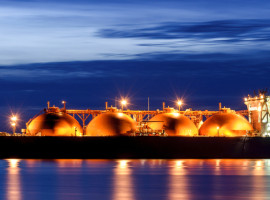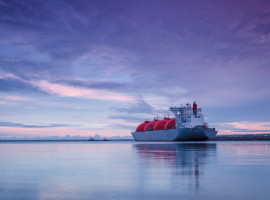
The war in the Middle East has diminished the negotiating power that key regional LNG exporters Qatar and the United Arab Emirates (UAE) have enjoyed for years.
Importers of LNG from Europe to Asia plan to negotiate better terms in future long-term deals and ask for lower prices and higher contract flexibility, industry executives at LNG importing companies have told Reuters.
For years, Qatar and the UAE commanded significant negotiating power, tied to their reliability as LNG suppliers.
The Iran war has reduced the reliability of these LNG exporters as their cargoes have struggled to move through the Strait of Hormuz and some of their LNG capacity expansion plans have been stalled or delayed by direct Iranian missile hits on infrastructure.
The Middle East is no longer seen as the supplier it was before the conflict began in February. Even China, the world’s top LNG importer, is reportedly in talks to secure long-term LNG supplies from exporters that don’t need the Strait of Hormuz, as the world’s biggest LNG buyer seeks to reduce its exposure to gas deliveries from the Persian Gulf.
European LNG buyers believe they have the negotiating power now, and importers would seek lower prices and increased flexibility amid surging insurance and freight costs to ship gas out of the war-risk region.
“Anyone entering into new contracts in the Gulf region will also have to take into account potential insurance costs, which are set to increase,” Nicola Monti, chief executive of Italy’s utility and LNG buyer, Edison, has told Reuters.
Edison has been one of the LNG buyers affected by the force majeure issued by QatarEnergy in the early weeks of the Iran war.
The higher regional risk of Middle East’s LNG supply has emboldened buyers to sign deals at lower Brent-linked prices.
Qatar and the UAE’s long-term LNG contracts were priced at 12.6%-12.7% of the Brent crude price before the war. Some of the deals signed after February had the price lowered to 12.3%, an industry source told Reuters.
By Michael Kern for Oilprice.com
More Top Reads From Oilprice.com
- TotalEnergies Profit Soars 68% as Oil Price Surge Lifts Earnings
- Chinese Tankers Push Through Bab el-Mandeb Despite Houthi Blockade Threats
- U.S. Refinery Utilization Hits 96.2% as Fuel Markets Tighten Worldwide