Abu Dhabi Future Energy Company PJSC (Masdar) and Spanish energy company Endesa have started construction of three battery energy storage projects in Spain, marking the first storage developments under their strategic partnership. The projects represent a combined investment of €25.2 million and will add 60.16 megawatts (MW) of battery power capacity and 120.34 megawatt-hours (MWh) of energy storage capacity to existing solar power plants in Extremadura and Andalusia. All three projects are expected to become operational by the end of 2027.
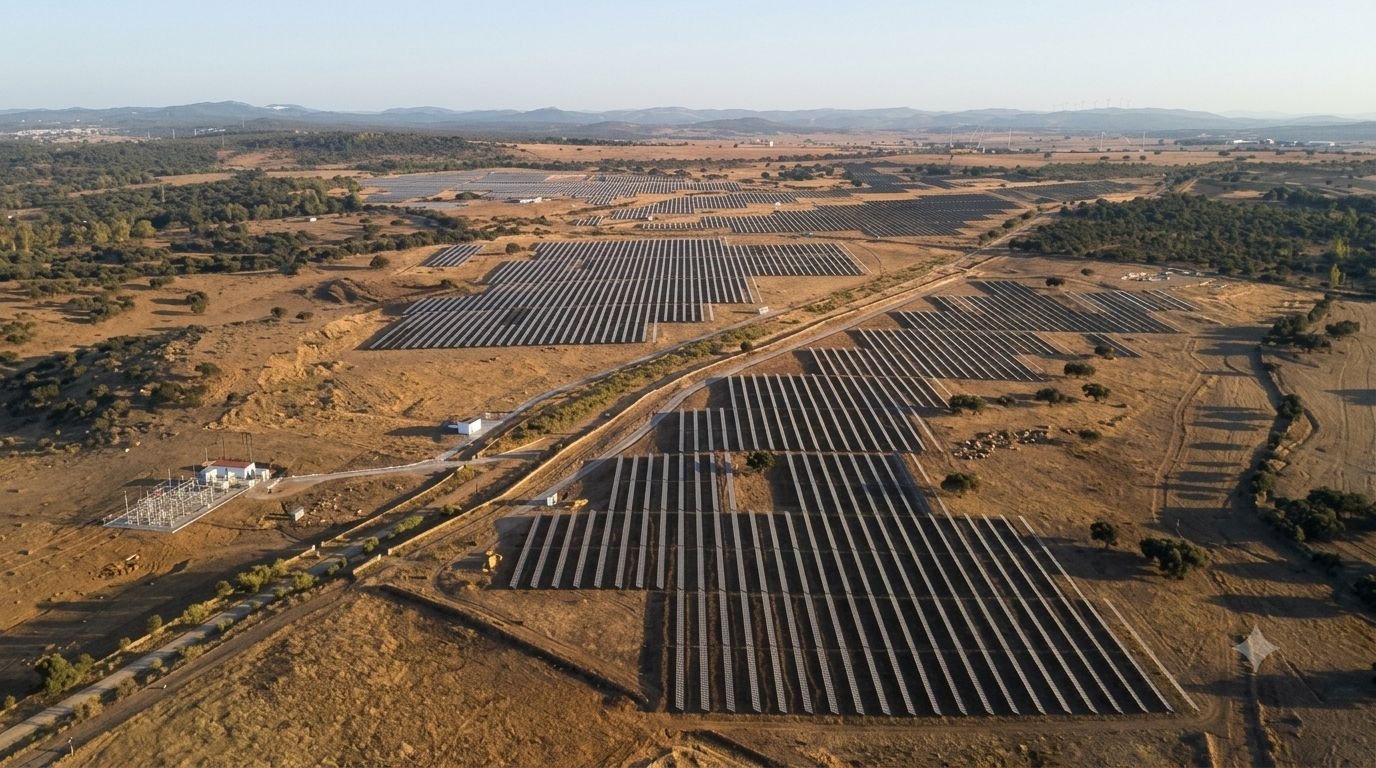
The three battery energy storage systems (BESS) will be developed at the Ardila, La Vega I and La Vega II solar facilities. The Ardila project will be located alongside existing solar plants with a combined capacity of 44 MWp in Fregenal de la Sierra, Badajoz. The La Vega I and La Vega II projects will be installed at two solar plants in Teba, Málaga.
The battery systems will store electricity generated by the associated solar plants and release it when required. This approach will help improve the integration of renewable energy into Spain’s electricity grid, increase system flexibility and support a more reliable power supply. By combining battery storage with existing solar installations, the projects will also help improve the utilisation of renewable electricity.
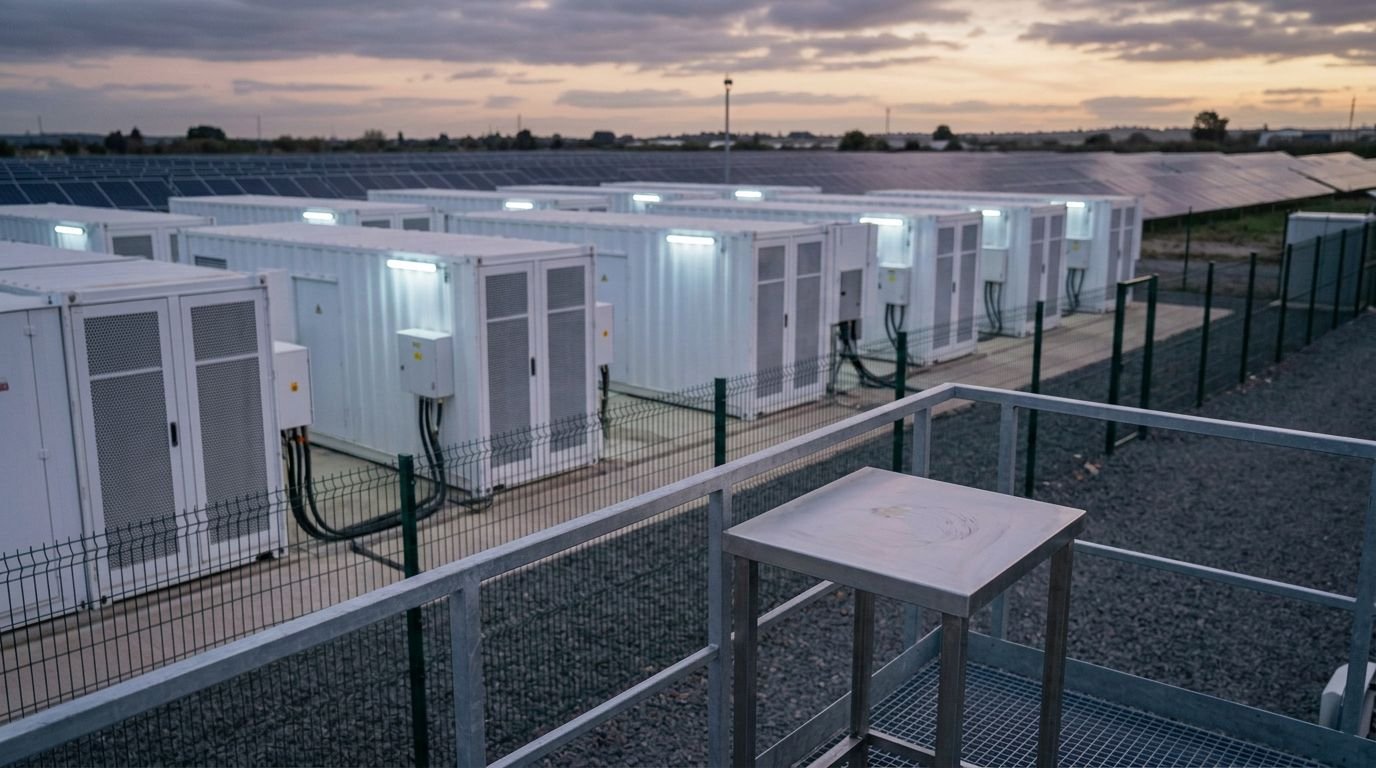
The Ardila project will have a battery storage capacity of 36.10 MW and 72.20 MWh. It will use 12 battery containers and will provide enough stored electricity to meet the estimated daily consumption of approximately 8,100 Spanish households. La Vega I and La Vega II will each have 12.03 MW of power capacity and 24.07 MWh of storage capacity. Each site will use four battery containers, with their combined storage equivalent to the estimated daily electricity consumption of around 5,400 households.
All three projects will use lithium iron phosphate (LFP) battery technology combined with grid-forming inverters. These systems are designed to provide synthetic inertia, allowing battery installations to replicate certain stability-supporting characteristics of conventional thermal and hydropower generating units. The technology can respond almost instantly to sudden changes in grid conditions, helping maintain electricity system stability as renewable energy generation increases.
The projects are the first battery storage developments resulting from the partnership established between Masdar and Endesa in 2024, when Masdar acquired a stake in a portfolio of Endesa’s photovoltaic assets in Spain.
According to Masdar, the construction of the three facilities is expected to create approximately 50 jobs. The companies also plan to prioritise European-origin components and services, including inverters, auxiliary systems, communications equipment and system integration. These commitments are expected to support the development of the regional energy storage supply chain.
At the Ardila site, Masdar and Endesa will also work with the Fregenal de la Sierra Town Council to identify local development initiatives. A portion of the project budget will be allocated to training activities to support the local community.
Research and technical validation will form another part of the development. The companies will collaborate with CIRCE and the Institute for Research in Technology (IIT) at Comillas Pontifical University. The work will include on-site testing and technical studies to evaluate the performance of grid-forming battery systems.
Masdar currently has 4.1 GW of operational renewable energy capacity across the Iberian Peninsula, with approximately 1 GW under development. The latest projects support its strategy of expanding renewable energy and storage investments through partnerships with established energy companies. Masdar has set a global target of reaching 100 GW of clean energy capacity by 2030.
Subscribe to get the latest posts sent to your email.