(WO) — The United States and Iran exchanged a new wave of military strikes over the weekend, escalating tensions across the Middle East and reinforcing concerns over oil supplies, commercial shipping and energy infrastructure in the Persian Gulf.
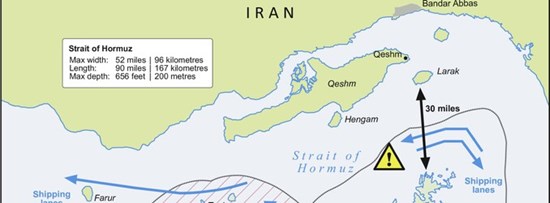
The latest escalation follows an Iranian strike in Jordan that killed two U.S. service members and wounded four others. In response, U.S. forces launched strikes on targets including Qeshm Island in the Persian Gulf and locations in southern Iran, according to Iranian media.
The conflict has increasingly expanded beyond military targets. Over the weekend, Iran targeted power and water desalination facilities in Kuwait for a third consecutive day, while Kuwaiti authorities also reported damage at an oil facility that prompted an evacuation and left several workers injured. Bahrain said it intercepted a wave of Iranian aerial attacks, and Jordan reported intercepting missiles after security concerns prompted a temporary evacuation at the Red Sea port city of Aqaba.
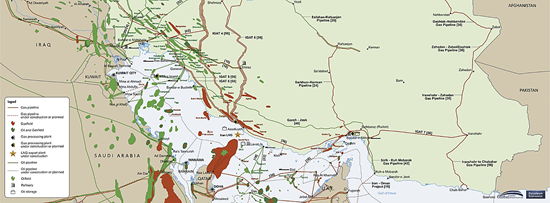
The renewed violence has heightened concerns over the Strait of Hormuz, the world’s most critical oil transit chokepoint. Iran’s Islamic Revolutionary Guard Corps Navy said it stopped four vessels attempting to transit the waterway without authorization and warned that exports of oil, natural gas and petrochemicals would not pass through the strait without Iranian coordination.
The deteriorating security situation has continued to support crude prices. Brent crude climbed to nearly $88/bbl Friday, marking its largest weekly gain since April, as markets weighed the growing risk of prolonged supply disruptions and attacks on regional energy infrastructure.
“The oil market is again tightening, which is likely to keep oil prices supported,” Giovanni Staunovo, a commodity analyst at UBS, said. “Repeated strikes on vessels crossing the Strait of Hormuz have resulted in a drop in tankers exiting the Gulf, and energy infrastructure attacks are something which is likely to keep oil market participants concerned.”
U.S. Central Command said recent strikes were intended to reduce Iran’s ability to threaten commercial shipping and target Islamic Revolutionary Guard Corps forces linked to the attack in Jordan. Meanwhile, Tehran said it would no longer adhere to the terms of the interim ceasefire reached last month and warned of further retaliation following renewed U.S. military action and tighter sanctions on Iranian oil exports.
Regional governments have also voiced concern over the widening conflict. Saudi Arabia, the United Arab Emirates and Qatar condemned attacks on civilian infrastructure, including energy facilities, while Saudi authorities issued precautionary warnings around key energy hubs before later declaring the immediate threat had passed.
Although the current exchange of strikes remains below the intensity seen during the peak of fighting earlier this year, continued attacks on shipping, oil facilities and critical infrastructure have heightened uncertainty for global energy markets. With tensions showing little sign of easing, market participants remain focused on the potential for further disruptions to Gulf crude exports and commercial traffic through the Strait of Hormuz.