India surpassed a significant milestone in its renewable energy voyage recently. As of October 2024, the nation has installed more than of renewable capacity. This breakthrough is not merely a number but a signal of the country’s remarkable growth as a global leader in non-fossil fuel energy – accounting for nearly half of the nation’s total power energy. However, this increase in renewable capacity introduces a new obstacle: reliability.
While solar and wind have grown rapidly as individual sources, their intermittency means they alone can’t meet the country’s round-the-clock energy needs. These sources often fall short during peak consumption hours (i.e.), 6-10 am and 6-10 pm. Solar peaks in the afternoon, wind surges in the early morning and evening, but India’s power demand spikes from evening into late night. The game-changer? Hybrid renewable energy systems — the next step forward in India’s clean energy transition which can help mitigate the “duck curve” effect on the grid.
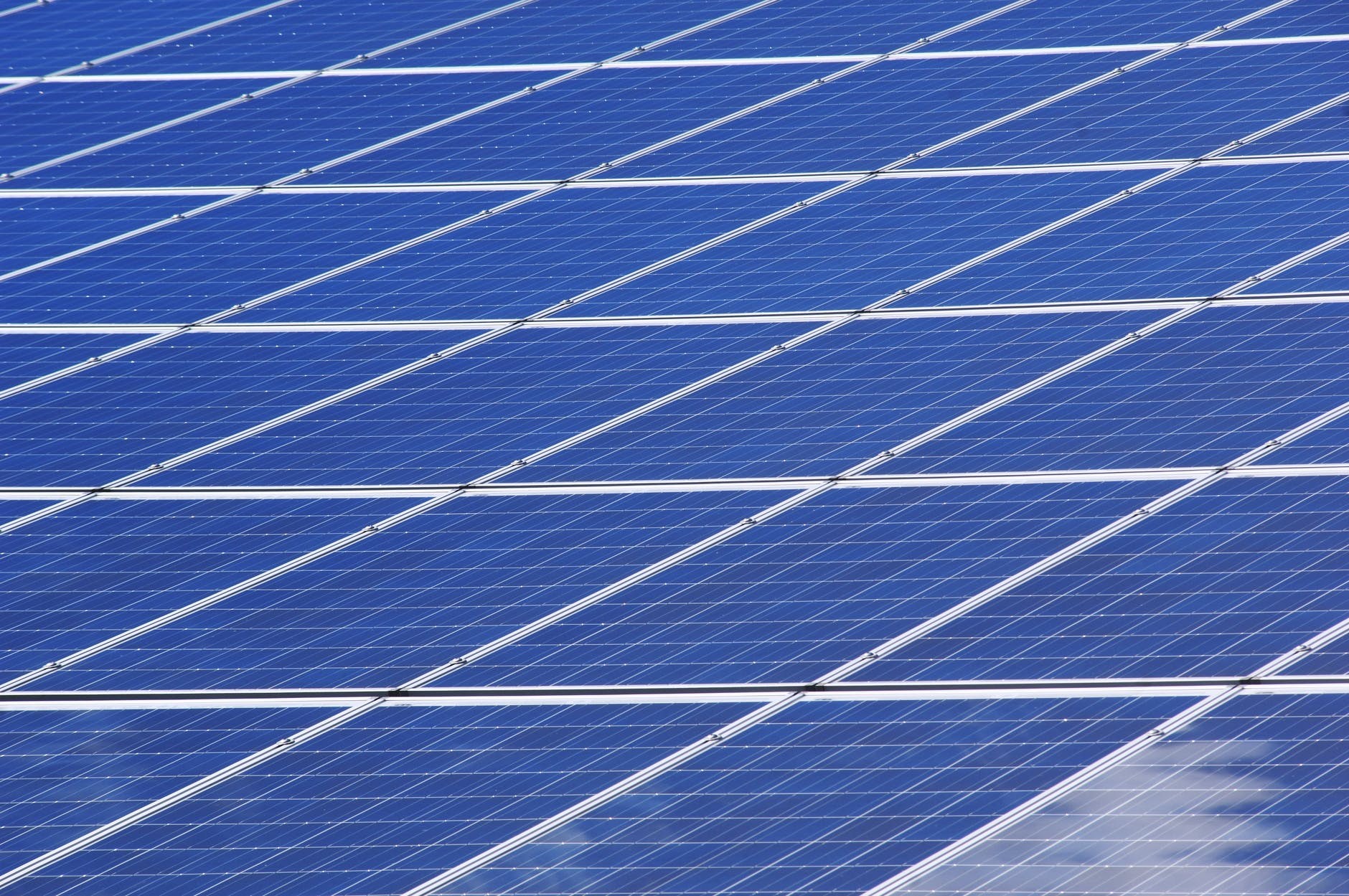
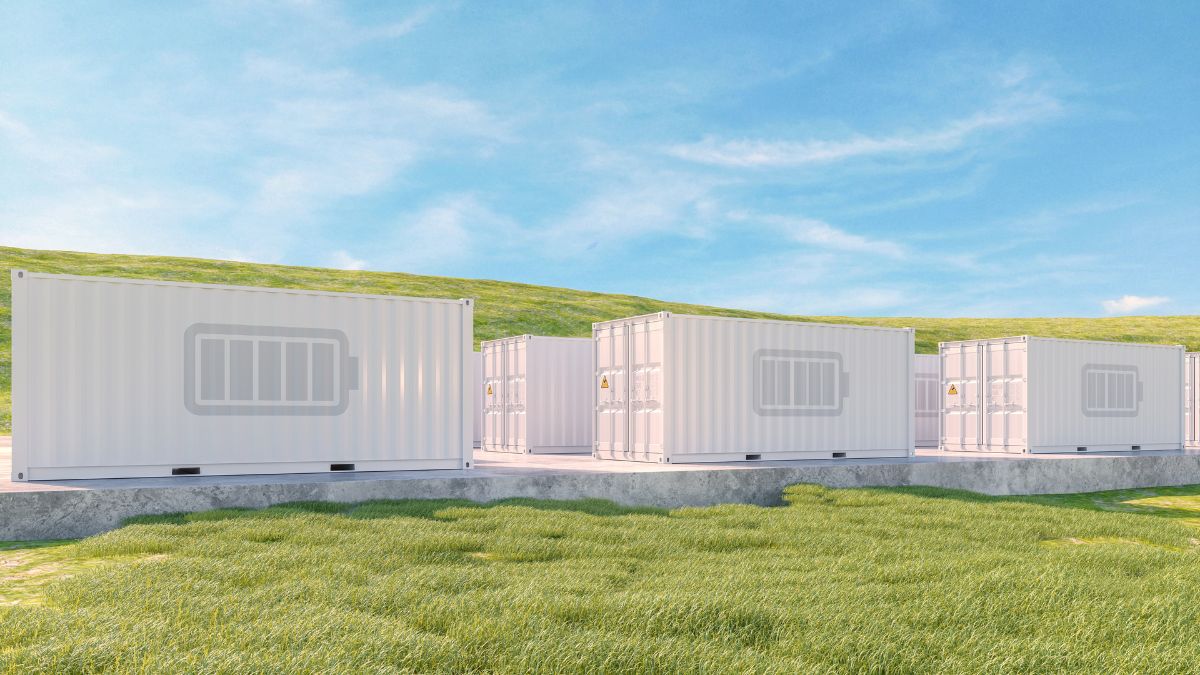
Hybrid energy systems are the future, especially when solar and wind are combined in these energy systems with a small percentage of storage systems. They may also include pumped hydro storage to meet supply gaps. By leveraging the strengths of each, hybrid solutions ensure a more reliable and continuous flow of power. Such integrations are vital for building a resilient energy infrastructure as India moves away from fossil fuels. These systems address both the variability of renewables and the limitations/uncertainty of the grid without fossil fuels.
Why Hybrid Solutions Matter
Reliable energy solutions are essential not only for environmental reasons but also for economic and infrastructural needs. Industrial clusters, data centers, metro networks, and rural electrification all require consistent, high-quality power, as fluctuations can cause costly losses and safety risks. With coal facing environmental pressure, hybrid projects have become a strategic solution. They reduce carbon footprints and enhance grid resilience by combining renewable and stable power sources, ensuring uninterrupted, green energy without compromising grid stability.
Hybrid systems help save space and make better use of transmission lines, which is important in crowded countries like India. Combining wind and solar farms with storage boosts power production. These projects also use existing power lines more efficiently, lowering costs for running and building the system over time.
The Promising Role of Government Policies
India has acknowledged the potential of hybrid projects and initiated policies to support their growth. The National Wind-Solar Hybrid Policy introduced by MNRE is considered a crucial development, fostering co-location and defining hybrid standards. Additionally, SECI’s recent tenders emphasize hybrid and round-the-clock power supply, with numerous winning proposals combining solar, wind, and storage technologies.
Recent amendments to the Electricity (Rights of Consumers) Rules are encouraging DISCOMs to prioritize more reliable power procurement. This shift is prompting developers to offer stable hybrid solutions instead of single-source bids, signaling a clear move toward grid stability and long-term planning.
Developers are Ready — and So is the Market
Several leading Indian power producers are actively tapping into the hybrid opportunity. In recent years, many have launched large-scale RTC and hybrid projects, often with integrated storage from the outset. Competitive tariffs discovered in recent SECI (Solar Energy Corporation of India) auctions further demonstrate that hybrid energy is not only technically sound but also commercially viable.
Simultaneously, investor confidence in hybrid models is growing. Green bonds, sovereign guarantees, and blended finance frameworks are helping mitigate perceived risk, especially for first-of-its-kind storage-linked projects.
On another front, wind-hydro hybrid systems integrate the dependability of hydroelectric systems with wind power generation. As a result, a resilient as well as adaptable energy solution is built. These setups help balance fluctuations in wind generation by leveraging hydropower when needed.
With the expansion of hybrid parks and transmission networks, economies of scale are poised to reduce tariffs, making it more attractive for developers to offer bundled generation and flexibility solutions.
Overall, the promise of hybrid renewable energy systems is not just in their configuration — it’s in their ability to rewrite the rules of reliability. They present a way for India to move from quantity to quality in its clean energy push. Also, they are not just building more megawatts but building smarter, more resilient power ecosystems. As the country aims to reach 500 GW of non-fossil energy by 2030, hybrid systems are emerging as essential players. They aren’t replacements for wind or solar — they are the next logical step, bringing both together for a more resilient grid. In the future, India’s power supply won’t depend on one energy source. Instead, it will be a balanced mix, intelligently managed, always ready — just what an energy-hungry nation needs.
By Dr. S. Basant, Managing Director, Kshema Power