The ongoing crisis in the Middle East has served as an education for many, especially when it comes to how global supply chains work. In fact, it is difficult to name a sector or industry which has remained untouched by the crisis, prompting a wider recalibration which may be long overdue.
The electronics sector is no exception. The crisis has exposed the fragility of an industry heavily reliant on helium supplies from the Middle East. This has brought to light the risks of concentrated production and the potential consequences of disruption to a critical raw material.
Earlier this year, removed roughly 30% to 35% of the world’s total helium supply, while damage to specific production trains cut Qatari helium output by about 14%.
Semiconductor fabrication accounts for around one quarter of global helium consumption, with few viable alternatives to the gas in many applications. As a result of this extreme scarcity, global helium spot prices have tripled compared with pre-war levels, while long-term corporate contracts have increased by 40% to 60%.
The concerns prompted helium expert Rich Brook to speculate on what could happen if the conflict were to escalate and further damage occurred.
“It would be virtually impossible to replace a third of the world’s supply and it would be a real disaster for the industry,” he said during a gasworld .
Speaking at gasworld’s Specialty Gas Summit , helium consultant Phil Kornbluth warned that geopolitical tensions and logistical challenges could leave the helium market vulnerable to further disruption, even amid a period of plentiful supply.
These concerns were also highlighted in gasworld’s report, published in March 2025, which identified shifting supply sources, trade and logistics disruptions, and recurring production interruptions as three key factors that could trigger another shortage.

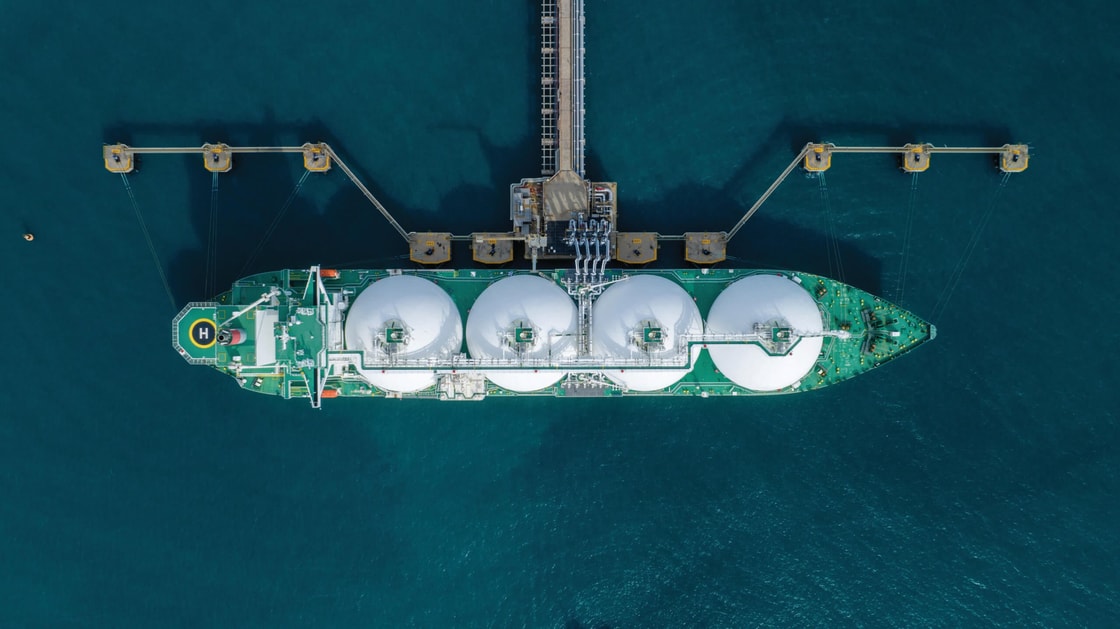
The ongoing conflict in the Middle East has seen the closure of the Strait of Hormuz and continues to impact global supply chains © Shutterstock.com
The report also pointed to rising demand from the semiconductor sector, underlining the importance of ensuring supply can keep pace with consumption while reducing the market’s exposure to future shocks.
Given the scale of the disruption, there is a clear need for a wider industry discussion on how helium supply chains can become more resilient, how production can be diversified and what measures can be taken to mitigate the impact of future disruptions.
These are questions that extend across the industrial gas sector, from producers and distributors to the end-users whose operations depend on a reliable supply.
Recalibrating after the Middle East crisis
The need to address these challenges will be a central focus of gasworld’s Helium Super Summit 2026, taking place in Houston 19 to 21 October.
Bringing together producers, distributors, end-users and technology providers, the event will examine the impact of the Middle East crisis on helium supply, alongside the outlook for demand, new production projects and technologies that could help strengthen supply resilience.
Among the key speakers will be Kevin Lynch, VP Global Helium at Messer, Rich Brook of Garrison Ventures and Phil Kornbluth, founder and president of Kornbluth Helium Consulting, who will examine the impact of the Middle East crisis and the outlook for global helium supply and demand.
Other sessions will explore semiconductor demand, helium recovery and developments in China, with contributions from representatives of Linx Consulting, Evonik and G-Gas.
The summit will also feature updates on new production projects and emerging technologies, with speakers from Linde, Pulsar Helium, Blue Star Helium and other industry players.
Over the coming days, keep track of gasworld for exclusive coverage from Houston, including the key talking points, industry insights and developments emerging from the summit, as well as the latest updates on the global helium market. The full agenda is available to view .