Rajasthan Urja Vikas & IT Services Limited (RUVITL) has filed a petition seeking approval from the Rajasthan Electricity Regulatory Commission for the procurement of 3,200 MW of power through a competitive bidding process. This initiative includes the development of 3,200 MW of thermal power capacity and the future addition of 8,000 MW of solar power capacity. The combined effort aims to address the state’s rising electricity demand while supporting renewable energy goals.
RUVITL has proposed to set up 3,200 MW (4 x 800 MW) of coal-based thermal power plants on a Design, Build, Finance, Own, and Operate (DBFOO) basis. This decision follows an energy deficit forecast for Rajasthan that indicates a shortfall in firm round-the-clock (RTC) power. The proposal includes coal allocation under the SHAKTI scheme by the Ministry of Coal. Along with thermal power, RUVITL had earlier planned to bundle this with 8,000 MW of solar power, which would help Rajasthan meet its Renewable Purchase Obligations (RPO).
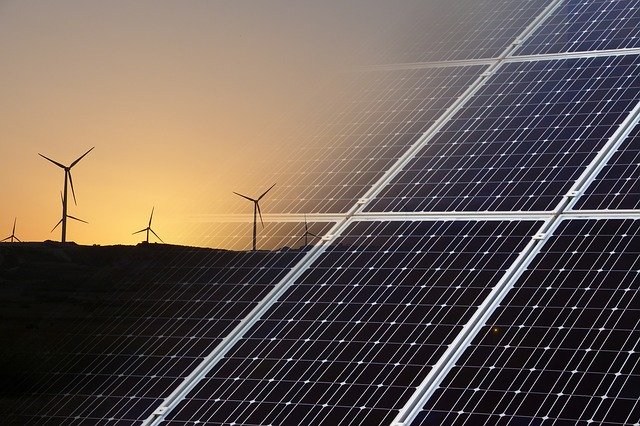
The focus on solar energy remains an essential part of Rajasthan’s power strategy. The Resource Adequacy Plan prepared by the Central Electricity Authority (CEA) indicates that Rajasthan needs to add 19,322 MW of solar power capacity by 2029-30. This highlights the importance of increasing solar energy generation to meet future energy requirements and to maintain a balanced power mix that reduces reliance on conventional energy sources.
The state government has been promoting solar energy through various initiatives, including decentralized solar systems. Under schemes like KUSUM, solar power is being made available to farmers and rural communities. These efforts are expected to improve energy access in rural areas and enhance the livelihood of small-scale consumers. However, integrating such large-scale solar projects into the state’s grid requires significant transmission infrastructure, which involves complex planning, large investments, and time-consuming development.
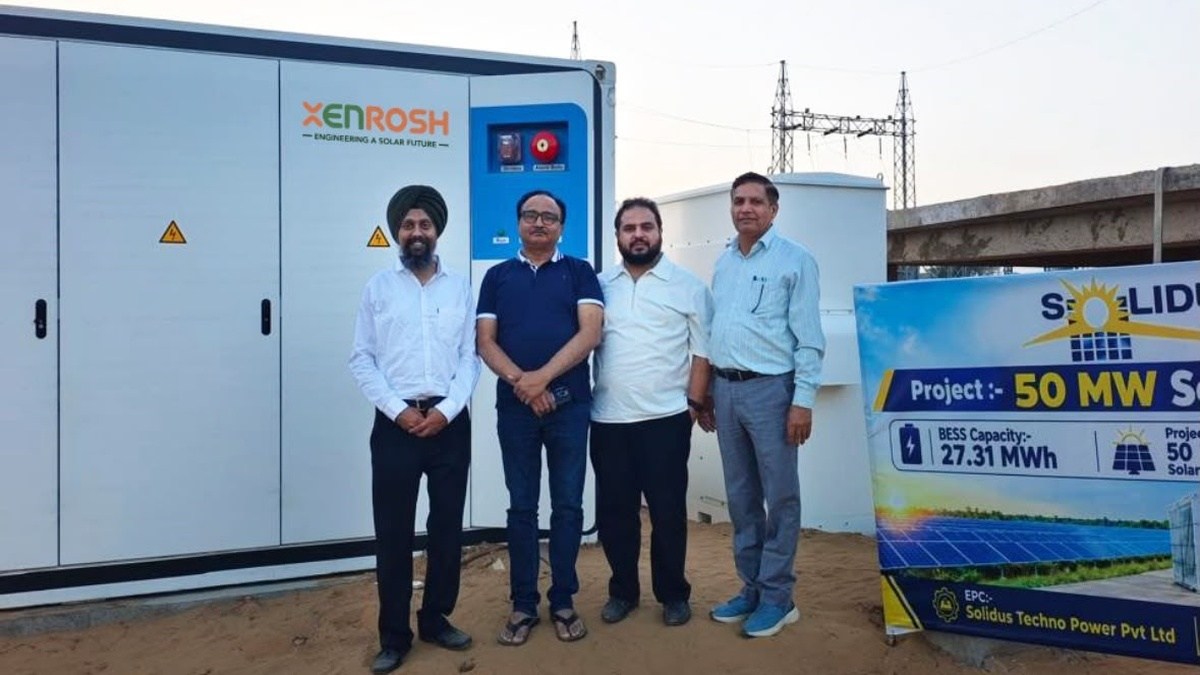
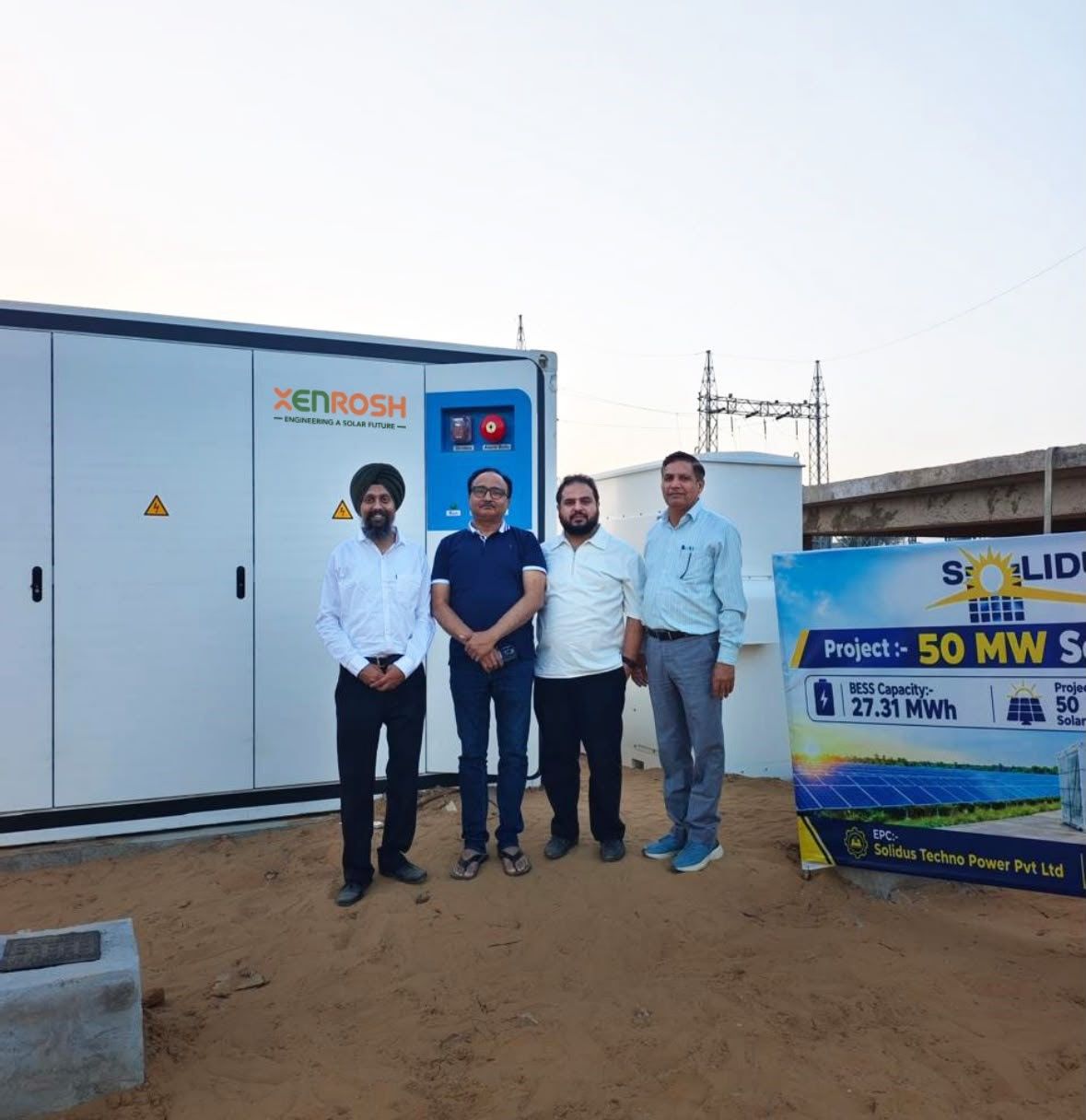
Given these challenges, the state government decided to prioritize decentralized solar solutions and energy storage systems. These initiatives aim to balance renewable energy’s intermittent nature and ensure a stable energy supply. Energy storage systems are critical in this scenario, as they store excess solar power and release it when solar generation is low, thus maintaining grid stability.
RUVITL had initially planned to bundle solar and thermal power in a single tender. However, due to the complexities involved, including feedback from potential bidders, the company decided to cancel the current tender for 8,000 MW of solar power. Instead, it is focusing on an exclusive tender for 3,200 MW of thermal power while reviewing its solar procurement strategy.
Despite this change in approach, solar energy remains a key priority for Rajasthan. The government continues to explore opportunities to increase solar capacity through separate tenders and decentralized systems. The emphasis on solar energy is also reflected in the state budget, which highlights renewable energy and storage projects as focus areas.
The petition submitted by RUVITL demonstrates Rajasthan’s long-term commitment to expanding solar power capacity while ensuring energy security through a balanced mix of renewable and conventional energy sources. The shift towards decentralized solar systems, combined with the development of energy storage solutions, reflects a strategic approach to building a resilient and sustainable energy future for the state.