Malaysia’s growing data centre industry could benefit from round‑the‑clock renewable energy solutions, according to the International Renewable Energy Agency (IRENA). These data centres require a constant and reliable supply of electricity, and IRENA says clean energy can meet this need while also reducing costs.
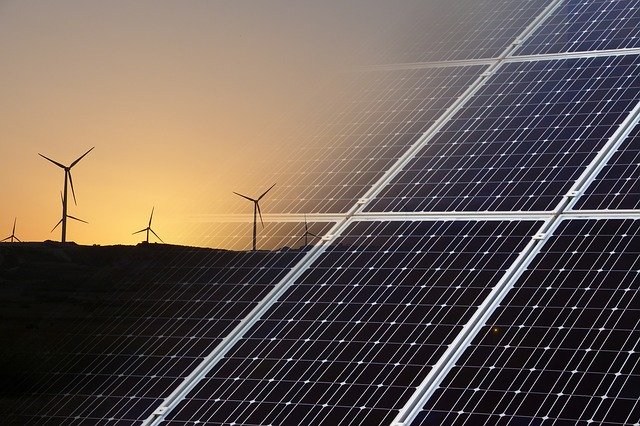
Dr Ibraheem Almansouri, IRENA’s director of engineering, spoke about the potential of continuous renewable energy at the IRENA Assembly during the Abu Dhabi Sustainability Week 2026. He explained that round‑the‑clock renewable energy, or RTC, ensures electricity is available throughout the day and night by combining solar and wind power with energy storage systems and smart grid management. These systems provide electricity even when the sun is not shining or the wind is not blowing, offering a dependable source of clean energy.
Dr Ibraheem highlighted Malaysia as an important market for renewable energy projects. He noted that electricity demand in the country is rising as the economy grows, industries expand, and technology use increases. Data centres, which cannot tolerate power interruptions, require reliable energy to operate efficiently. RTC renewable energy could make it possible to build these centres in more flexible locations while using clean energy without risking disruptions.
Although Malaysia has not yet announced a dedicated RTC renewable energy project, IRENA is actively involved in initiatives that require a steady supply of renewable power. The agency is partnering with private companies and expanding its presence in Malaysia through various agreements and collaborations.
The data centre industry in Malaysia is expected to become one of the largest in the Asia‑Pacific region. Estimates suggest the total capacity of these centres could more than quadruple after 2026, driven mainly by cloud computing and artificial intelligence services. These technologies need extensive data processing and storage, which increases electricity demand significantly.
Dr Ibraheem also mentioned that IRENA and its partners have signed power purchase agreements and memoranda of understanding in Malaysia. They are participating in competitive energy projects with local developers. One example is a project led by the Abu Dhabi Future Energy Company, known as Masdar. In December, Masdar announced its first project in Malaysia, which involves building a 200‑megawatt floating solar power plant at Chereh Dam in Pahang. This project, in collaboration with Malaysian companies, will supply power to the national utility, Tenaga Nasional Bhd, and is expected to be the largest floating solar plant in Southeast Asia.
According to Dr Ibraheem, the main challenge for adopting RTC renewable energy in Malaysia is not technology but the readiness of institutions like grid operators and planners. Successful implementation will require close cooperation and a shared vision among developers, policymakers, and other stakeholders.
IRENA concludes that continuous renewable energy could play a key role in powering Malaysia’s expanding data centre industry, but achieving this potential will depend on strong coordination and commitment from all parties involved.
Subscribe to get the latest posts sent to your email.