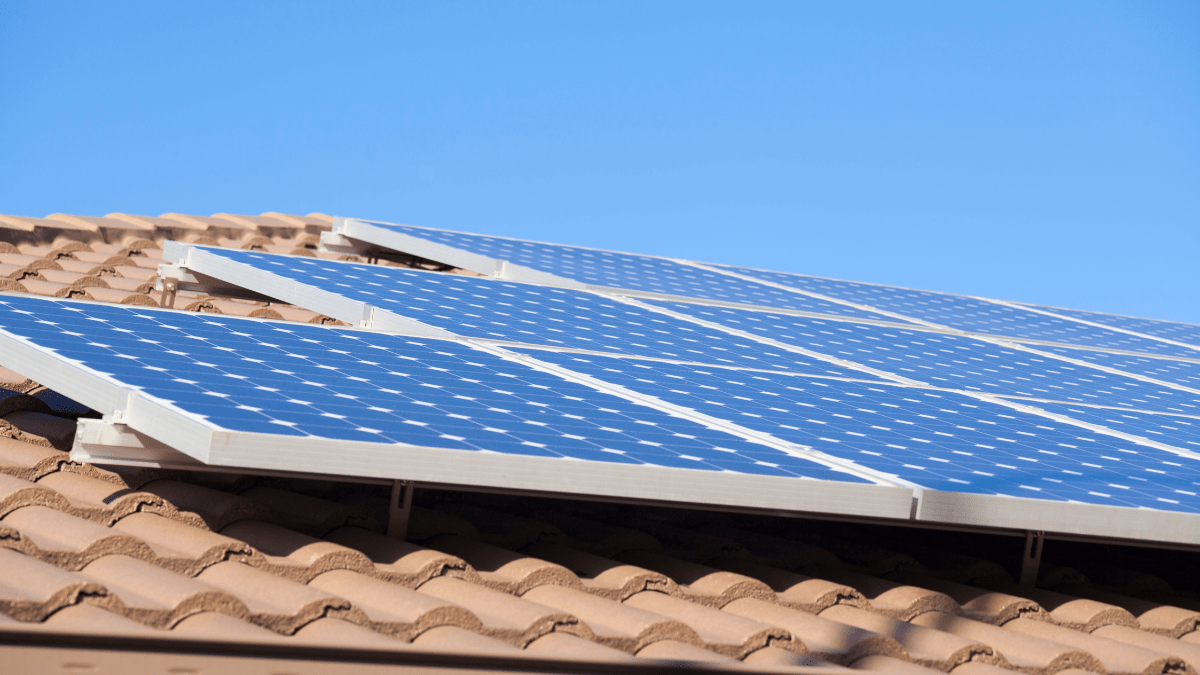
Singapore has decided not to introduce subsidies for residential solar panel installations, as the government believes that falling costs and improved technology have already made solar energy an attractive option for homeowners. The announcement was made by Minister of State for Trade and Industry Gan Siow Huang during a parliamentary session, where she explained that market conditions are now strong enough to support wider adoption without direct financial assistance from the government.
According to Ms. Gan, the cost of installing solar panels has reduced significantly over the years, while the efficiency of solar technology has improved considerably. These developments have encouraged more private property owners and homeowners to explore solar energy solutions. The government expects that the long-term savings on electricity bills will continue to motivate households to invest in solar systems even without subsidies.
During the discussion in Parliament, some Members of Parliament suggested that Singapore should consider offering incentives for residential solar panels, similar to the subsidies provided for electric vehicles (EVs). However, Ms. Gan pointed out that the two situations are different. She explained that EV subsidies are intended to encourage consumers to choose cleaner vehicles instead of conventional petrol or diesel cars they were already planning to purchase. In contrast, residential solar systems are often seen as an entirely new investment for homeowners.
The Minister also noted that cost is not the only concern for homeowners considering solar installations. Many residents are worried about practical and technical issues such as roof waterproofing, maintenance, and finding trustworthy contractors to carry out the installation work. These factors, she said, influence consumer decisions as much as financial considerations.
The government also clarified that it currently has no plans to make solar panel installations compulsory for all new buildings in Singapore. Officials explained that not every rooftop is suitable for solar energy generation. Some rooftops may be shaded by taller neighboring buildings, reducing the effectiveness of solar panels, while others may be more useful for urban greenery or other purposes.
In addition to solar energy, Parliament also discussed the possibility of tidal energy development in Singapore. Ms. Gan stated that there are no immediate plans to deploy tidal power projects because Singapore’s sea space is already heavily used for important activities such as shipping, ports, and anchorage operations. She added that studies indicate tidal energy would contribute less than 1% of the country’s total energy needs.
For now, the Singapore government plans to continue monitoring the pace of residential solar adoption and may consider further measures in the future if installation rates slow down.
Subscribe to get the latest posts sent to your email.