Small and medium enterprises in Sri Lanka are set to benefit from a renewable energy initiative supported by the Asian Development Bank (ADB), the Government of Sri Lanka, the European Union, and the Japan Fund for Joint Credit Mechanism. The pilot project aims to reduce electricity costs for small businesses by providing access to solar power without requiring them to install rooftop solar panels on their own premises.
Small and medium enterprises play a major role in Sri Lanka’s economy, supporting millions of jobs and contributing approximately half of the country’s economic activity. However, rising electricity prices, climate-related impacts, disruptions in global fuel supplies, and wider economic pressures have increased operating costs for many businesses. High electricity bills have placed additional financial pressure on entrepreneurs, affecting their ability to maintain operations and protect their incomes.
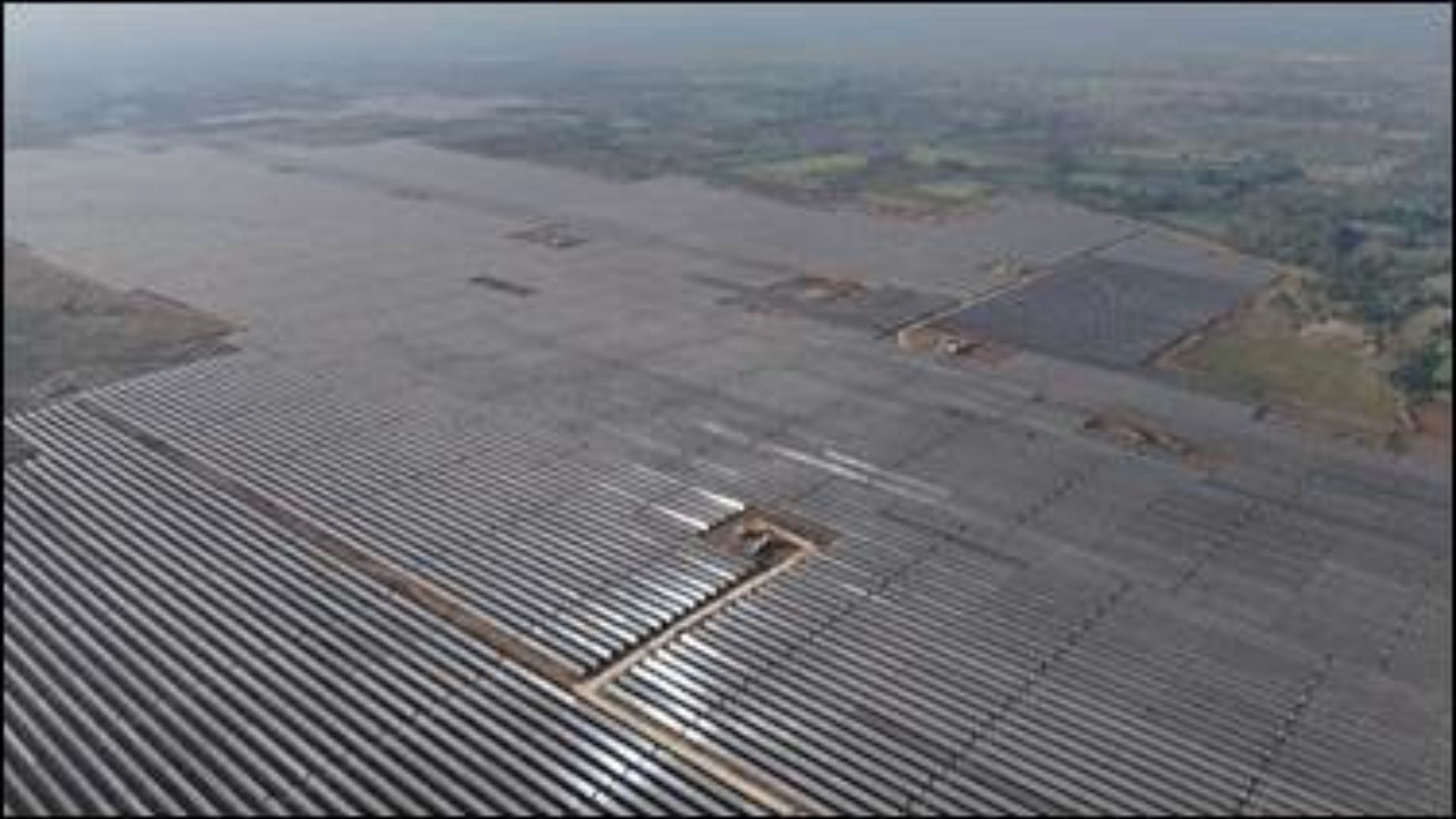
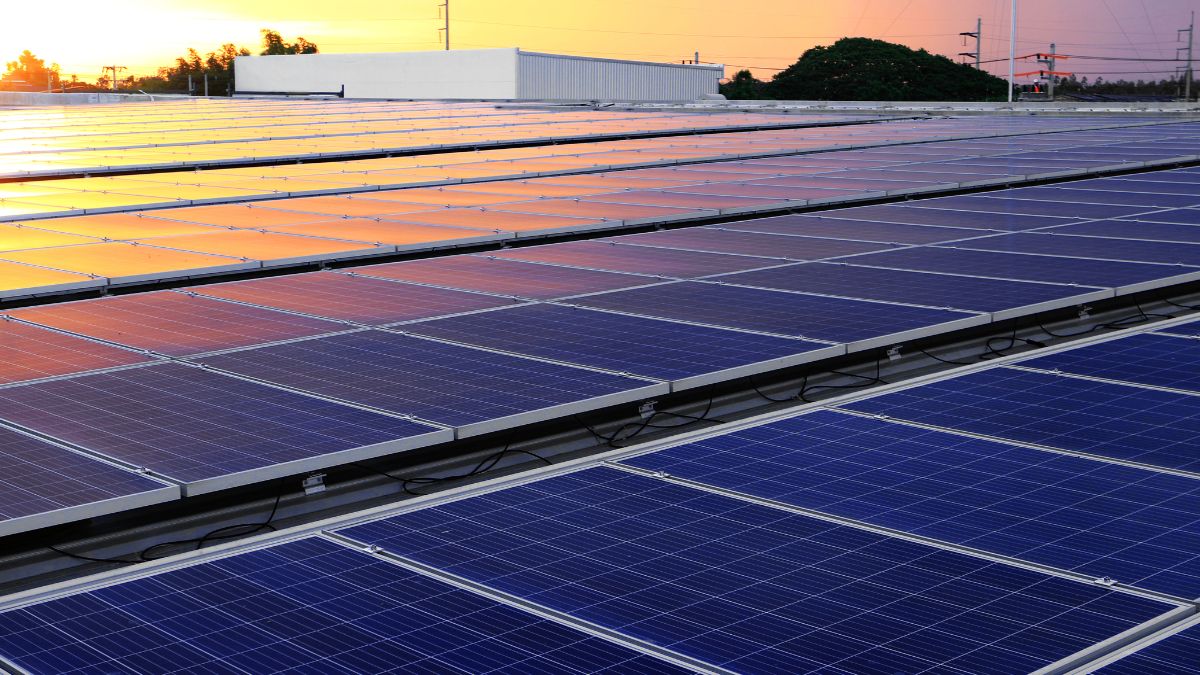
The new initiative seeks to address these challenges by allowing eligible businesses to benefit from renewable electricity through virtual net metering. Under the project, electricity distribution utilities will install solar photovoltaic panels on public buildings across the country. The electricity generated by these installations will be combined and supplied through a Social Compensation Electricity Pool.
Through this arrangement, eligible small businesses will receive monthly energy credits based on the programme’s framework. These credits will be applied to their electricity bills, helping reduce their overall energy expenses. The model is designed to expand access to solar power for businesses that may lack suitable rooftop space or the financial resources required to install and maintain their own solar systems.
During the first two years of the programme, priority will be given to women-led enterprises and vulnerable small businesses. This approach aims to ensure that groups facing greater financial challenges can access the benefits of affordable renewable energy.
In addition to providing electricity bill relief, the initiative will support improvements to Sri Lanka’s power distribution infrastructure. Planned activities include expanding battery energy storage capacity, establishing advanced distribution control centres, and upgrading smart electricity grids. These measures are intended to improve network visibility, strengthen power system management, and support the integration of renewable energy into the electricity network.
The project will also promote green skills development and employment opportunities, with particular attention to women and underrepresented groups. These efforts are expected to support workforce development while creating opportunities in the growing clean energy sector.
By combining solar power generation, virtual net metering, and grid modernisation, the initiative aims to make renewable energy more accessible to small businesses. The project is expected to help participating enterprises manage electricity costs while supporting Sri Lanka’s transition towards a cleaner, more resilient, and secure energy system.
Subscribe to get the latest posts sent to your email.