By
2 min ago 3 min read
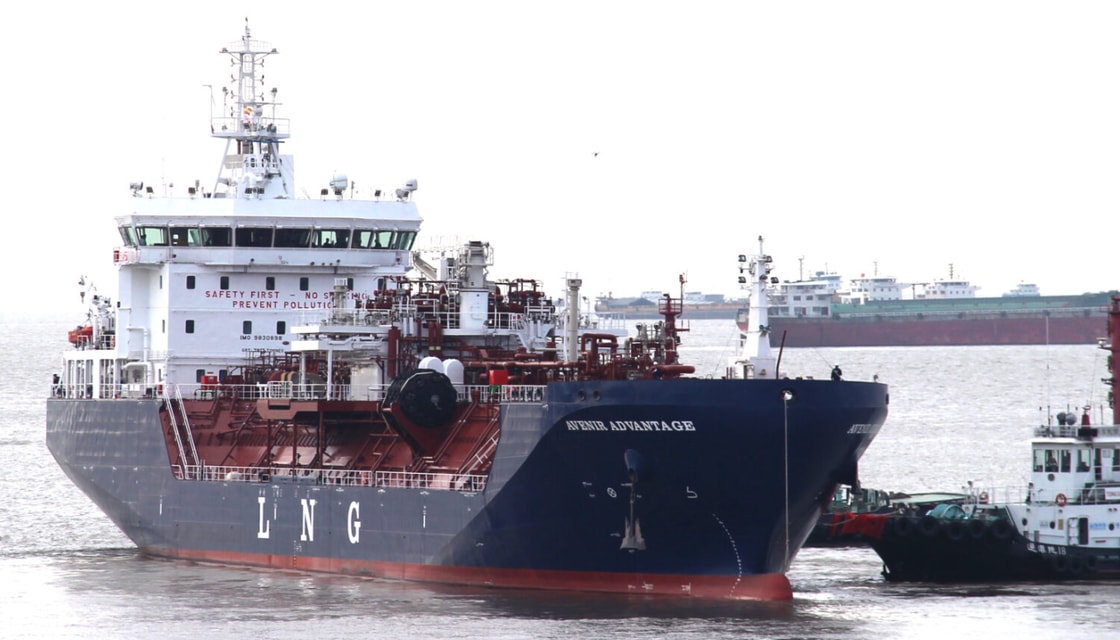
Germany-based construction engineering company TGE Marine has completed an engineering retrofit on a liquefied natural gas (LNG) bunkering vessel designed to improve the performance of its boil-off gas (BOG) compression system.
The project was carried out on Avenir Advantage, a 7,500-cbm LNG bunkering vessel operated by Avenir LNG in Southeast Asia.
According to TGE Marine, the vessel’s BOG compressors had experienced persistent operational issues during variable operating conditions, including elevated discharge temperatures, reduced efficiency and increased mechanical wear.
Unlike steady-state industrial applications, LNG bunkering vessels frequently operate under changing tank pressures and fluctuating demand, placing greater strain on fuel gas systems. TGE Marine said these conditions can push compressors outside their optimum operating range, reducing efficiency and increasing thermal loading over time.
“Despite multiple interventions over time by the manufacturer and shipyard, the root cause of the issues had not been fully resolved, and a more holistic engineering solution was required,” said Craig MacDonald, Assistant Asset Manager at Avenir LNG.
Following an engineering assessment that included analysis of compressor operating data, onboard observations and a review of system control logic, TGE Marine identified excessive temperature rise caused by insufficient intermediate cooling and unfavourable compression ratios during low-pressure operation.
The company developed a retrofit centred on the introduction of intercooling between compression stages, alongside wider process optimisation intended to reduce compressor discharge temperatures, improve compression efficiency and lower mechanical stress on critical components.
The design was engineered for installation on an operational vessel, with attention given to space constraints, piping integration and minimising downtime during the retrofit.
Hans-Christian Haarmann-Kühn of TGE Marine said the engineering approach focused on improving the thermodynamic efficiency of the compression process.
“From a thermodynamic standpoint, intercooling reduces the specific work of compression by approximating an isothermal process rather than an adiabatic one,” he said.
According to TGE Marine, post-retrofit testing demonstrated lower discharge temperatures across operating modes, more stable temperature profiles between compression stages and improved compressor efficiency, particularly during low-pressure operation.
The company added that the improvements are expected to reduce maintenance requirements, lower wear on compressor components and improve overall system reliability.
The project reflects a broader focus across the LNG marine sector on improving the performance of existing fuel gas systems through targeted engineering upgrades rather than wholesale equipment replacement.