Thursday, 30 January 2025
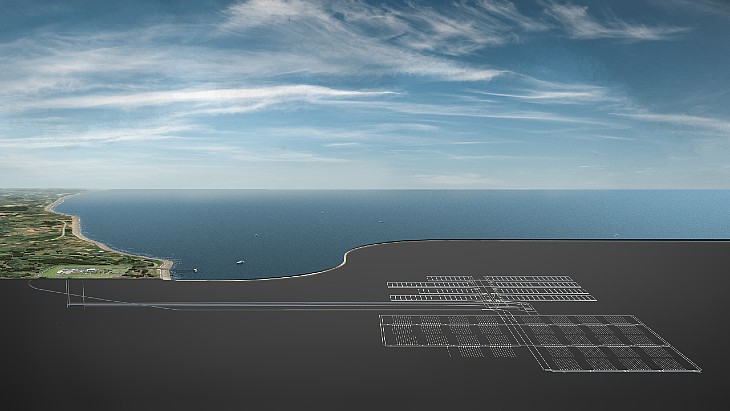
The three communities currently taking part in the Geological Disposal Facility (GDF) site selection process are Mid Copeland and South Copeland in Cumbria, in northwest England, and East Lincolnshire.
Identification of Areas of Focus within those three locations allows more in-depth studies and investigations to take place in specific sites which have been identified using a range of information such as geological data, areas of environmental protection and the location of built-up areas.
A GDF comprises a network of highly-engineered underground vaults and tunnels built to permanently dispose of higher activity radioactive waste so that no harmful levels of radiation ever reach the surface environment. Countries such as Finland, Sweden, France, Canada and the USA are also pursuing this option. Finding the right site to build the GDF – which could be between 200 to 1000 metres underground or under the seabed – could take 10-15 years. It is designed to keep the material safe for many thousands of years and be able to withstand earthquakes and ice ages. The current projected timeline is for a GDF to be ready to begin receiving intermediate-level waste between 2050 and 2060.
The three key elements needed for a location are the right sub-surface geological environment deep underground, a suitable surface location, and the ability to connect the two areas with accessways.
Nuclear Waste Services CEO Corhyn Parr said they were aiming to deliver “a GDF as the safe, secure, and long-term solution for the most hazardous radioactive waste. We are making real progress and establishing these Areas of Focus will help direct our investigations to help us determine the potential suitability of a specific area, with on-the-ground surveys, further desk studies and engagement with landowners.
“A GDF requires a suitable site and willing community and will only be developed when both are in place. We will continue our engagement with local people and stakeholders, and will be holding events in local communities to talk about what this means for each area.”
The Areas of Focus identified are:
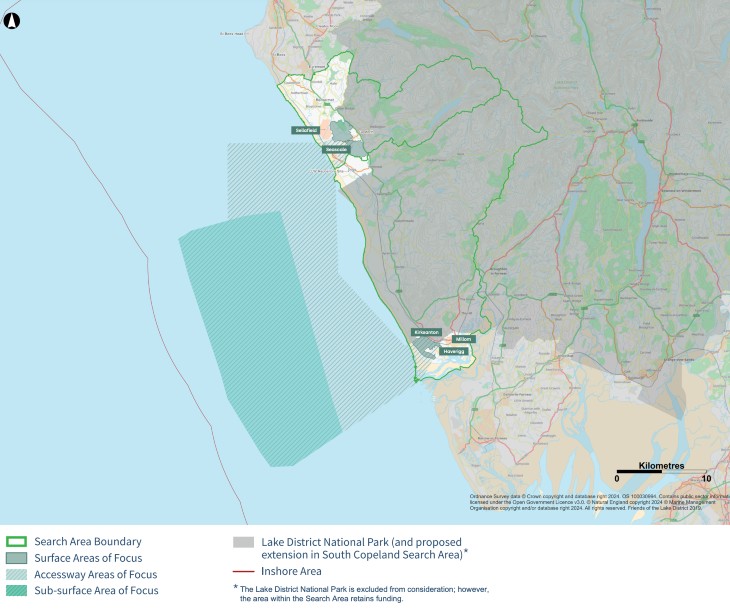
In Mid Copeland – land east of Sellafield and land east of Seascale: (all images courtesy of Nuclear Waste Services)
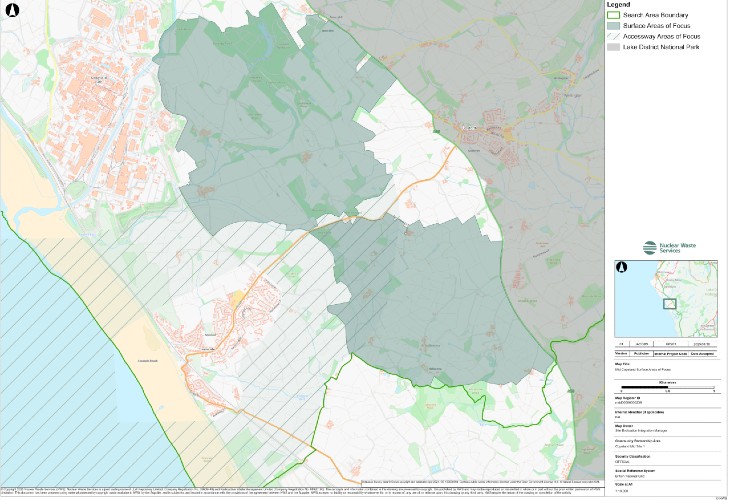
In South Copeland – Land West of Haverigg
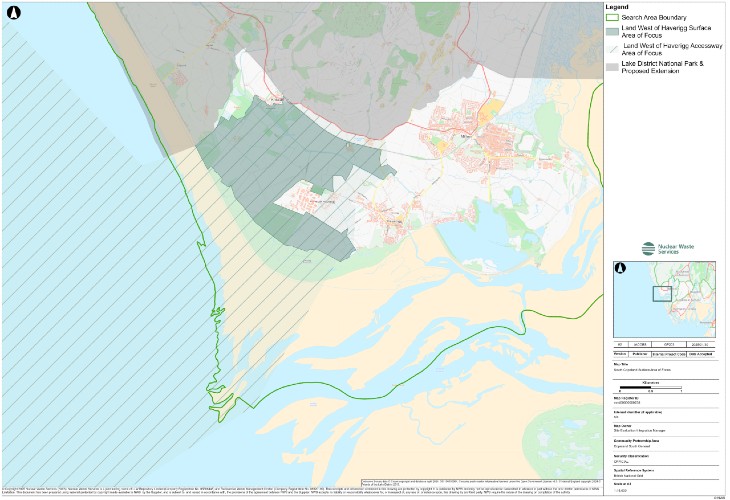
The Area of Focus off the coast is the same for both:
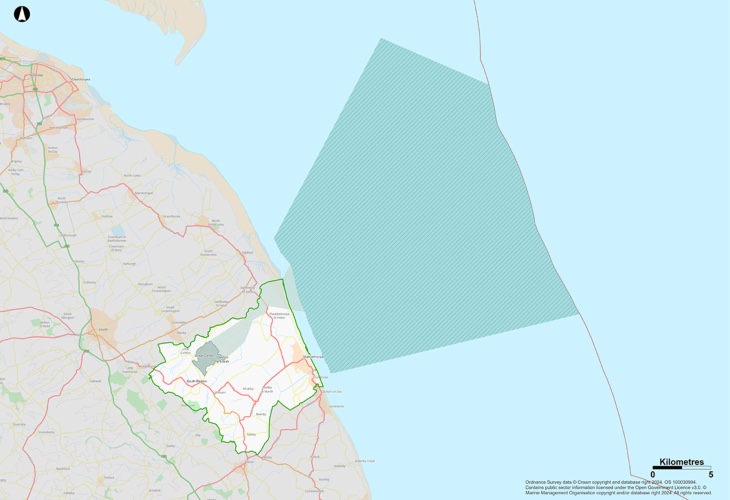
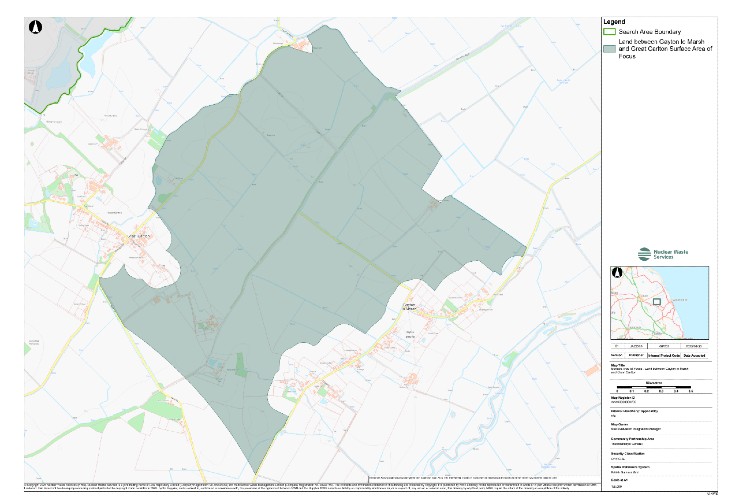
In East Lincolnshire – land to the north of the A157, south-west of Gayton wind farm, between the villages of Gayton le Marsh and Great Carlton
The sub-surface Area of Focus off the Lincolnshire coast is an area of 460 square kilometres: