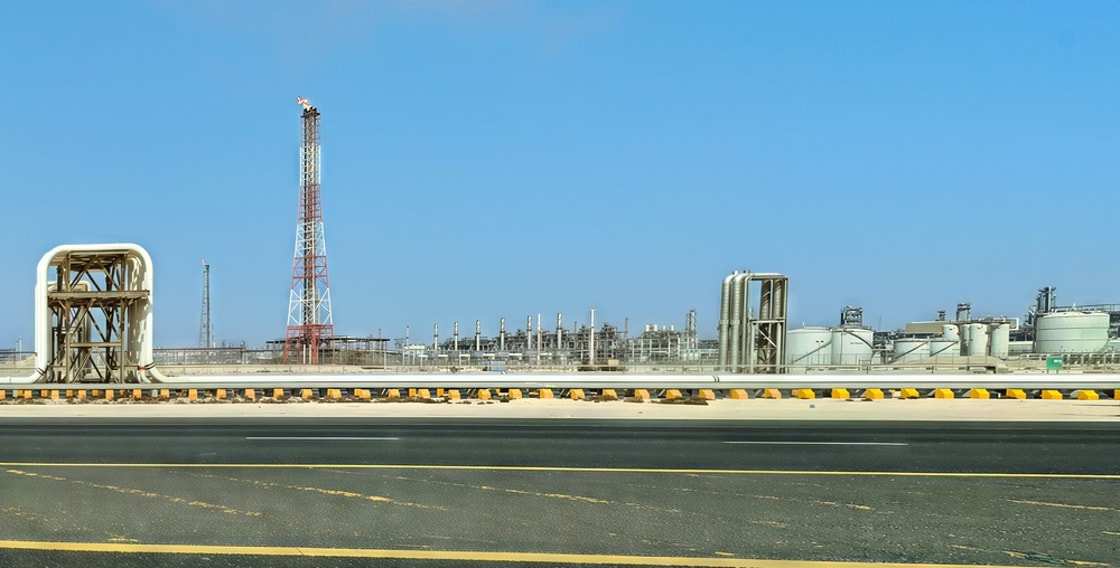
© Shutterstock / Ras Laffan
The Helium 2 plant in Qatar remains offline following confirmed damage to the facility in March as a result of the Iran conflict.
An earlier version of this story misstated reports that QatarEnergy was embarking on a partial restart of the Helium 2 plant.
QatarEnergy itself has not issued any statements suggesting a full or partial restart. gasworld has reached out to QatarEnergy for full clarification.
The last official update on the plant came in when production at the Ras Laffan Industrial City complex was fully halted following drone and missile attacks, impacting all three helium plants and sending spot prices rising.
Semiconductors have been hardest hit. Manufacturers such as Samsung and SK Hynix are particularly vulnerable, with relying on Qatar for over 65% of its helium.
High-capacity hard disk drives are helium-sealed to reduce drag; prices for these components have risen 20% to 50% due to the shortage. Reduced allocations and price surcharges have become widespread.
Energy production and shipping remain in a state of limbo amid ongoing uncertainties over war negotiations and timelines. Following , commercial shipping lines want security guarantees before passing through the chokepoint.
US President Donald Trump said there is no timeframe for ending the war and Iran’s position it is not possible to reopen the strait because of what it claims are “flagrant breaches” of the ceasefire by the US and Israel.
The unpredictability has spread to the markets where, despite oil rising to over $100 a barrel, the S&P500 and Asian stock markets have been performing well, spurred by ongoing investment in sectors such as tech and AI.