- The US conducted a ninth straight day of airstrikes on Iran, targeting military targets and communications networks.
- Iran continued to attack US bases in several countries, and the standoff shows no sign of easing, with Iran refusing to relent over the Strait of Hormuz.
- The US-Iran interim peace deal has all but collapsed, and talks over Tehran’s nuclear program and a permanent cessation of hostilities have stalled.
The US conducted a ninth straight day of airstrikes on Iran, trying to force the Islamic Republic to stop shipping attacks and reopen the Strait of Hormuz.
The American military bombed military targets and communications networks in a three-hour operation ending around 5:30 a.m. Iranian time on Monday. Iran continued to attack US bases in the likes of Kuwait, Jordan, Bahrain and Iraq.
The standoff shows no sign of easing, with Iran refusing to relent over Hormuz and insisting it has a right to manage traffic through the waterway. Energy prices have jumped on the worsening hostilities. Brent crude oil rose to above $90 a barrel for the first time in more than five weeks in early trading on Monday. US gasoline prices climbed back over the $4-a-gallon mark, potentially hurting President Donald Trump and his Republican party ahead of midterm elections in November.
Get the Latest US Focused Energy News Delivered to You! It’s FREE:
Crude’s gains eased slightly after Iran said mediators in the conflict — Qatar and Pakistan being the main ones — had reached out. Tehran gave few details, though said its interior minister, Eskandar Momeni, is traveling to Pakistan on Monday.
“The diplomatic apparatus has been active in recent days, and ideas from some mediators have been conveyed to the Islamic Republic of Iran,” an Iranian foreign ministry spokesman said to reporters.
The tit-for-tat attacks are getting deadlier. The US military announced the death of a service member in northern Iraq on Saturday during a “controlled detonation” of a downed Iranian drone. That was a day after two others were killed in an Iranian attack on Jordan, with another service member still missing from the same strike.
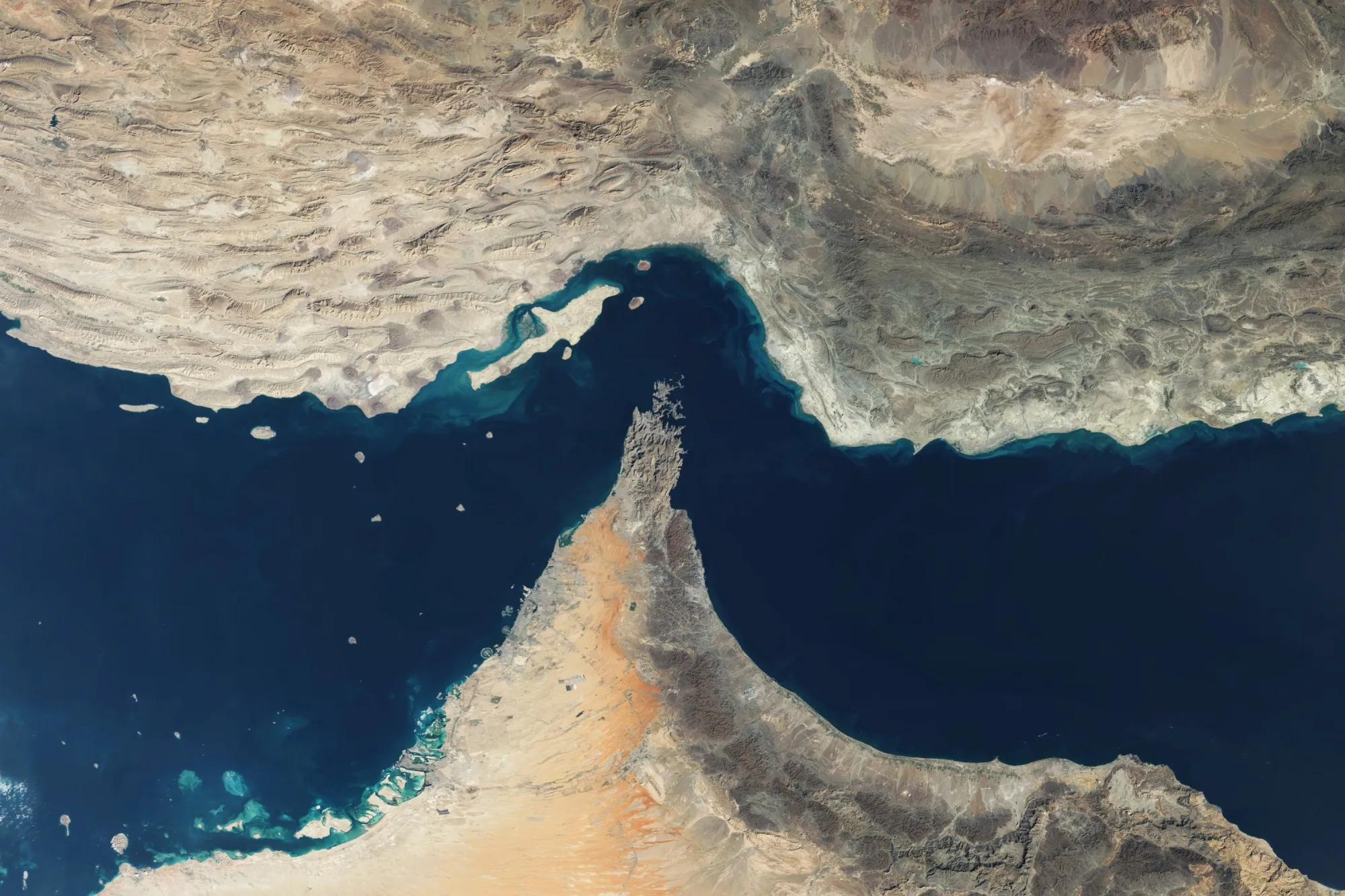
A US-Iran interim peace deal signed a month ago has all but collapsed, and talks over Tehran’s nuclear program and a permanent cessation of hostilities have stalled. That’s unlikely to change until Washington and the Islamic Republic can reach an agreement over shipping in the Hormuz strait, through which one fifth of the world’s oil and liquefied natural gas supplies typically flowed before the conflict began.
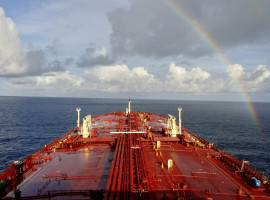
Shipping volumes have slumped and the number of tankers and other vessels going through Hormuz is roughly down to the same level from the height of the conflict in March and early April.
US President Donald Trump warned Iran last week he’d escalate airstrikes and widen the scope of targets until it backed down. Late on Sunday, speaking of the latest American fatalities, he said: “Those great patriots were out there fighting so that Iran cannot have a nuclear weapon.”
The latest US attacks were “in honor” of the personnel killed, Trump told reporters.
Abbas Araghchi, Iran’s foreign minister, said his country wouldn’t abandon diplomacy but also won’t be be forced back to the negotiating table while under military attack by the US.
“Iran’s actions in the Strait of Hormuz and Persian Gulf had global consequences and we became a global player,” he said in an interview published on his Telegram channel, underscoring how Tehran sees control of the strait as a source of leverage over the US and as vital to its security. “This is no small thing. The region realized that without Iranian security it cannot have complete security.”
US Secretary of State Marco Rubio said Iran continues to send signals it wants to negotiate. He also reiterated the Americans see signs splits between members of the Iranian government that want a peace agreement and hardliners who want to fight more.
Kuwait continues to experience some of the worst attacks from Iran. Over the weekend, Kuwait’s main state energy company said an unspecified site sustained “significant material losses,” causing its evacuation and a number of injuries, while two power and desalination plants have been hit in recent days.
Israel said Sunday it intercepted an Iranian drone near the Israel-Syria border, with Defense Minister Israel Katz warning Tehran it could will restart attacks if the Jewish state is targeted. Iran fired upon the Jordanian town of Aqaba, which sits close to Israel’s border, in the past day.
The US is sending more warplanes to the Middle East, the New York Times reported, citing anonymous US officials. The planes include F-35 and F-16 fighter jets, as well as aerial-refueling aircraft.
— With assistance from Golnar Motevalli
Share This:
More News Articles