By
24 min ago 2 min read
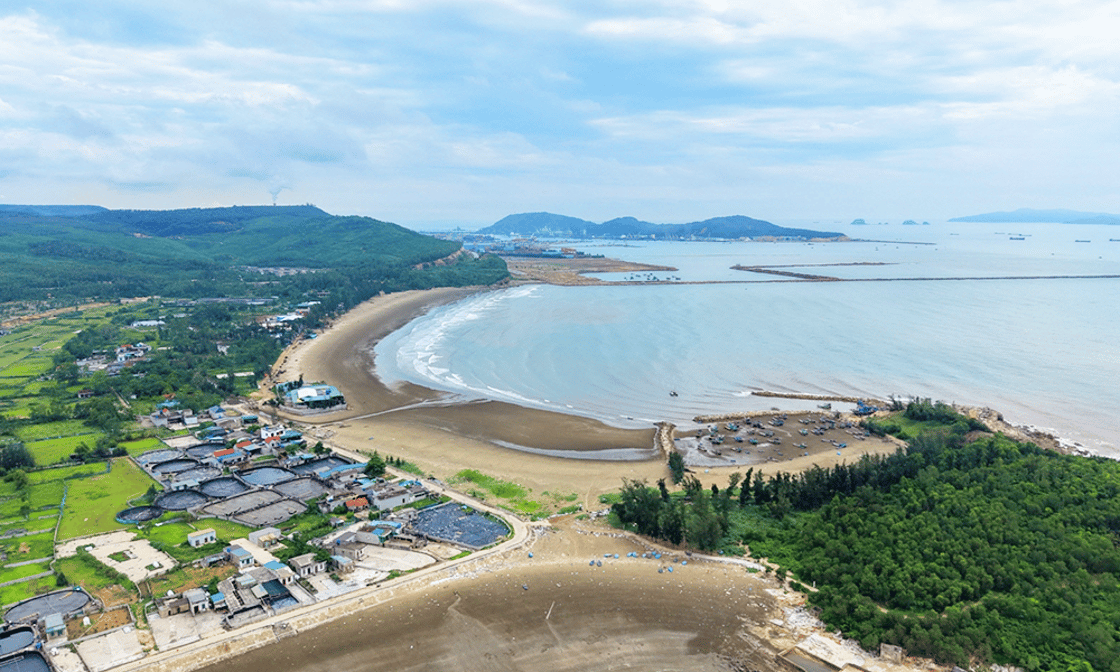
South Korea’s SK Innovation, Vietnam’s state-run power company PV Power (PetroVietnam Power) and local partner NASU (an affiliate of TH Group) have held the Quynh Lap LNG project launch and infrastructure groundbreaking ceremony in Nghe An Province, Vietnam.
The $2.3bn project comprises a 1.5GW LNG combined-cycle power plant and LNG terminal in the province, which is 220km south of Hanoi. It aims to begin commercial operations by December 2030.
The event was attended by approximately 300 guests, including Choo Hyeong-Wook, President and CEO of SK Innovation, and senior officials from Vietnam’s central and local governments, and key representatives from the consortium partners.
Beyond electricity generation, the project represents a key milestone in realising SK Group’s Specialized Energy-Industry Cluster model proposed to the Vietnamese government.
The initiative aims to create an advanced industrial ecosystem by supplying stable power to nearby hi-tech industrial complexes while supporting the development of AI data centres and related infrastructure through a Korea-style AI full-stack value chain.
Vo Trong Hai, Chairman of the People’s Committee of Nghe An Province, said the project is of strategic importance not only to the province but also to Vietnam’s national energy strategy.
Hyeong-wook said the groundbreaking lays the foundation for strengthening Vietnam’s power infrastructure and fostering an advanced industrial ecosystem.
Once completed, the project is expected to enhance power supply stability through the national grid while serving as a catalyst for industrial development in the region.
Vietnam’s LNG sector is currently small but rapidly expanding. As of 2026, the country has only two operational LNG-fired power plants one one functional import terminal. However, under Power Development Plan VIII (PDP8), Vietnam plans to become a major global LNG hub by 2030.
Key challenges to overcome include regulatory and bankability bottlenecks, power purchase agreement delays, cost competitiveness, global supply chain constraints and infrastructure and climate factors.