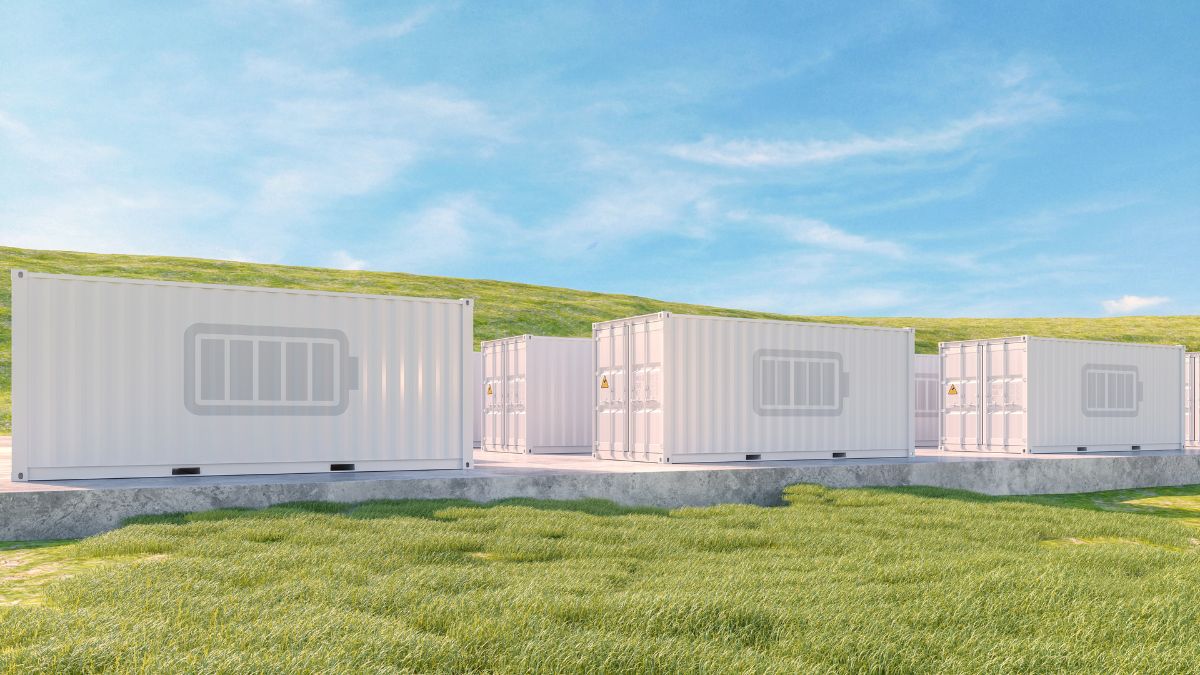
Vikram Solar, one of India’s largest solar photovoltaic module manufacturers, is planning to establish a 1GWh fully integrated solid-state cell and battery manufacturing facility. This facility, designed to scale up to 5GWh, aims to meet the increasing global demand for energy storage. With proprietary Battery Management System (BMS) technology, the company’s venture into battery manufacturing is expected to contribute to the energy storage sector by delivering innovative and sustainable solutions.
With its experience in solar PV module manufacturing, Vikram Solar is entering solid-state battery technology to support cleaner energy solutions, technological advancements, and economic growth. The company believes that integrating its expertise with advanced battery technology will contribute to a more sustainable future.
Gyanesh Chaudhary, Chairman and Managing Director of Vikram Solar, emphasized the company’s commitment to India’s renewable energy transformation. He highlighted that Vikram Solar’s solid-state batteries will be developed using mainly India-made components, supporting the government’s “Atmanirbharta” initiative. Partnering with Entity2 Energy Storage Pvt Ltd., which holds patents for non-lithium solid-state battery technologies, Vikram Solar aims to develop scalable battery solutions that address India’s growing energy storage needs.
According to a CRISIL report, India currently meets only 15-20% of its power requirements from renewable sources, with a revised target of achieving 50% renewable energy by 2030. Meeting this goal will require significant investment in battery storage to accommodate the variable nature of renewable energy. Vikram Solar’s PowerHive Battery Storage is positioned to support this transition. CRISIL projects that battery energy storage system (BESS) capacity will grow by 23-24GW between 2025 and 2030, further emphasizing the need for advanced storage solutions.
Vikram Solar’s solid-state batteries offer several advantages, including greater power storage due to minimal loss of electroactive metal, enhanced safety with protection from thermal and fire hazards, and improved stability across a wide range of operating conditions. Unlike conventional lithium-ion batteries, these solid-state batteries do not form dendrites, which can cause performance degradation. The batteries are designed for long-term stability, with a lifespan of up to 10,000 cycles. They also support a charge rate of 5C, ensuring higher efficiency and performance.
A key feature of these batteries is their contribution to self-reliance, as most raw materials are sourced domestically. This ensures a stable supply chain while supporting local industries. The batteries are also fully recyclable, manufactured from non-hazardous materials, and environmentally friendly.
With the demand for clean energy growing worldwide, battery energy storage systems are playing an essential role in ensuring round-the-clock power availability. Vikram Solar’s move into the battery sector will enhance its position as an integrated energy solutions provider. By combining power generation with storage, the company aims to provide a one-stop solution for renewable energy projects. Its existing research and development capabilities, along with a strong network of partners, will help drive innovation in battery technology. This venture marks a significant step towards addressing energy security and sustainability challenges, making Vikram Solar a key player in India’s renewable energy future.