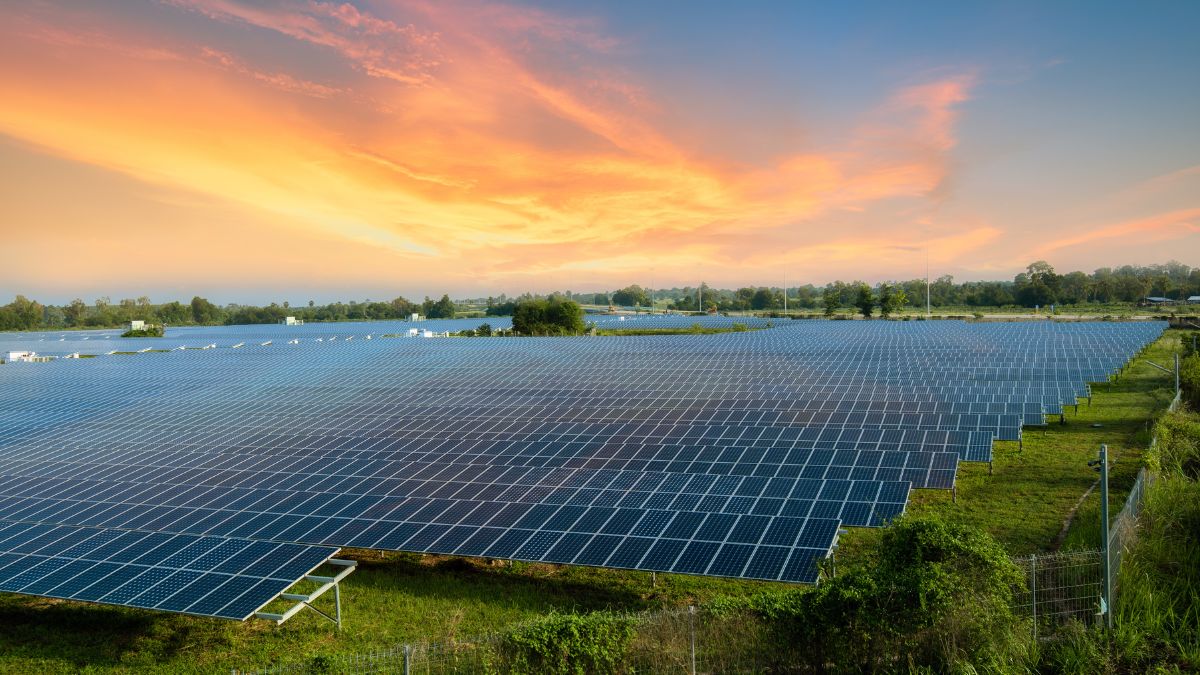
India is making steady progress in expanding its renewable energy sector while balancing its energy needs and climate goals. As of May 2025, coal remains the largest source of electricity, contributing 44.73% to the country’s total installed power capacity. However, renewable energy, especially solar and wind, is growing rapidly and is becoming a significant part of the energy mix.
In the first five months of 2025 alone, India added 12,969.56 megawatts (MW) of solar capacity. Government programs like the Approved List of Models and Manufacturers (ALMM) are supporting this growth by ensuring the quality of solar modules and encouraging domestic production.
By the end of May 2025, renewable energy sources accounted for 37.6% of India’s total installed power capacity. Solar energy has played a major role in this growth. The country’s installed solar photovoltaic capacity crossed 110.834 gigawatts (GW), making up 61.98% of the total renewable energy capacity. Solar power now contributes 23.30% to the overall power mix. Compared to the previous year, there has been a 31.51% increase in solar capacity, showing how quickly solar installations are expanding across the country.

India’s total installed power capacity reached 475 GW in May 2025, reflecting a 6.93% growth from the previous year. Despite the fast rise in renewable energy, thermal power, mainly coal-based plants, still plays an important role in meeting electricity demand. Nearly half of India’s electricity still comes from coal, which highlights the challenges in fully shifting to clean energy. Managing grid stability and ensuring uninterrupted power supply remain key concerns as more renewables are added to the system.
The growth in renewable energy is also creating socio-economic benefits. Solar and wind power projects are generating new jobs, especially in rural and semi-urban areas. These projects are helping local economies, providing better electricity access, and supporting the development of remote regions. As a result, they are improving the quality of life for many communities.
Renewable energy is also strengthening India’s energy security. With increased electricity generation from solar and wind, the country is becoming less dependent on imported fossil fuels. This reduces the risk of being affected by sudden rises in global energy prices. Improvements in energy storage and grid technologies are also making renewables more reliable and easier to manage within the power network.
At the same time, global developments are creating new opportunities. The United States has revised tariffs on solar products from countries such as China, which could benefit Indian solar manufacturers. With Chinese products becoming more expensive in the US market, Indian companies could see increased export opportunities, provided they maintain high quality and competitive pricing.