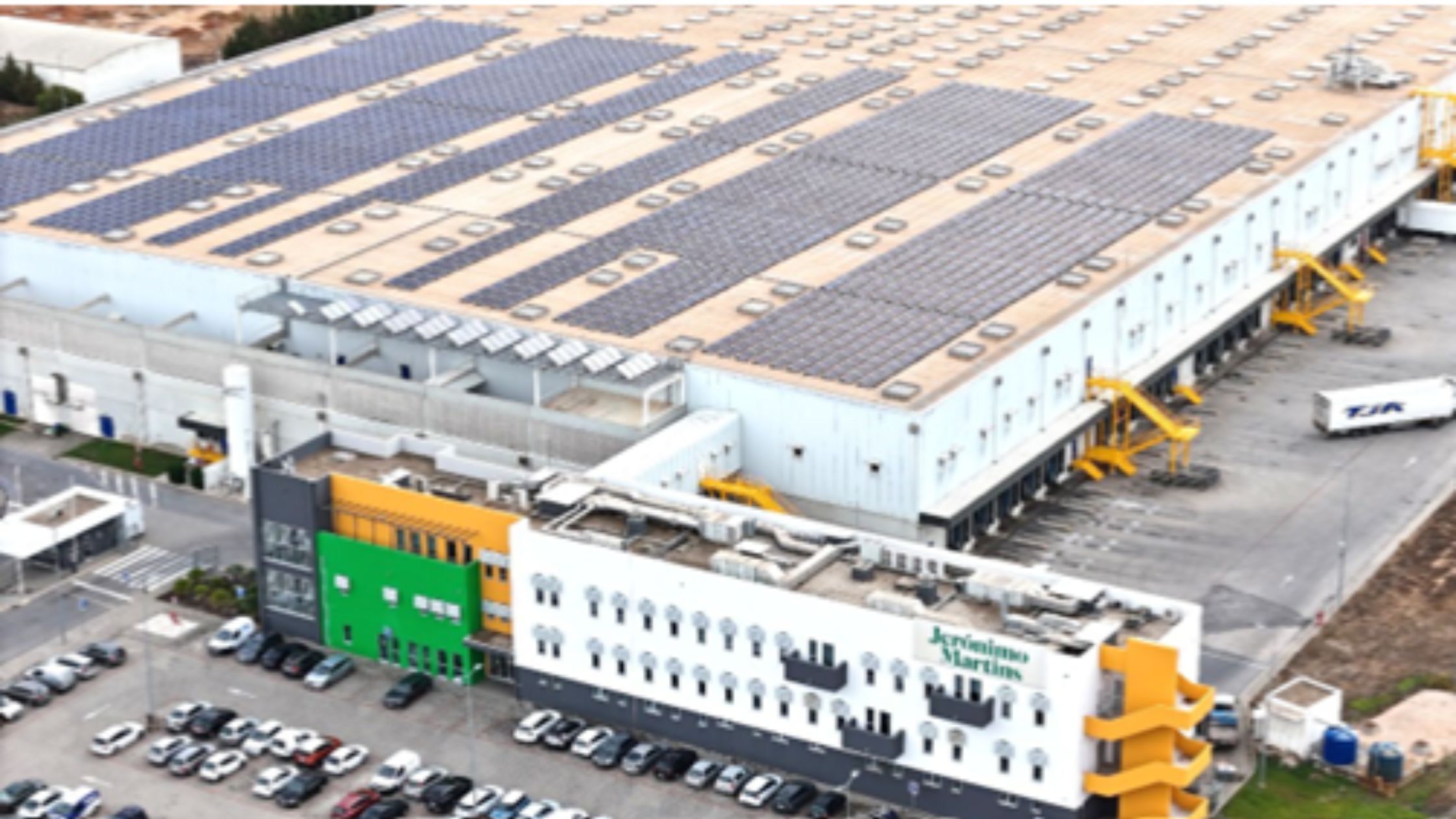
UK retailer Marks & Spencer (M&S) plans to provide mobile refuelling stations at its UK distribution centres to support the expansion of its biomethane powered HGV fleet.
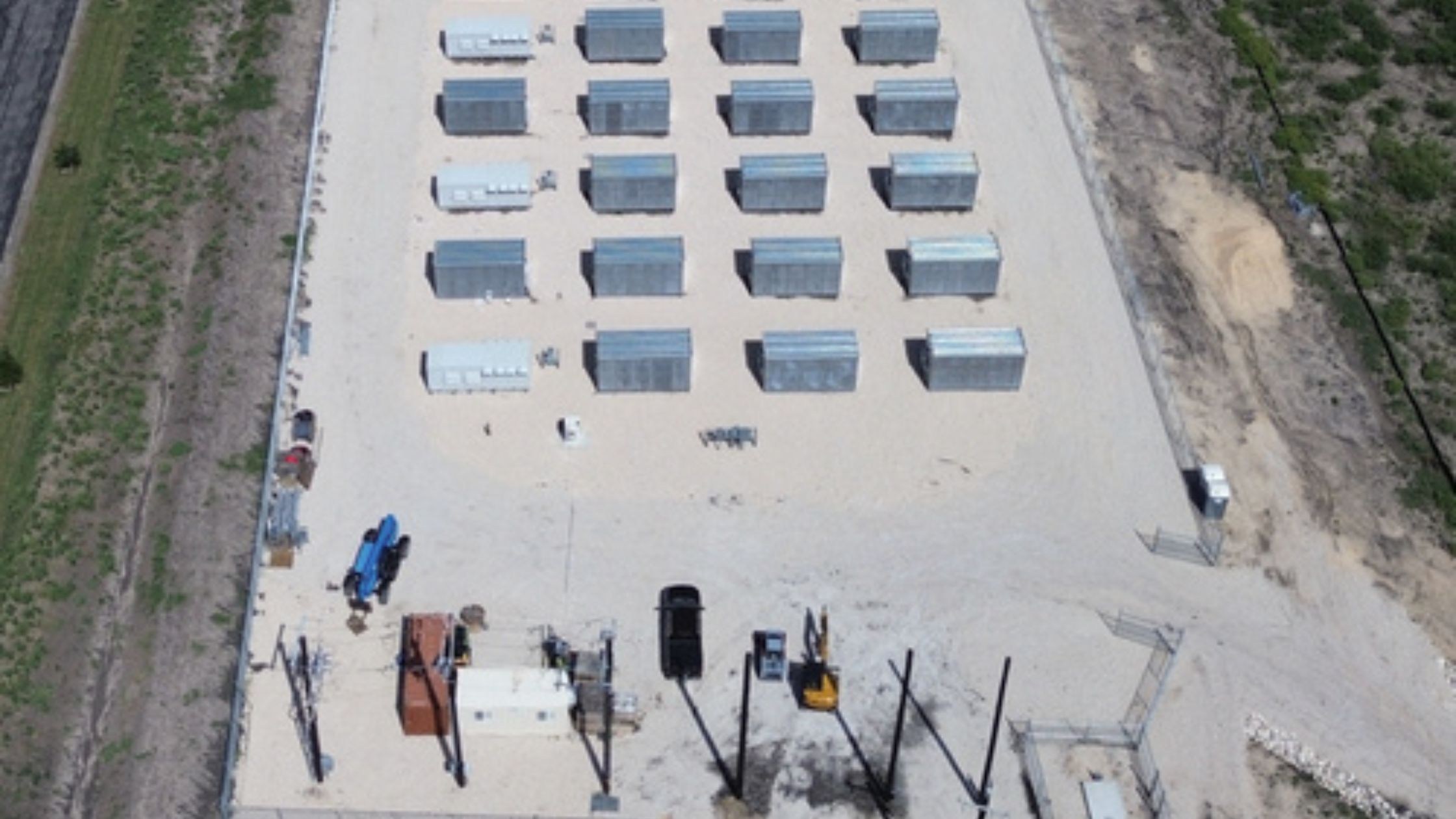
The stations – which can refuel up to 300 trucks per day – will be supplied by ReFuels NV, through CNG Fuels, after the company signed a long-term agreement with M&S.
This will complement the retail giant’s fleet of more than 210 Bio-compressed natural gas trucks, which it plans to increase to more than 300 by the end of March 2027.
“Moving to lower-carbon logistics with reduced dependency on diesel and the increased use of new technologies and lower carbon fuels is key to achieving our Plan A net zero ambitions,” said Julian Bailey, Transport Director at M&S.
Biomethane can reduce well-to-wheel carbon dioxide emissions from HGVs by 50% to over 90% compared to diesel, with typical savings around 80% to 85%, according to Motor Transport and reports by CNG Fuels.
“Biomethane is a cost-efficient, domestic here-and-now solution to decarbonise road transport, and our mobile refuelling stations help large fleets decarbonise quickly,” said Philip Fjeld, CEO and Co-Founder of Refuels.

ReFuels also operates a refuelling station in one of the UK’s key logistics hubs in Yorkshire ©ReFuels
The agreement includes redeployment of one existing MRS and manufacturing of up to three new units, growing the MRS fleet from 10 to 14 by 2026.
Other major UK retailers like Waitrose, John Lewis, and ASDA are increasingly shifting to biomethane to fuel distribution fleets.
ASDA commissioned over 300 new BioNGV trucks in 2021, supported by Air Liquide installing biomethane stations across their sites.
Despite CO2 savings, however, there are challenges. While running costs can be lower than diesel, biomethane trucks carry a 10% to 20% higher purchase price and specialised onsite refuelling stations can cost between £100,00 and over £1m.
There is also a limited refuelling network. The UK’s biomethane refuelling network for HGVs, while growing, remains concentrated, with around 16 public access stations operated primarily by CNG Fuels.
It supports over 2,000 trucks, with expansion targeting 30 to 40 stations by 2026 to address coverage limitations.