

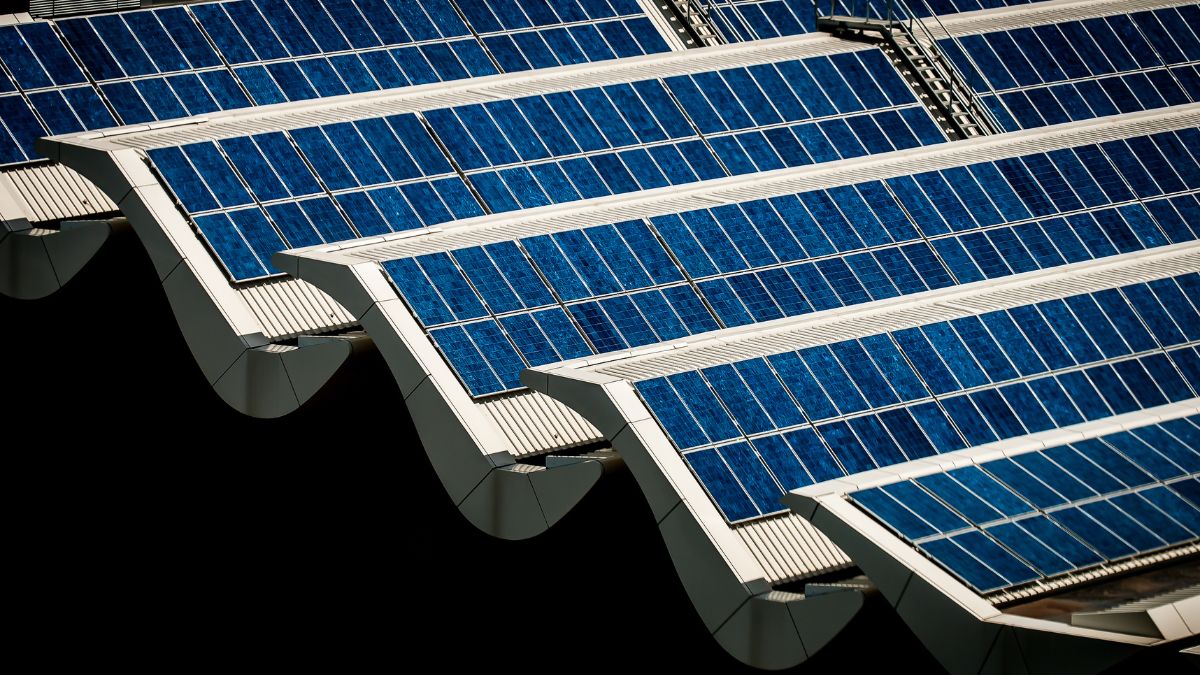
Malaysia-based clean energy company Gentari, through its subsidiary Gentari Renewables Sdn Bhd, has completed the installation of a 3.1 megawatt-peak (MWp) solar photovoltaic (PV) system at Kuala Lumpur International Airport 2 (KLIA2). The project represents another step in the adoption of renewable energy across Malaysia’s transport infrastructure and supports the country’s National Energy Transition Roadmap (NETR) and long-term decarbonization objectives.
The solar power system has been deployed under a power purchase agreement and will supply renewable electricity to gateway@klia2, the retail and lifestyle complex located within the airport. The facility is operated by Segi Astana Sdn Bhd, a joint venture between WCT Holdings Berhad and Malaysia Airports Holdings Berhad (MAHB), while WCT Malls Management Sdn Bhd manages its retail operations.
The installation includes around 5,212 solar panels spread across approximately 10,500 square meters of rooftop and car park areas. Once fully operational, the system is expected to generate about 4,277 megawatt-hours (MWh) of clean electricity every year. It is also projected to reduce annual carbon emissions by nearly 3,310 metric tons of carbon dioxide equivalent (tCO₂e), contributing to lower greenhouse gas emissions from airport operations.
The project was delivered within an active airport environment, demonstrating the feasibility of integrating renewable energy systems into critical transport infrastructure while maintaining normal operations. In addition to producing clean electricity, the solar car park structures provide shaded parking areas for passengers and airport staff, adding practical value to the installation.
The solar deployment also complements existing sustainability initiatives at KLIA2, including the installation of 12 electric vehicle (EV) charging points to meet increasing demand for EV charging at one of Malaysia’s busiest transport hubs. Together, these initiatives are expected to support cleaner mobility while improving the airport’s overall environmental performance.
The project is also expected to help stabilize energy costs and strengthen operational resilience as passenger traffic and vehicle movements continue to increase, particularly ahead of Visit Malaysia Year 2026.
The collaboration between Gentari and Segi Astana reflects the growing adoption of on-site renewable energy solutions across Malaysia’s transport sector. By integrating solar energy into airport infrastructure, the project highlights the expanding role of clean energy in reducing emissions, improving energy efficiency, and supporting the country’s broader transition toward a low-carbon economy. Gentari said it remains committed to delivering practical renewable energy solutions that help customers achieve their decarbonization goals.
Subscribe to get the latest posts sent to your email.










)