

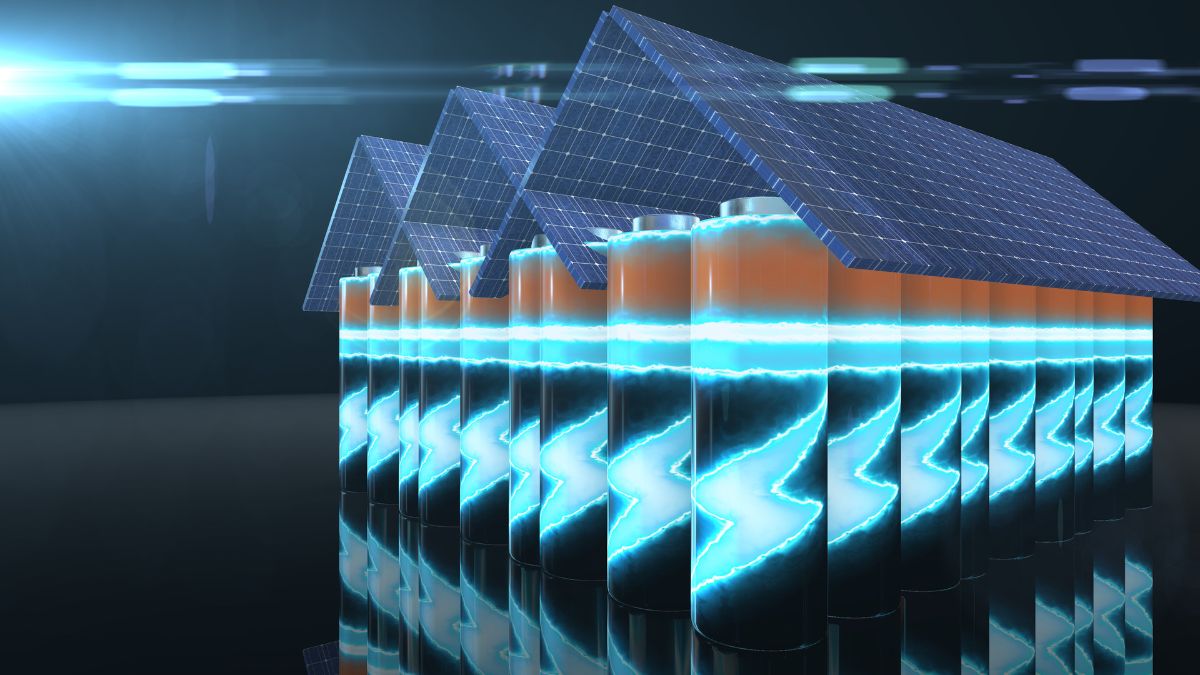
Masdar, the clean energy company based in Abu Dhabi, has achieved financial close for a landmark renewable energy project that is expected to redefine the future of clean power generation. The project is being described as the world’s first gigascale renewable energy facility capable of delivering clean electricity around the clock, addressing one of the biggest challenges facing renewable energy—ensuring a reliable power supply even when solar and wind resources are unavailable.
The project represents a total investment of US$6.1 billion. Masdar has secured a US$5.1 billion debt financing package from a consortium of 13 local and international banks, while the remaining US$1 billion will be funded through the company’s equity investment. The financing group includes major financial institutions such as Abu Dhabi Commercial Bank, Abu Dhabi Islamic Bank, BNP Paribas, Bank of China, HSBC, and Standard Chartered, highlighting strong confidence from the financial sector in the project’s long-term viability and commercial potential.
Developed in partnership with the Emirates Water and Electricity Company (EWEC), the project will combine a 5.2 GW solar photovoltaic power plant with a 19 GWh battery energy storage system. The integration of large-scale solar generation with advanced battery storage will enable the facility to deliver 1 GW of continuous clean electricity throughout the day and night. This approach is expected to overcome the intermittent nature of renewable energy and provide dependable baseload power that can support electricity grids more effectively.
The facility will also incorporate advanced digital technologies, including artificial intelligence-based weather forecasting and smart power dispatch systems. These technologies will help optimize electricity generation, improve battery management, and maintain grid stability by accurately predicting weather conditions and energy demand.
Construction of the project began in October 2025, following the official groundbreaking ceremony. With financial close now completed, development is moving ahead as planned, and the project is expected to become fully operational in 2027. Once commissioned, the facility is projected to reduce carbon dioxide emissions by around 5.7 million tonnes annually, making a significant contribution to climate change mitigation.
The project also supports the United Arab Emirates’ broader strategy to expand renewable energy capacity, strengthen energy security, and diversify its economy. It is expected to play an important role in meeting the increasing electricity demand from emerging industries, including artificial intelligence-driven data centers and other energy-intensive sectors. By successfully combining large-scale solar generation, battery storage, and intelligent energy management into a single project, Masdar is demonstrating a new model for reliable, 24-hour renewable electricity that could be replicated in other markets worldwide, supporting the global transition toward cleaner and more sustainable energy systems.
Subscribe to get the latest posts sent to your email.






)