International Energy Agency (IEA) modelling finds that nearly 900 billion cubic metres of biogases could be produced sustainably each year – enough to meet more than 20% of global natural gas demand today.
More than 70% of this sustainable potential is located in emerging and developing economies, led by India and Brazil, as well as China.
To help decision-makers and stakeholders assess opportunities for biogas and biomethane at the national and local level, the IEA has launched an that allows users to explore these findings in greater detail.
Production of biogases today is around 1.7 exajoules (EJ), and an ambitious yet achievable goal would be to quadruple global waste‑derived production to nearly 6 EJ by 2035, in line with the COP30 Belém pledge to quadruple sustainable fuels. The IEA assesses that achieving this would deliver around 0.5 gigatonnes (Gt) CO2-equivalent in annual emissions savings.

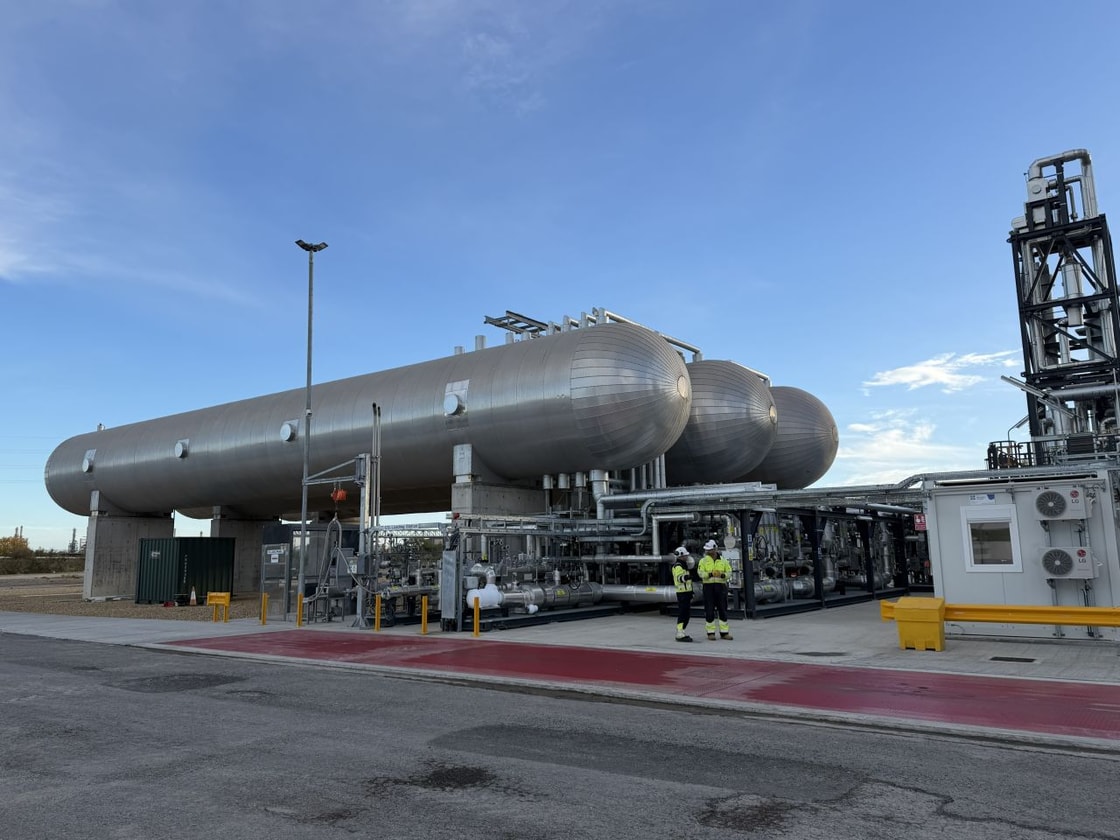
These savings would come from redirecting manure, municipal and industrial waste and crop residues into anaerobic digesters, which produce biogas that can be upgraded into biomethane.
This delivers a double dividend: avoiding some of the methane emissions that would otherwise occur in the agriculture and waste sectors, while also displacing the use of conventional fuels.
The is expected to double in value by the end of the decade as governments strengthen support for renewable gases and industries seek greater energy security.
Europe’s biomethane sector added more than 1 billion cubic metre (bcm) of annual production capacity in a year and , up 17% on 2025, according to the European Biogas Association.
The Fortune Business Insights market research firm projects the global biogas market will reach $56.1bn in 2026.