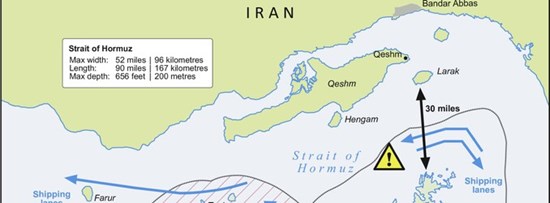
The impact of the war between the United States and Iran on oil-importing nations in Asia could last years or even decades because of these countries’ heavy dependence on those imports, energy analyst Vandana Hari of Vanda Insight has warned.
“There is a growing dependency on imports, and with that comes a dependency — or a vulnerability — to geopolitics,” Hari said at a Bloomberg event in Singapore. “I think we are in a geopolitical flux; I think this is going to remain with us for decades, definitely years.”
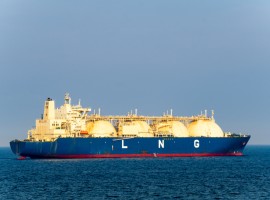
Asia imports most of its oil from the Middle East due to their geographical proximity, which makes such purchases more economical than, say, purchases from the United States. Yet this has put Asian nations in a bind now that the U.S. and Iran are at war, with the Strait of Hormuz shut down and the Bab el-Mandeb Strait apparently about to follow.
The Yemeni Houthis said earlier this week they would blockade the waterway, and reports followed that two Saudi tankers loaded with crude for Asia were turning around from the Bab el-Mandeb Strait and setting off for the Suez Canal, according to ZeroHedge. Reuters reported on three loaded tankers making U-turns in the Red Sea. The turnaround followed threats from the Houthi forces. The Suez Canal is the alternative waterway in the Red Sea, but it means longer journeys, and longer journeys mean more expensive oil.
Meanwhile, the U.S. continued to bomb Iran for the 11th time, which suggests those mediation efforts on which media reported earlier in the week are unlikely to have an immediate effect on the intensity of the hostilities. Oil prices are up again, adding to importers’ bills. In India’s case, the added cost caused the oil import bill to balloon by over 60% for the three months to June.
By Irina Slav for Oilprice.com
More Top Reads From Oilprice.com
- Oil Prices Climb as U.S.-Iran Conflict Shows No Signs of Slowing
- US Crude Oil Inventories Build As Hormuz Shipping Headache Drags On
- India Keeps Buying Russian Oil at Near-Record Pace Despite Expired Waiver