The revised merger agreement between Dominion Energy and NextEra Energy has raised concerns over the future of offshore wind and other renewable energy resources in Virginia, according to a briefing note from the Institute for Energy Economics and Financial Analysis (IEEFA).
The updated agreement does not mention offshore wind, signalling a potential shift in energy investment priorities following the proposed merger. IEEFA noted that Dominion Energy had previously considered further offshore wind development, while NextEra Energy has shown less support for the technology.
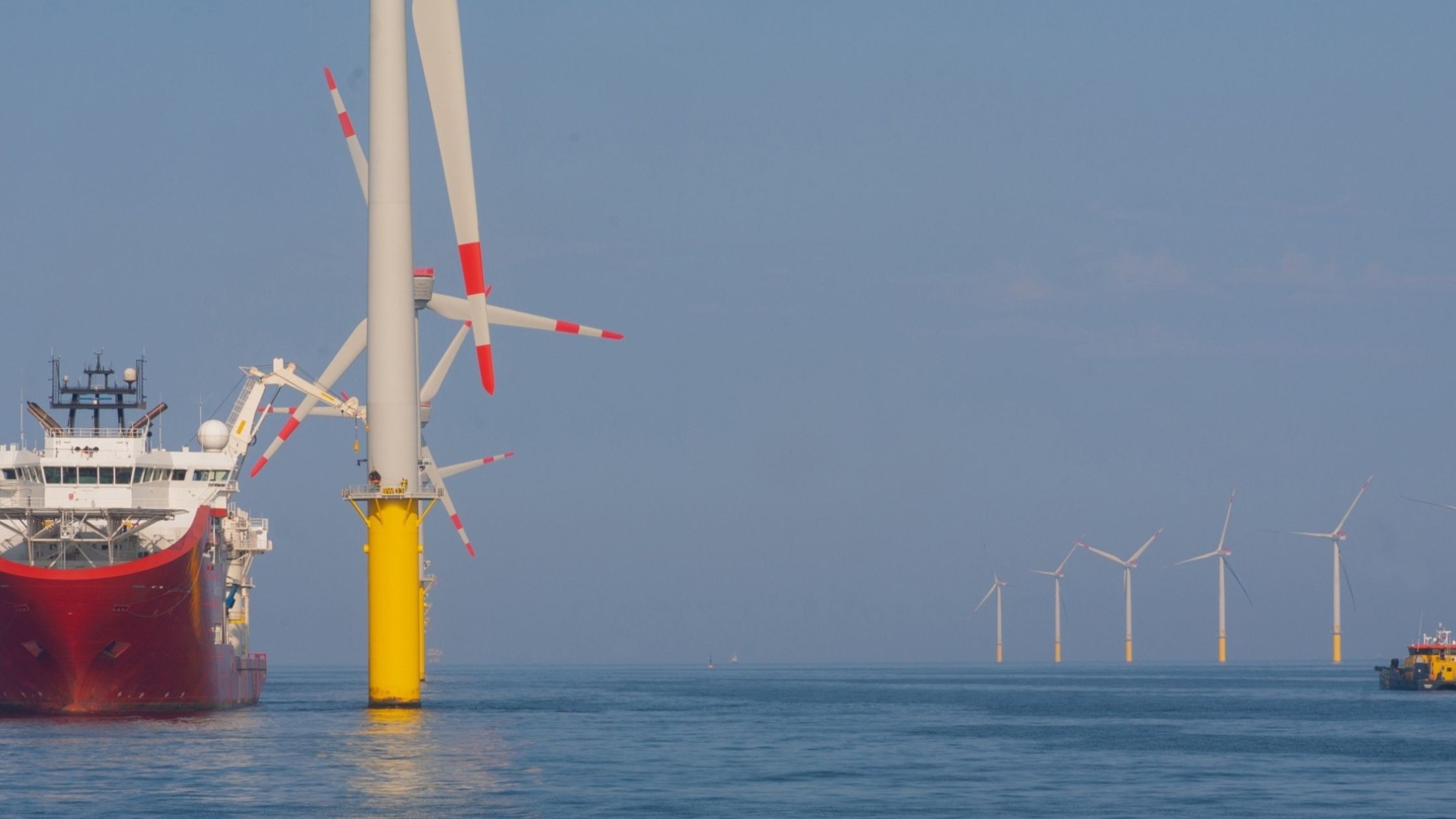
The omission has drawn attention to the performance and projected cost benefits of Dominion’s 2,600-megawatt (MW) Coastal Virginia Offshore Wind (CVOW) project, which is now more than 80% complete. Dominion estimates that the project could save Virginia consumers US$5 billion in fuel costs during its first 10 years of operation.
The utility’s nearby 12 MW offshore wind pilot project has also demonstrated operational performance over the past six years, according to IEEFA.
“By overlooking offshore wind and paying lip service to coal facilities, it is clear that NextEra is looking out for its shareholders first and foremost, and not Virginia ratepayers,” said Dennis Wamsted, IEEFA Energy Finance Analyst and author of the briefing note.
He added that Virginia’s decision-makers, regulators and energy advocates should consider these concerns as they evaluate the proposed merger.
IEEFA Highlights Role of Offshore Wind in Virginia’s Energy Mix
The briefing note compares the capacity factor of Dominion’s operating offshore wind pilot project with those of its three operating coal-fired power plants. IEEFA highlighted the comparison as evidence relevant to future decisions on the state’s electricity generation mix.
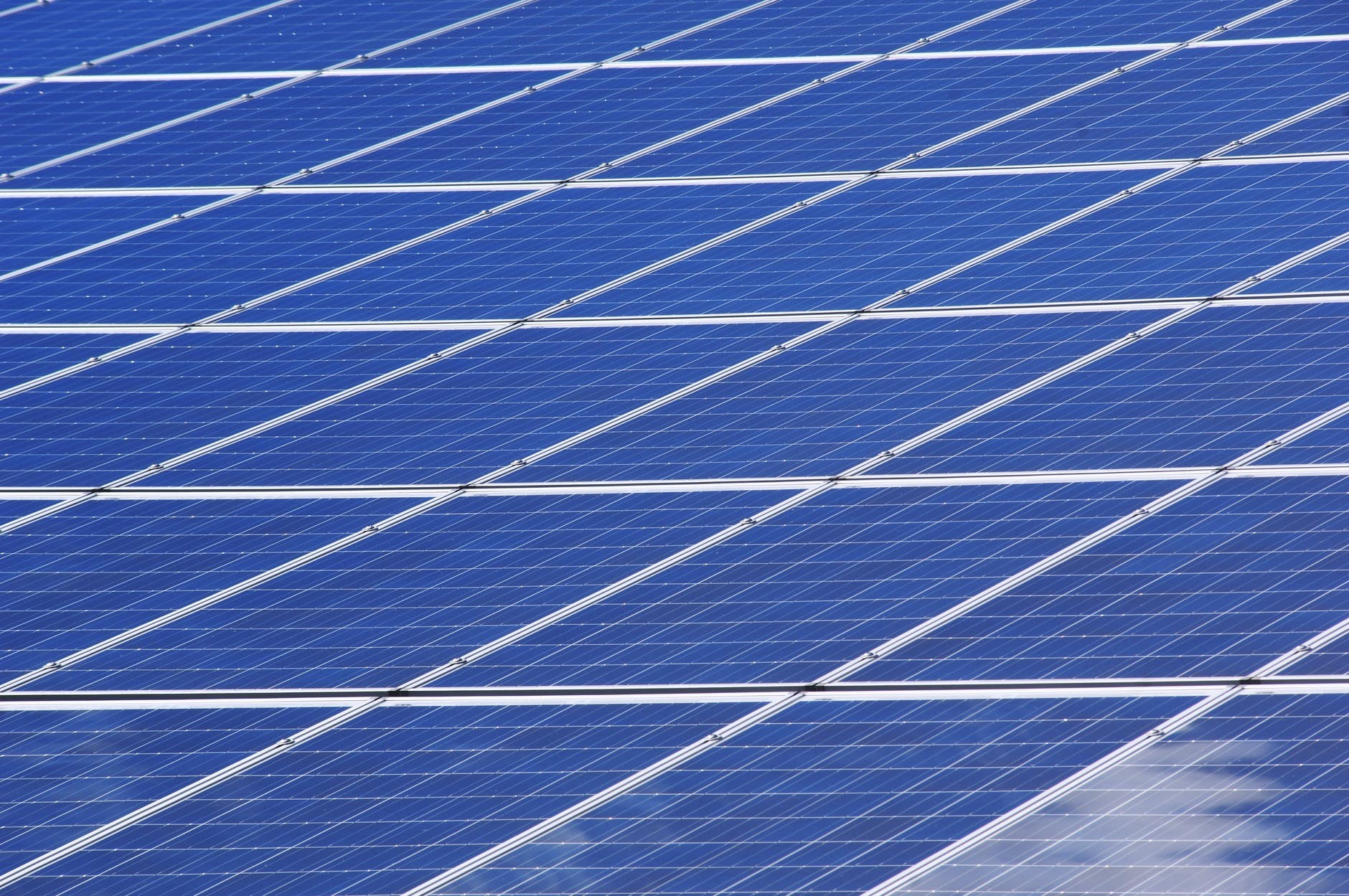
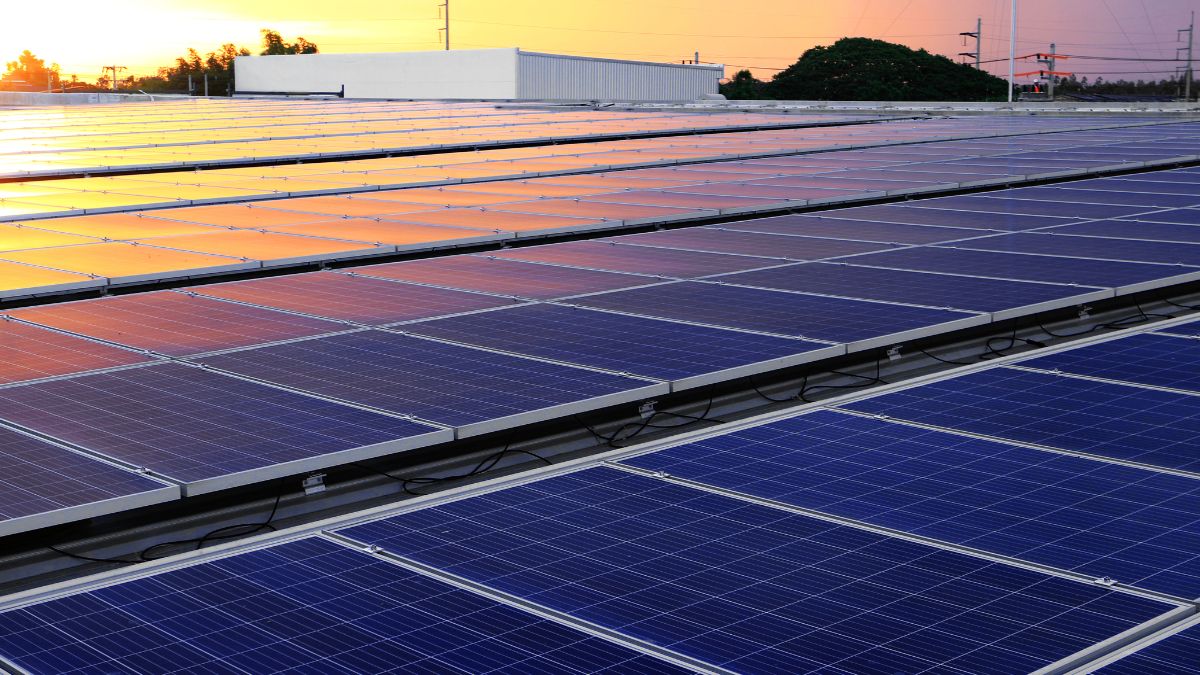
The report also raised concerns about the revised agreement’s apparent lack of emphasis on dispatchable renewable energy resources, including hybrid solar and battery storage projects.
According to IEEFA, these technologies can already compete as peaking power resources, while the expansion of long-duration energy storage could strengthen their ability to meet electricity demand across different timeframes.
The institute called on regulators to ensure that Dominion executives allow dispatchable renewable energy projects to participate in future requests for proposals (RFPs). Such an approach could broaden the range of resources considered for meeting Virginia’s future electricity needs.
Regulators Urged to Protect Renewable Energy Options
IEEFA warned that the proposed merger should not restrict Virginia’s ability to invest in renewable energy and battery storage as alternatives to fossil fuel-fired generation.
The briefing note emphasised that regulators, policymakers and consumers should assess the merger’s potential impact on long-term electricity costs, resource planning and investment decisions.
The debate comes as Virginia evaluates its future power generation requirements, with offshore wind, hybrid solar and battery storage offering potential alternatives to conventional thermal generation.
IEEFA said the performance of existing renewable energy projects and their potential cost benefits should remain central to the review of the proposed merger to ensure that future energy decisions consider the interests of electricity consumers alongside shareholder priorities.
Subscribe to get the latest posts sent to your email.