(Reuters) – The U.S. government is studying ways it could ease sanctions on Russia’s energy sector as part of a broad plan to enable Washington to deliver swift relief if Moscow agrees to end the Ukraine war, according to two sources familiar with the matter.
Reuters had reported earlier in the week that the United States was drawing up plans to potentially lift Russian sanctions on select entities and individuals, but it was not clear at the time whether the initiative would include Russia’s enormous oil and gas industry.
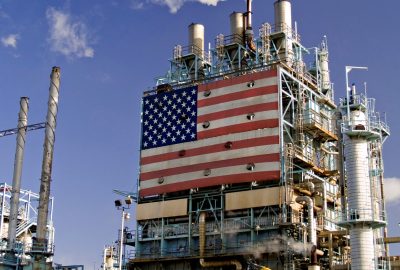
Russia is among the world’s largest oil and gas producers, and the U.S. has sought to starve Russia of the cash it needs for the war effort by targeting the industry with sanctions, and by leading a multilateral effort to cap the price of Russian oil exports to $60 a barrel.
The White House has asked the Treasury Department to explore options for easing energy sanctions ahead of expected talks between President Donald Trump and Russian President Vladimir Putin to end the Ukraine war, the two sources said, speaking on condition of anonymity.
That work would allow Washington to roll back the sanctions quickly in the event of a peace deal, according to the sources, who made clear the effort should not be read as an indication that the U.S. would lift the sanctions without Russian concessions.
Trump says he plans to meet with Putin in Saudi Arabia in coming weeks to negotiate a deal to end the three-year-old Ukraine war, and analysts say relaxing the sanctions represents a likely centerpiece of any agreement.
Trump on Friday also raised the prospect of imposing more large-scale U.S. sanctions on Russia and called on both countries to get on with negotiating a peace deal.
Trump’s threat came after Russian forces hit Ukrainian energy and gas infrastructure overnight. The Russian attack was the first since the U.S. paused aid and intelligence sharing with Ukraine.
The White House National Security Council and Treasury did not respond to requests for comment.
The energy sanctions inquiry is part of a broader review of U.S. actions against Russia that includes potentially lifting sanctions on select entities and individuals, including some Russian oligarchs.
Since Russia’s annexation of Crimea in 2014, the United States has imposed a series of sanctions packages, including travel bans, asset freezes, as well as measures aimed at hitting the energy, finance and defense sectors.
The Trump administration wants the ability to move swiftly to lift sanctions and avoid delays due to lack of preparations, the sources said, adding that it wanted to avoid previous turmoil when other sanctions were lifted.
Delays in lifting U.S. sanctions on Russian aluminum producer Rusal in 2019, for example, created disruptions for firms in the transport, construction and packaging industries, and contributed to a 30% spike in aluminum prices.
The Treasury is also looking at what Russia’s full return would do to global oil prices and how it could shift trading patterns that have seen European markets shift away from Russian supplies and toward those of the United States.
China and India have continued to buy Russian oil but payment problems and ship insurance gaps have complicated deliveries.
Reporting By Jarrett Renshaw and Jonathan Saul; Editing by Richard Valdmanis, Simon Webb and Marguerita Choy
Share This:
More News Articles