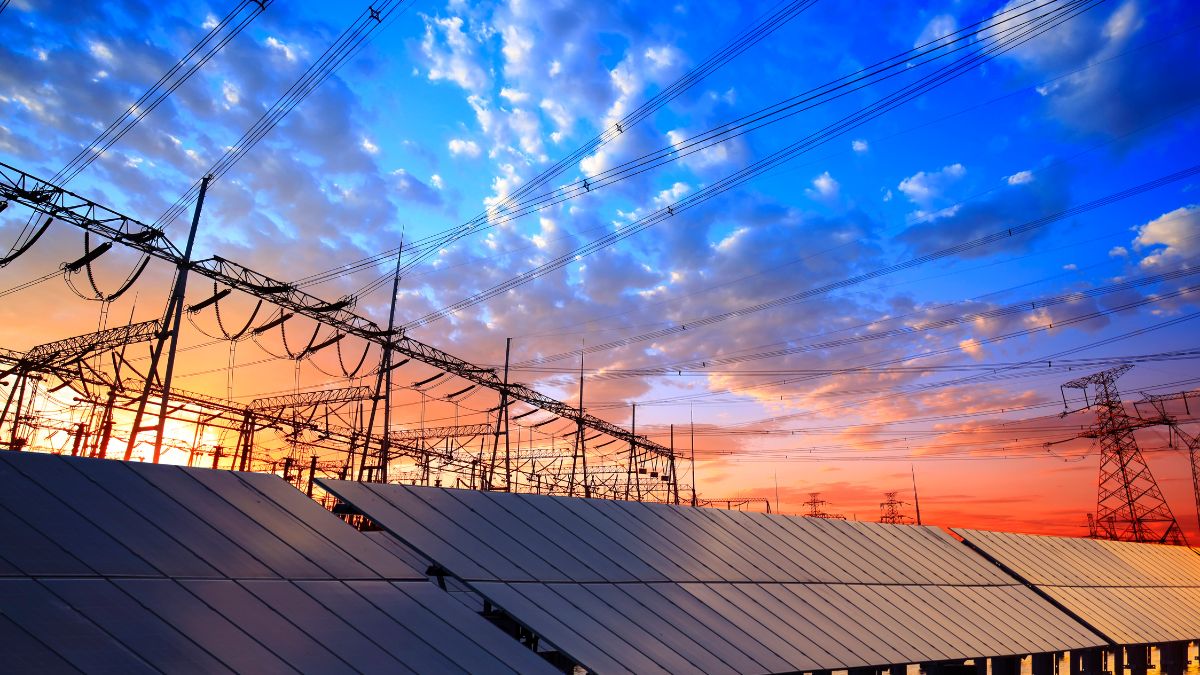
India’s push toward a net-zero future is primarily centered on the mainstream proliferation of two game-changing technologies: solar power and electric vehicles (EVs). While both have made impressive strides, attracting investment remains a challenge. High upfront costs, market uncertainty, and evolving policies make many investors hesitant. But that’s where financial innovation steps in proving invaluable in reshaping the risk landscape and making green projects more attractive.
Bridging the financial gap with green bonds and ESG Investments
One of the biggest breakthroughs in green finance has been the rise of green bonds. These bonds are structured to channel funds into renewable energy initiatives, offering investors stable, long-term returns. In India, both the government and private companies have used them to fund large-scale solar projects and EV infrastructure, creating a more predictable investment climate.
At the same time, Environmental, Social, and Governance (ESG) investing has gained momentum. Investors are increasingly looking beyond just profits, prioritizing sustainability and social impact. With banks now encouraged to lend to green projects under the Reserve Bank of India’s (RBI) priority sector guidelines, renewable energy and EVs are becoming more attractive from a financial standpoint.
Government incentives and risk mitigation strategies
The Indian government has introduced several policy mechanisms to de-risk renewable investments. For instance, Viability Gap Funding (VGF) ensures the financial feasibility of large-scale solar projects by covering part of the capital expenditure. Similarly, Production Linked Incentive (PLI) schemes for solar PV manufacturing and battery storage help lower investment risks by providing direct financial support to eligible firms.
To encourage wider EV adoption, initiatives like the PM E-Drive Yojana and income tax rebates on EV purchases have reduced upfront costs for consumers and businesses. By offering capital subsidies and reducing import duties on battery components, the government is creating a more stable investment environment for the EV sector.
Innovative financing models for solar and EVs
New financial models are emerging to make solar energy and EV adoption more accessible. For instance, third-party financing models, such as Power Purchase Agreements (PPAs) and solar leasing, allow businesses and consumers to install solar panels with minimal upfront costs. Under these agreements, a third-party investor owns and maintains the solar system, and the consumer pays only for the electricity generated.
Similarly, battery leasing and vehicle subscription models are reshaping the EV market. Instead of purchasing expensive battery packs, consumers can opt for battery-as-a-service (BaaS), reducing the total cost of EV ownership and addressing range anxiety concerns. These models make it easier for businesses and individuals to transition to clean energy solutions without bearing the financial burden alone.
Digital platforms and fintech solutions for green financing
The integration of fintech into green financing is unlocking new opportunities for investors and consumers. Digital lending platforms are streamlining access to renewable energy loans, offering quick approvals and lower interest rates for solar installations and EV purchases. Crowdfunding platforms are also playing a role in democratizing green investments by allowing small-scale investors to participate in large renewable projects.
Blockchain-based financing solutions are further enhancing transparency and reducing fraud risks in green investments. By ensuring traceability of funds, blockchain technology is fostering trust among investors and promoting accountability in sustainable finance.
The road ahead
Despite these advancements, challenges remain. Land acquisition continues to be a roadblock for large-scale solar farms. As solar capacity increases, integrating renewable energy into the grid becomes more complex, requiring advanced infrastructure and energy storage solutions. Meanwhile, expanding EV charging networks, especially in rural areas, is crucial to sustaining growth.
To keep the momentum going, India needs to fine-tune its financial frameworks. Strengthening credit guarantees, introducing risk-sharing mechanisms, and maintaining consistent policies will be key to attracting large-scale investments. As technology costs fall and financial solutions evolve, renewables will become even more viable, accelerating the country’s transition to clean energy.
By addressing financial roadblocks through innovation, India is making green investments more secure and attractive. The next few years will be crucial in ensuring these financial mechanisms continue to evolve, making solar power and EVs a more integral part of the economy.

By Vivek Khandelwal, Head Treasury, Ecofy Finance Pvt Ltd