President Donald Trump promised on the campaign trail to lower energy costs for consumers by increasing US oil and gas production. He’s continued with that refrain in office.
“As you’ve heard me say many times, we have more liquid gold under our feet than any nation on Earth,” he said during his address to a joint session of Congress on March 4. “I’ve fully authorized the most talented team ever assembled to go and get it. It’s called drill, baby, drill.”
The president can’t order oil and gas companies to increase production. But to encourage such investments from the industry, Trump has pursued a deregulation campaign intended to bring down barriers and costs associated with producing oil and natural gas.
the administration’s efforts to ease restrictions and its embrace of fossil fuels over green energy. However, the response to his call to increase production is less enthusiastic. Executives worry that increasing supply will drive down prices and therefore profits, putting them at odds with the president, who wants to deliver on his campaign promise.
Why is Trump pushing to increase oil and gas production?
Trump has an affinity for America’s oil and gas bounty — he frequently repeats his “liquid gold” line — and according to the advocacy group Climate Power, the industry to his reelection campaign and affiliated political action committees. Trump made his vow to lower consumers’ gasoline and electricity costs an important feature of his campaign.
He can do that primarily through lower oil and gas prices, brought about by higher production.
Exactly what prices the Trump administration wants to see is not clear. When oil prices slid to around $65 a barrel in mid-March, the president “phenomenal news.” According to a in the Financial Times, Energy Secretary Chris Wright has said he believes oil companies could afford to boost output even if prices dipped to $50 a barrel – a price point below the cost of production in many US oil fields.
However, following a later meeting with oil executives, Wright struck a different tone. “I don’t think I’ve mentioned $50 oil before,” . “I’ve always said all commodities are supply and demand.”
What are the steps Trump is taking to increase supply?
Trump has launched a series of policy measures intended to boost demand for oil and gas and make it easier and less costly to produce those fossil fuels, part of his broader campaign to “unleash American energy dominance.”
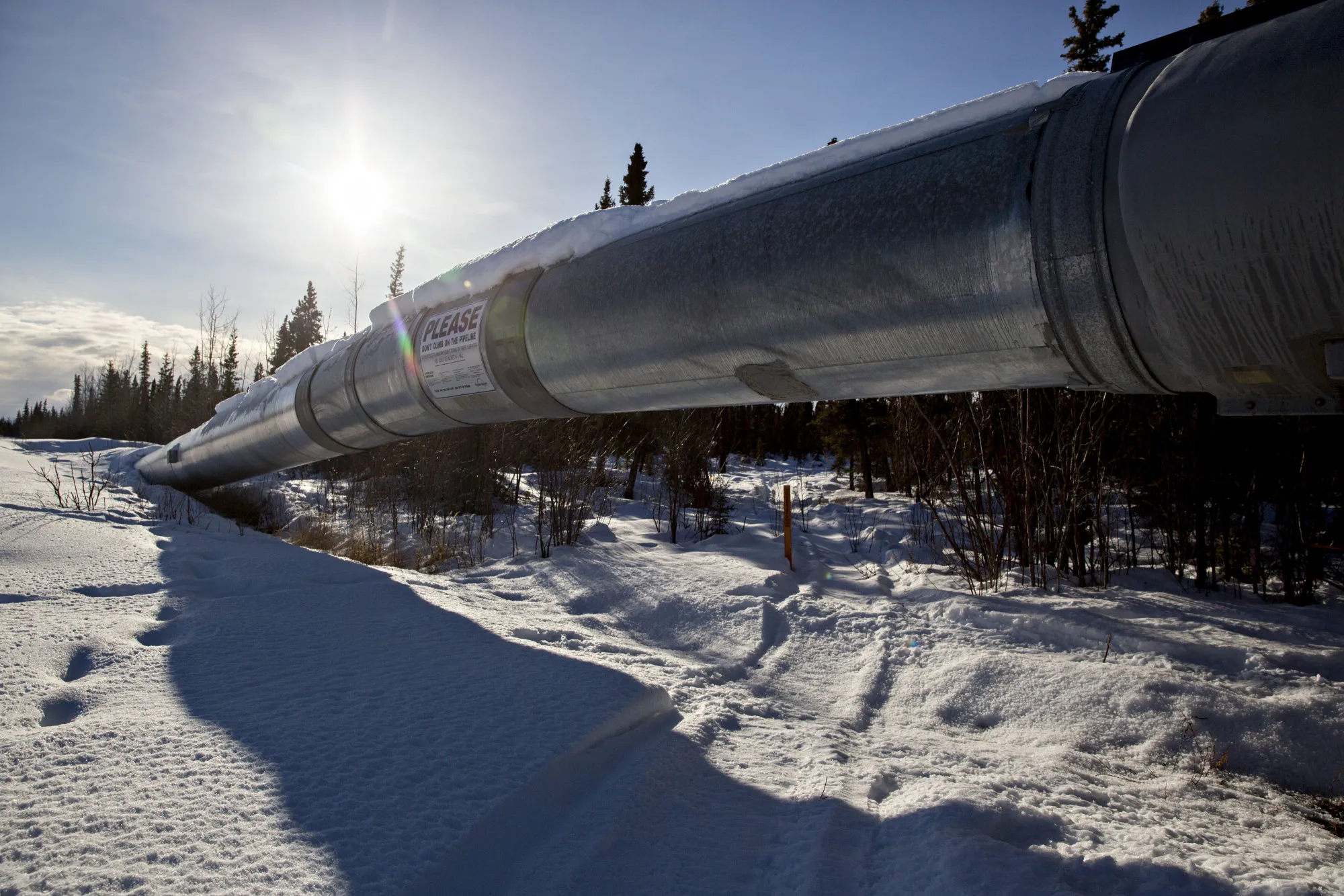
The president has declared a “national energy emergency,” for expediting energy infrastructure projects through legal powers not previously used for this purpose. After Trump ordered agencies to review regulations that burden the industry, the announced it was moving to unwind dozens of measures, including limits on methane pollution and other rules that suppress fuel demand. Trump’s Energy Department has approved natural gas export licenses paused by his predecessor, former President Joe Biden. The president is also more oil and gas development in Alaska.
However, many of the planned regulatory changes still have to go through a potentially multi-year rulemaking process.
So far, Trump’s move with the most immediate impact was his that Saudi Arabia and other nations in the OPEC+ oil cartel “bring down the cost of oil.” In early March, the group announced plans to gradually increase production, a decision that surprised the global oil market and began to lower prices.
How are oil companies reacting to his call to increase drilling?
Oil company executives are walking a fine line in their response to the president’s initiatives. They’re embracing Trump’s plans to ease pipeline permitting and increase the industry’s access to government-controlled land for drilling.
But executives are also bristling at his push to bring down oil prices, which as of March 27 had dropped 10% since Trump returned to office.
“The administration’s chaos is a disaster for the commodity markets,” one unnamed oil executive to an energy industry survey from the . “‘Drill, baby, drill’ is nothing short of a myth and populist rallying cry.”
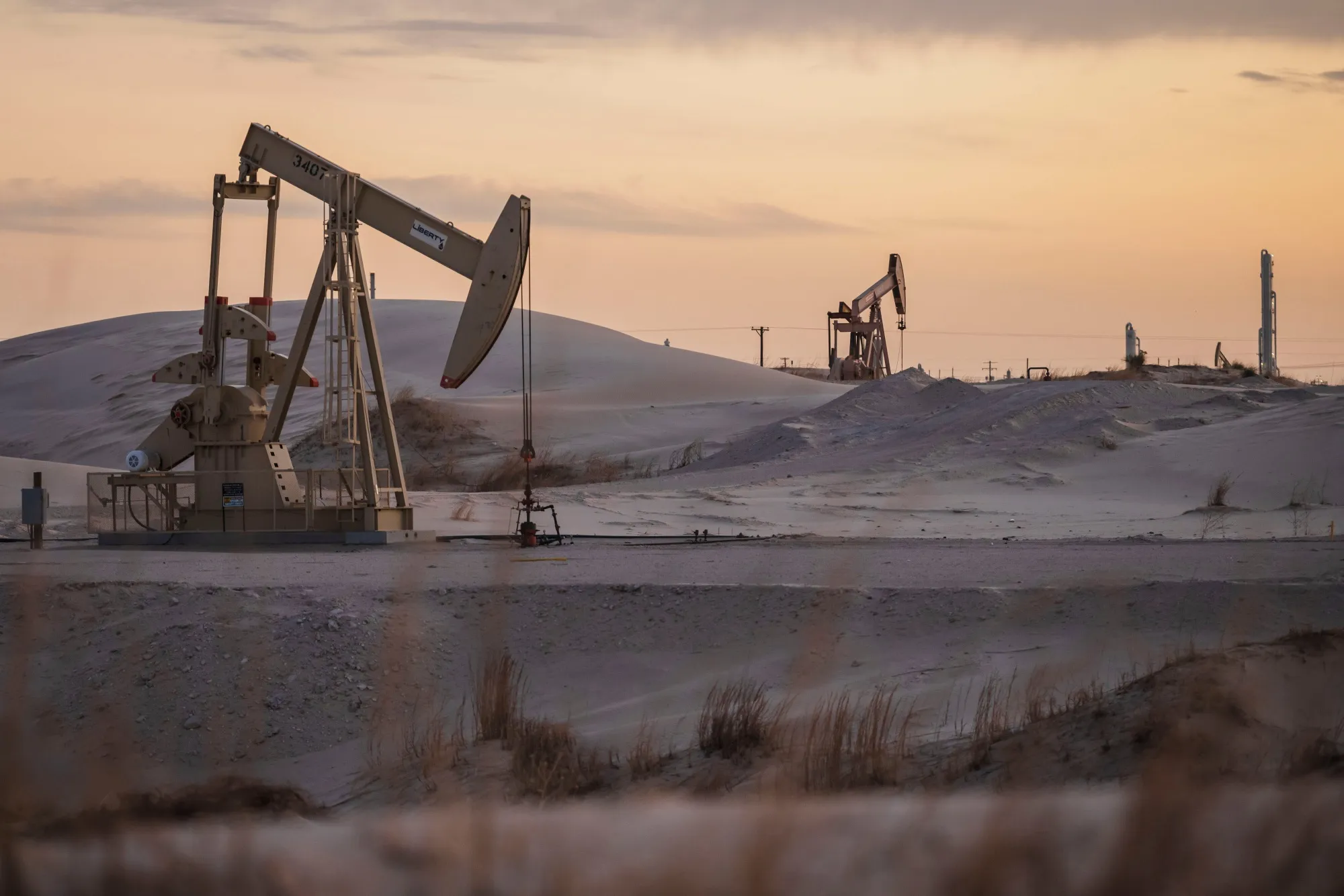
Most domestic producers plan to grow output in the range of 0% to 5% this year – hardly the huge jump in production Trump wants. and are expected to expand production in the Permian Basin of West Texas and southeast New Mexico, the most productive oil drilling region in the US, by about 10% – a rate of growth roughly consistent with recent years.
Growth in the production of crude oil in the continental US is expected to be 165,000 barrels a day this year, according to energy consultant Enverus. That would be a slight bump from last year’s 120,000 barrel-per-day increase.
What are their concerns?
Increases in production directly lower prices if demand isn’t growing at the same pace, and falling oil prices threaten oil companies’ ability to turn even a modest profit.
The US oil shale patch comprises a handful of regions between South Texas and North Dakota with dense, oil-rich rock formations. For years, this expanse was the biggest source of growth in the global crude oil market, stealing market share from Saudi Arabia and the other OPEC countries.
That has now reversed, with OPEC+ returning to growth, and shale production holding relatively flat. US oil producers are less able to add much production without seeing a corresponding drop in prices. The US is already hovering at a near-record output of 13.57 million barrels a day of total oil output as of March 21.
The industry is more concerned with healthy profit margins than ever: In the early days of the US shale boom that started in the early 2010s, companies largely funneled profits into expanding production, but increasingly, they’re under pressure from investors to deliver large shareholder returns instead. Wall Street is looking for returns competitive with the rest of the stock market.
Ryan Lance, chief executive officer at oil giant , said in February that there’s not much that could incentivize his company to drill faster. “I’d say we are drill, baby, drilling,” he told analysts and investors on a conference call.
How is the rest of Trump’s agenda affecting US oil companies?
Trump’s plans to increase tariffs on imports from trading partners all over the world could raise some of US oil companies’ costs for various supplies, including the steel used to line the inside of miles-long oil wells and the heavy crude that US refineries import from Canada to make oil-based products such as gasoline and plastics.
On the other hand, Trump’s on countries that buy oil from Venezuela could have the effect of driving crude prices higher as supply becomes more limited around the world.
Trump has also proposed cutting taxes for the oil industry to encourage more output. However, a analysis suggests a more generous tax deduction on capital expenses wouldn’t necessarily help companies’ bottom line if too many companies ramped up production. A $10-per-barrel drop in crude prices would compress the free cash flow – the cash a company has left after paying for operating expenses and capital expenditures – for a company like by more than a third, according to Scott Gruber, an analyst at Citigroup.
“If the administration is serious about driving U.S. oil production higher in the current environment,” to investors, “we think the conversation around the incentives on offer is just getting started.”
— With assistance from Jennifer A Dlouhy
Share This:
More News Articles