Summary
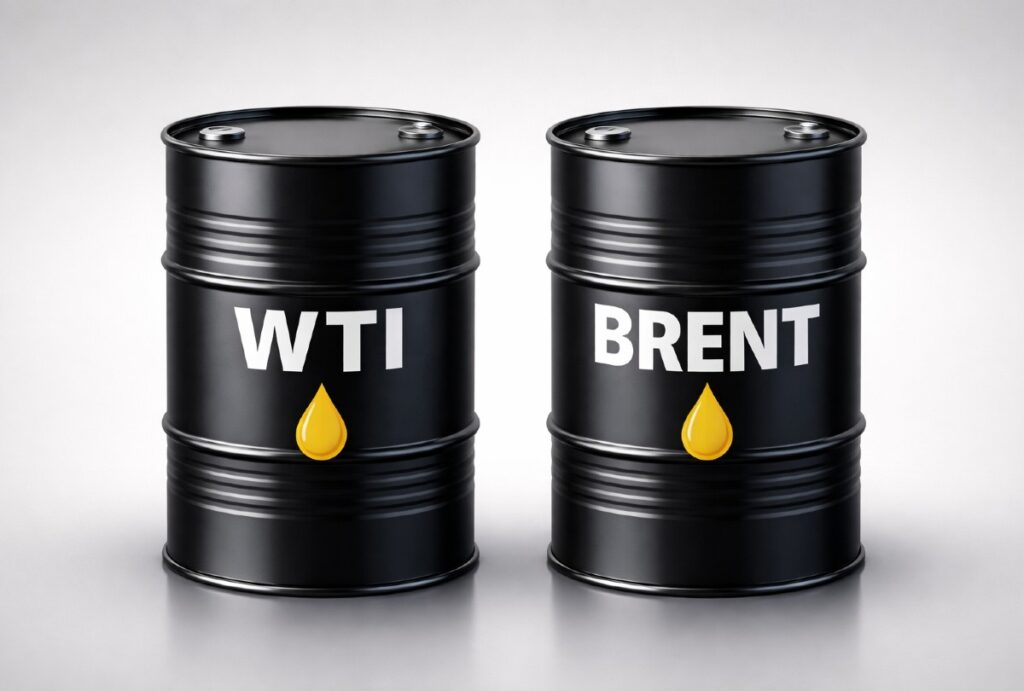
- Brent projected to average $90.44 per barrel in 2026
- WTI projected to average $84.63 per barrel in 2026
(Reuters) – Analysts have increased their 2026 oil price forecasts for the third time since the Iran war began at the end of February, as they cite a months-long timeline for energy flows to normalise to pre-conflict levels, a monthly Reuters poll showed on Friday.
Get the Latest US Focused Energy News Delivered to You! It’s FREE:
The survey of 33 economists and analysts forecast Brent crude would average $90.44 per barrel in 2026, versus $86.38 projected last month. U.S. crude was seen averaging $84.63 per barrel, up from April’s view of $80.07.
The latest forecasts represent increases of about 40% from February estimates of $63.85 for Brent and $60.38 for WTI futures, published a day before the U.S. and Israel struck Iran on February 28.

Brent and WTI have hit four-year highs of over $126.41 and $119.8 respectively since the war began, as the closure of the Strait of Hormuz has caused large-scale disruption of energy supplies. Prices though remain below record highs of more than $147 a barrel reached in 2008.
“There is a low probability of prices reaching new records this year. Even though we forecast prices to continue increasing until July, this increase will be marginal from current high levels,” said Surabhi Menon at EIU in India.
“This is based on the assumption that the war in Iran will remain in its current state (with a ceasefire in place and the Strait of Hormuz closed) until at least end of July.”

Data from Kpler showed that monthly crude oil exports from the Middle East, the world’s largest oil exporting region, have dropped from an average of about 18.3 million barrels per day before the crisis to less than half that level at nearly 8.8 million bpd since March.
“(The disruptions) will last even longer than expected till the trade flows through the Strait of Hormuz may reach pre-crisis levels,” said Thomas Wybierek, analyst at NORD/LB.
“Even for the case of a ceasefire or a kind of a peace contract closed short-term, we do not see the same amount of seaborne oil and gas deliveries in 2026.”
According to analysts polled, the global oil market is in store for a large supply deficit in 2026, with estimates ranging anywhere from 500,000 to 8 million bpd.
The Organization of the Petroleum Exporting Countries (OPEC) in May forecast 1.17 million bpd growth in global oil demand in 2026, down from 1.38 million bpd expected previously, while the U.S. Energy Information Administration said that it expected demand to fall by about 420,000 bpd.
“On demand, the drag is building through weaker macro conditions. Higher prices, softer trade flows, and GDP downgrades are weighing on consumption growth. In effect, the conflict is tightening supply while slowing demand growth,” analysts at Crisil said.

Reporting by Ishaan Arora and Swati Verma in Bengaluru; Editing by Gus Trompiz
Share This:
More News Articles