Borosil Renewables Restructures Operations, Focus Turns to India’s Solar Market

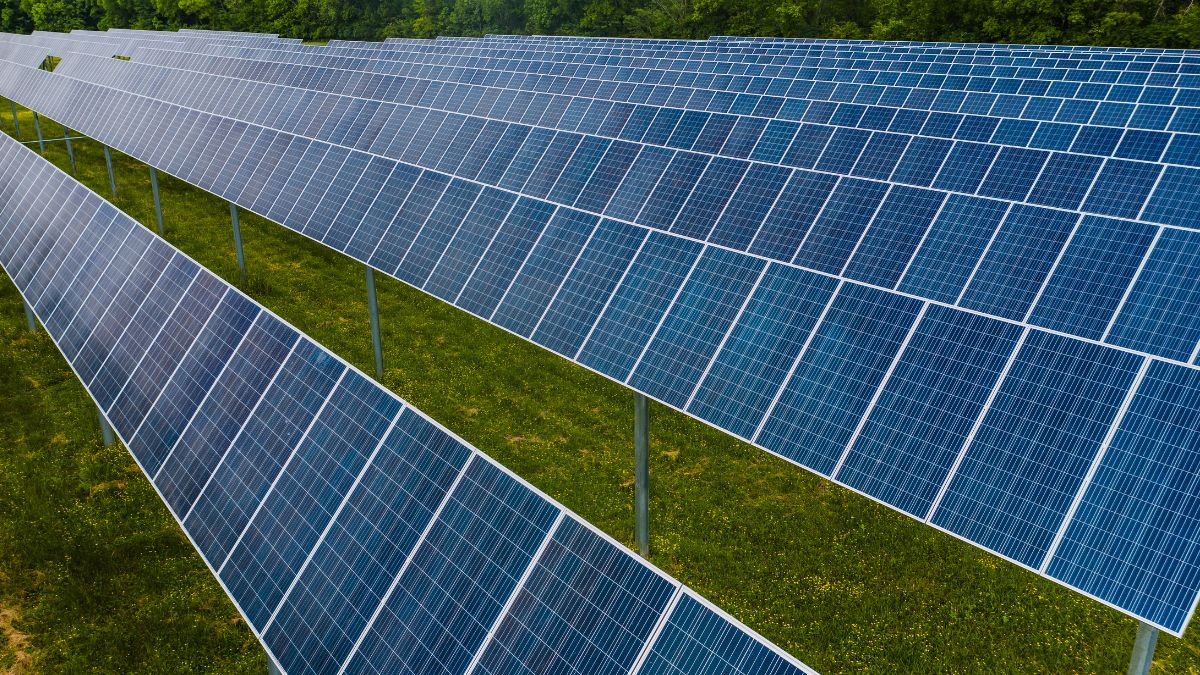
Representational image. Credit: Canva

Borosil Renewables Limited has announced a strategic realignment of its business, placing renewed emphasis on India’s burgeoning solar sector. The move comes in the wake of its German subsidiary, Glasmanufaktur Brandenburg GmbH (GMB), filing for insolvency before the Cottbus court under Germany’s Insolvency Code (InsO).

The company cited adverse market conditions in Europe, particularly a steep decline in demand caused by an influx of low-priced Chinese solar modules, as the primary trigger. As European manufacturers, including major players like Meyer Burger, began exiting the space, demand for solar glass collapsed. Despite providing financial and operational support totaling €27 million, Borosil was incurring losses of approximately €0.9 million monthly through GMB.

Effective July 4, 2025, a court-appointed administrator will oversee GMB’s operations. Borosil will no longer report GMB’s financial losses, which had reached INR 9 crore monthly. As of March 31, 2025, its exposure to the German operations stood at €35.3 million.

Chairman P.K. Kheruka affirmed the company’s renewed commitment to India, stating, “This decision reflects our confidence in India’s solar manufacturing story, where policy support and demand are both robust.”

India’s solar module capacity has already crossed 90 GW and is on track to hit 150 GW by 2027. To meet this demand, Borosil has committed to expanding its domestic manufacturing capacity by 60%—adding 600 tonnes per day (TPD) with two new furnaces and an investment of INR 950 crore.

With the backing of policy measures like anti-dumping duties imposed on imports from China and Vietnam, solar glass prices have surged 28% year-on-year. Borosil plans to leverage these tailwinds to scale operations and continue its leadership in clean energy materials innovation.


 

  • Related Posts

    ib vogt And Airtrunk Launch Malaysia’s First 29.99 MW Solar VPPA For Data Center Under CGPP

    Renewable energy developer ib vogt and hyperscale data center company AirTrunk have officially started commercial operations of a 29.99 MWac solar power project in Malaysia. The project marks the country’s…

    EU Approves €2.5 Billion Modernisation Fund To Accelerate Clean Energy Projects Across 11 Member States

    The European Commission and the European Investment Bank have approved a new funding package worth €2.5 billion under the Modernisation Fund to support clean energy projects across the European Union.…

    Have You Seen?

    Brent Oil Curve Weakens Further as Prompt Supply Glut Swamps Market

    • July 4, 2026
    Brent Oil Curve Weakens Further as Prompt Supply Glut Swamps Market

    What Natural Gas’s Ascendancy Says About the US

    • July 4, 2026
    What Natural Gas’s Ascendancy Says About the US

    Oil Prices Little Changed as US-Iran Peace Efforts Hold

    • July 4, 2026
    Oil Prices Little Changed as US-Iran Peace Efforts Hold

    TotalEnergies Offers Millions of Barrels of Iraqi Crude to Asian Buyers

    • July 4, 2026
    TotalEnergies Offers Millions of Barrels of Iraqi Crude to Asian Buyers

    Americans Hit Road for July 4 Despite High Gasoline Prices

    • July 3, 2026
    Americans Hit Road for July 4 Despite High Gasoline Prices

    Oil Set for Fourth Straight Weekly Loss as Hormuz Flows Return

    • July 3, 2026
    Oil Set for Fourth Straight Weekly Loss as Hormuz Flows Return

    India Denies Directly Exporting Fuel to Russia, But Admits Traders May Be

    • July 3, 2026
    India Denies Directly Exporting Fuel to Russia, But Admits Traders May Be

    Citi: Oil Could Sink to $60 as Hormuz Traffic Normalizes

    • July 3, 2026
    Citi: Oil Could Sink to $60 as Hormuz Traffic Normalizes

    Soaring Imports Push India’s Crude Stocks to Near 1-Year High

    • July 3, 2026
    Soaring Imports Push India’s Crude Stocks to Near 1-Year High

    Japan’s Top Oil Refiner Eyes a Post-Hormuz Future

    • July 3, 2026
    Japan’s Top Oil Refiner Eyes a Post-Hormuz Future