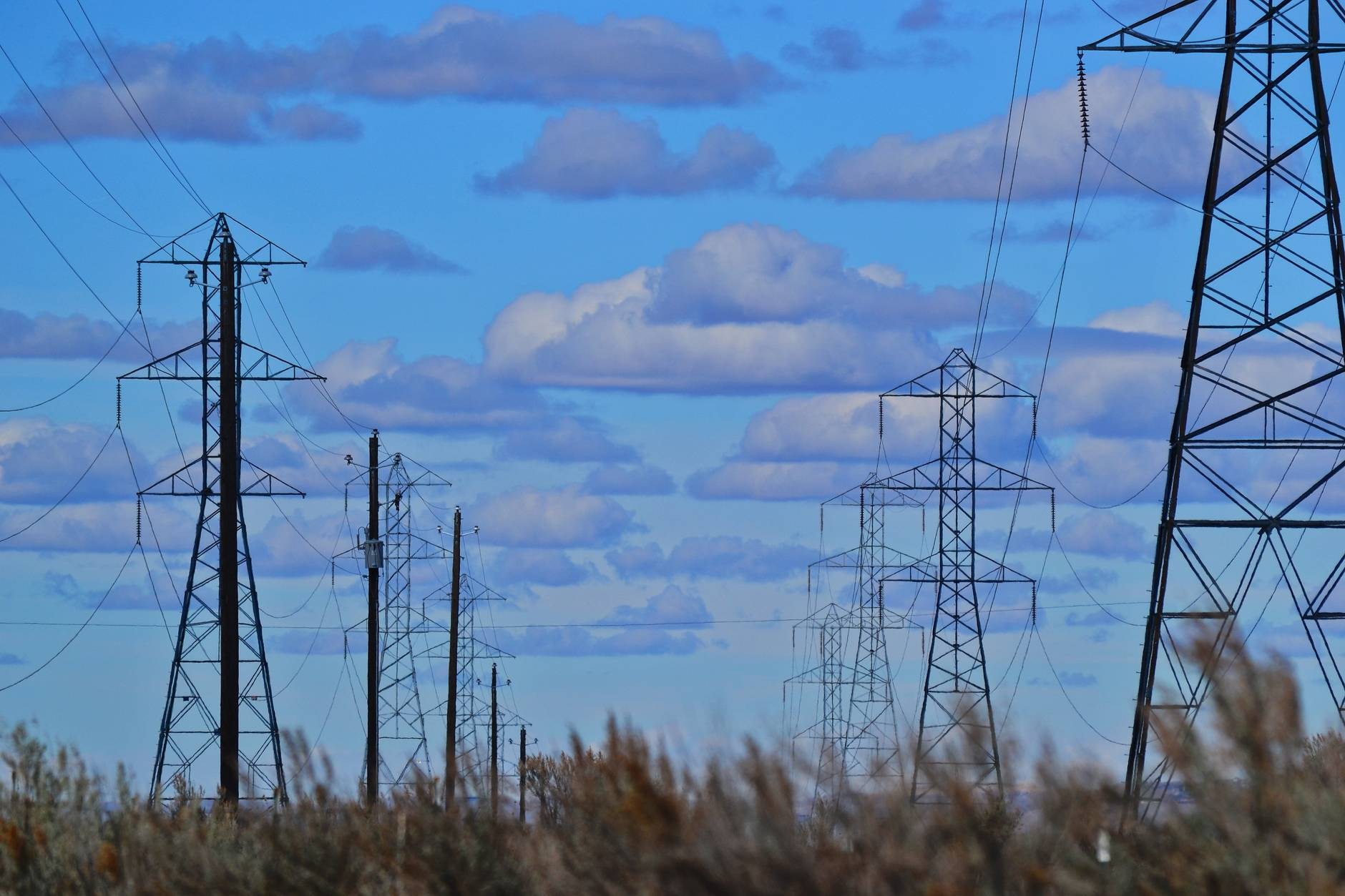
The Central Electricity Authority (CEA) has issued an advisory to state power secretaries and electricity distribution companies (Discoms), asking them to take immediate steps to reduce summer power cuts and load shedding across the country. The advisory highlights that although India has significantly expanded its power generation and transmission capacity over the past decade, many consumers still face frequent electricity disruptions during the summer months.
According to the CEA, these outages are generally not caused by a shortage of electricity generation. Instead, the main reasons lie within the local electricity distribution network. The authority pointed out that overloaded distribution transformers, heavily loaded feeders, inadequate substation capacity, delayed infrastructure upgrades, and insufficient preventive maintenance are among the key factors responsible for power interruptions during periods of high demand.
The advisory also notes that increasing electricity consumption is putting additional pressure on distribution systems. Rapid urbanization, expanding commercial activities, rising agricultural demand, and the growing use of electric vehicle charging infrastructure have all contributed to higher power consumption. In addition, the widespread use of air conditioners during summer has led many consumers to use more electricity than their sanctioned load limits without updating their electricity contracts, making it difficult for utilities to manage peak demand effectively.
To improve preparedness, the CEA has asked Discoms to shift from a reactive approach to a proactive and data-driven strategy. It has directed utilities to carry out detailed capacity assessments of their distribution networks by February every year and complete all major preventive maintenance work before the start of summer in March. Recommended maintenance activities include transformer oil testing, trimming trees near power lines, and identifying potential equipment failures through thermal imaging inspections.
The advisory sets specific operational benchmarks for utilities. Distribution feeders and transformers operating above 80% of their capacity should be closely monitored, while those exceeding 90% loading should be upgraded without delay to prevent failures during peak demand.
The CEA has also encouraged Discoms to make greater use of advanced technologies for better network management. These include smart meters, Geographic Information System (GIS) dashboards, and Outage Management Systems (OMS), which can help utilities forecast demand more accurately and monitor network performance in real time. The authority has further recommended introducing voluntary demand response programmes and Time-of-Day tariffs to encourage commercial and industrial consumers to shift electricity usage away from evening peak hours.
To improve response during equipment failures, the advisory instructs urban distribution circles to maintain mobile distribution transformers that can be deployed quickly to restore power supply. Dedicated Emergency Response Teams (ERTs) equipped with necessary tools, vehicles, and safety equipment should also be stationed strategically for faster restoration work.
On the customer service front, the CEA has directed utilities to establish round-the-clock complaint handling facilities and dedicated Summer Control Rooms managed by senior officers to monitor the power situation and coordinate emergency responses throughout the high-demand season.
For the longer term, covering the next one to three years, the CEA has recommended structural improvements to strengthen distribution infrastructure. These include conducting scientific load flow studies on a regular basis, bifurcating excessively long feeders to reduce overloading, and constructing new substations in rapidly developing areas where electricity demand is increasing.
The authority concluded that most summer load shedding can be prevented if utilities identify vulnerable assets at least six months in advance and complete the required upgrades and maintenance before peak demand arrives. It has also urged state governments and utilities to make these preparedness exercises an annual management practice through regular state-level reviews and monitoring.
Subscribe to get the latest posts sent to your email.