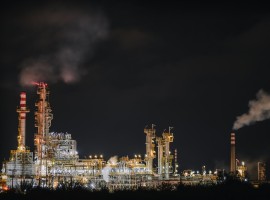
The disruption of Middle Eastern crude supplies through the Strait of Hormuz has forced Chinese refiners to delay or indefinitely postpone 500,000 barrels per day of refining capacity, creating one of the first major downstream impacts of the Iran war outside the Gulf region, Reuters reported on Monday.
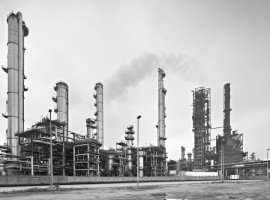
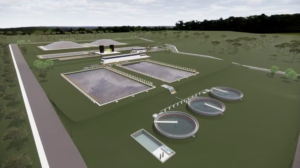
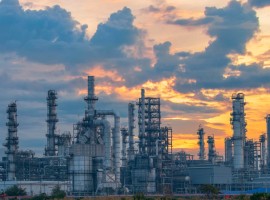
The delays affect a 300,000-bpd refinery being developed by Huajin Aramco Petrochemical Co. in northeastern China and a planned 200,000-bpd restart at PetroChina’s Dalian refinery. Both projects were expected to contribute to China’s refining growth this year but have been pushed back amid uncertainty over crude supplies and deteriorating refining economics.
According to Reuters, startup of the Huajin refinery has been delayed by several months, with consultancy Energy Aspects now expecting the facility to begin operations in the third quarter rather than the second. The project is one of the largest refining investments currently under development in China and is backed by Saudi Aramco, which is expected to supply up to 210,000 barrels per day of crude feedstock under a long-term agreement.
PetroChina has meanwhile indefinitely postponed plans to restart a 200,000-bpd crude processing unit at its Dalian refinery, according to Reuters, which noted that PetroChina has not confirmed the delay. The facility had been shut as part of a broader restructuring effort, with portions of the site previously expected to resume operations this year.
China’s crude imports fell to 6.36 million barrels per day in May from 11.39 million bpd in February, according to Kpler data reported by Reuters, a decline of more than 44%. Refinery throughput, however, remained near 13.5 million bpd, leaving refiners processing more than twice as much crude as the country imported.
The gap has largely been filled by inventories accumulated before the conflict. For more than a year, Chinese buyers purchased discounted barrels from Russia and Iran while building strategic and commercial stockpiles. Analysts estimate those inventories reached roughly 1 billion barrels before the war. China has continued expanding crude storage capacity and was still adding new facilities before hostilities erupted.
By Charles Kennedy for Oilprice.com
More Top Reads From Oilprice.com
- UK Conservatives Blast Labour North Sea Ban as ‘Utter Madness’
- Australia’s 344-Million-Barrel Oilfield Could Finally Get the Green Light
- Israel Hits Iranian Petrochemical Plant as War Escalates