Thursday, 13 March 2025
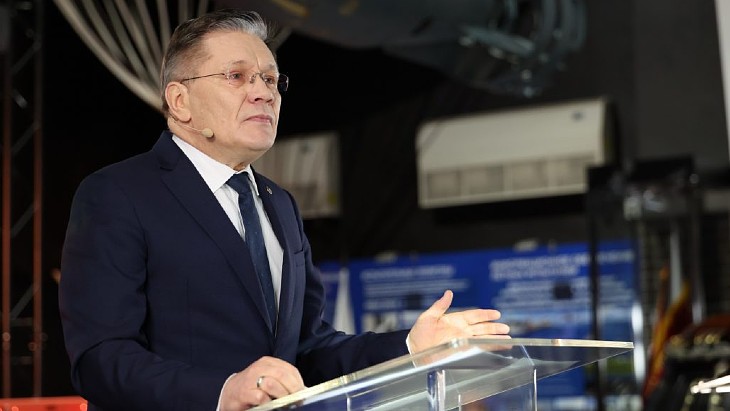
In a speech in Sarov during a Rosatom information day, Alexei Likhachev said that in nuclear energy, the goal was to fulfil the national plan for expanding capacity up to 2042: “We have to build 38 units, including in new regions for us – in Siberia and the Far East. And create a working fourth-generation energy system in Seversk.”
“This year, we need to work out all aspects of the construction of a two-unit station in Primorsky Krai (in Russia’s Far East). This is a direct order from the president. The nuclear power plant (NPP) in Primorsky Krai must be synchronised with the grid as early as 2032. Another task for this year is to pour the first concrete on the fourth unit of Leningrad NPP-2 and put the first unit of Kursk NPP-2 into commercial operation,” he said, in the speech whose text has been published by the company’s magazine .
On the subject of exports and “our leadership in the global market”, he said “we will continue to develop cooperation with the BRICS+ and CIS countries, create alliances and partnerships … the key tasks for this year are to obtain the first kilowatt-hours at the launch sites in Turkey and Bangladesh. We need to begin implementing the contract for the construction of” the small modular reactor nuclear power plant planned in Uzbekistan “and make every effort to obtain contracts for the construction of high-power units”.
He said Rosatom’s aim was to increase productivity by 12% to allow wage growth of 10%, and the goal was an “increase in the quality and effectiveness of investment and project activities. The target level of profitability is at least 26%. The return on investment in projects should exceed the cost of capital, not only borrowed, but also our own. Given the high cost of money, we cannot afford unprofitable projects. Otherwise, we will give all the income to the banks”.
Key achievements for the previous six years were listed, including 5 new units being commissioned in Russia and abroad, construction began of 10 units abroad and 8 nuclear-powered ships were now working on the Northern Sea Route, a number which had doubled between 2018 and 2024.
Looking ahead to the next six years, he said that “it won’t get any easier in the coming years”, with the growing number of projects in nuclear energy and other fields of work.
Likhachev, listing the challenges, said competition in the global market was increasing, and Rosatom “must constantly work to strengthen our leadership, despite economic pressure and sanctions”. He said the international “political situation remains difficult, the world has become extremely unstable, regimes are changing, regional crises are developing”. There was a “shortage of technology and high-tech products on the domestic market” with further development of import substitution required. There was also increased competition in the labour market, especially for specialists, and there were the “difficult economic and financial conditions in which we will have to work – the cost of money is now extremely high. This is the main challenge – to learn to work effectively in conditions of limited resources”.