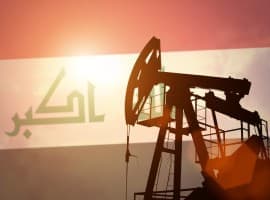
The Kurdistan Regional Government (KRG) in northern Iraq has formalized two major energy agreements with U.S. firms HKN Energy and WesternZagros in Washington, D.C., Kurdish media reported on Monday, in deals valued at a combined $110 billion, despite a legal showdown with the federal government of Iraq over control of the country’s oil exports.
The recent signing of these substantial energy agreements between the KRG and American companies raises questions about the legal and political implications, given the ongoing disputes between Baghdad and Erbil over oil control.
The deals were formalized during KRG Prime Minister Masrour Barzani’s official visit to the United States this week. While specific figures and timelines were not disclosed, both companies are expected to deepen their involvement in Kurdistan’s upstream oil sector.
The central government in Baghdad has previously deemed contracts signed by the KRG without federal approval as illegal. In 2022, Iraq’s Supreme Court ruled the Kurdish oil and gas law unconstitutional, asserting federal authority over oil exports.
Despite these tensions, Washington has been advocating for the resumption of Kurdish oil exports, which have been stalled since March 2023 due to legal disputes and pipeline shutdowns. Washington’s push aims to stabilize global oil markets and reduce Iran’s influence in the region.
The KRG’s move to sign new energy deals without Baghdad’s consent could further complicate negotiations, prompting analysts to speculate as to what the quid pro quo for Baghdad is going to be.
Last week, the Association of the Petroleum Industry of Kurdistan (APIKUR) called for the urgent reopening of the Iraq-Turkey pipeline, which, prior to the dispute, pumped KRG oil to the Turkish port of Ceyhan, bypassing Baghdad and federal regulators. APIKUR spokesman Myles Caggins told Kurdistan24 late last week, “We are urging the Iraqi Minister of Oil to convene all parties immediately after the Arab Summit”.
Three of APIKUR’s eight member companies are U.S.-based and actively engaging both sides in this dispute, attempting to get exports restarted and to address the estimated $1 billion in debt owed to the group’s members.
By Charles Kennedy for Oilprice.com
More Top Reads From Oilprice.com
- Australia Set To Miss Energy Transition Targets
- EOG Goes Desert Wildcatting in UAE Shale Play
- China Coal Production Jumps 3.8% in April