By
47 min ago 3 min read
South Korea is set to develop its first domestic source of green methanol for marine fuel, after EcoMethanol signed a supply memorandum of understanding (MOU) with Wallenius Wilhelmsen and Eukor Car Carriers.
The five-party agreement also involves Taebaek City and Hyundai Corporation, creating what EcoMethanol describes as the first arrangement in Korea to connect production, trading and end use of green methanol within a single supply chain.
Under the agreement, Hyundai will purchase methanol produced at EcoMethanol’s planned facility in Taebaek, Gangwon State, before supplying it to the two vehicle carriers for use as marine fuel.
The project comes as Korea’s maritime fuel market faces a growing supply gap, with Korean shipping companies already using green methanol but relying on imports for the fuel.
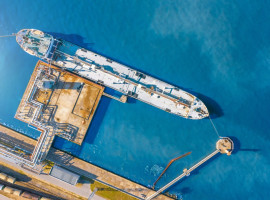
Eukor’s Arctic Tern, for example, loaded around 2,800 tonnes of green methanol in Shanghai in July 2026 before entering commercial service on the Asia-Europe route.
Earlier, HMM’s methanol-fuelled container vessels HMM Greenand HMM Foresttook on 2,900 tonnes and 3,110 tonnes respectively at Yangshan Port in 2025. All of this fuel was produced in China.
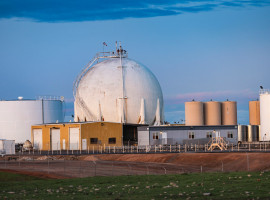
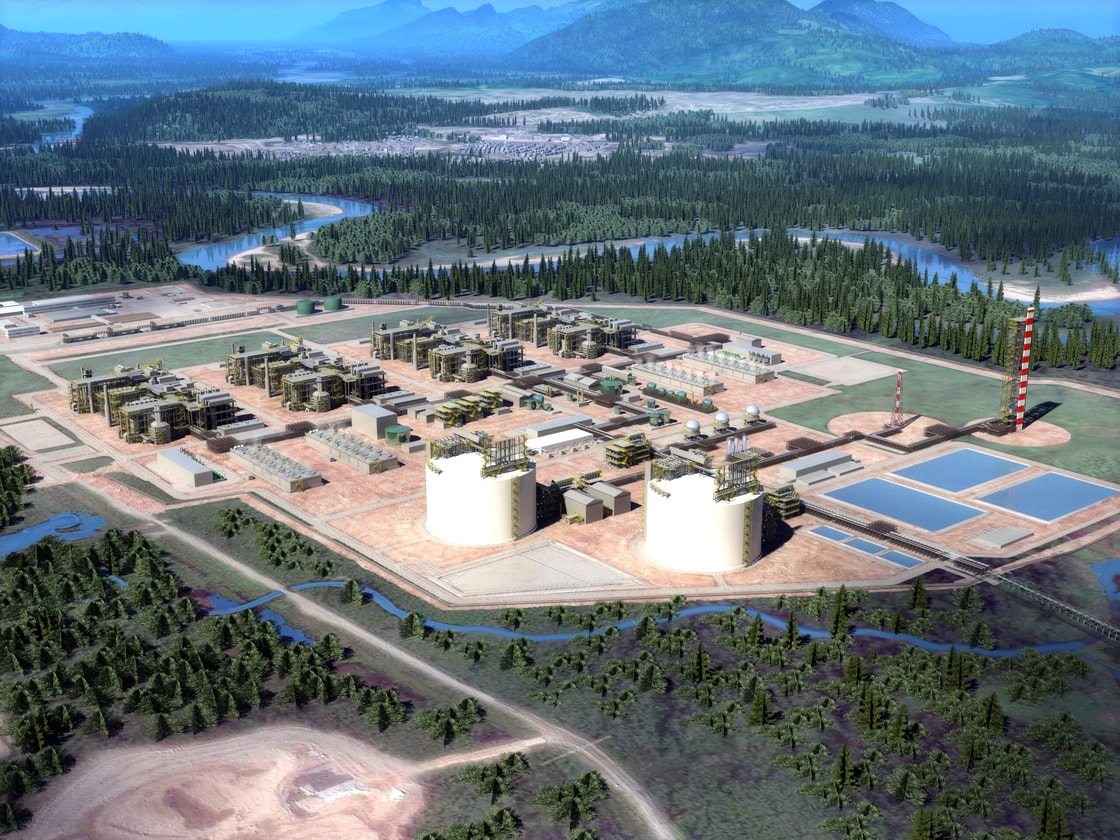
EcoMethanol’s proposed Taebaek plant would instead produce the fuel domestically from forestry residues.
The facility is designed to produce 15,000 tonnes/year of green methanol using dual fluidised bed (DFB) gasification, with total investment put at KRW 120 billion ($86.7m).
EcoMethanol has secured its site at the Dongjeom Industrial Complex, obtained Korea’s integrated environmental permit and completed basic design. Construction is scheduled to begin in December 2026, with commercial production targeted for January 2029.
Building a domestic supply chain
The move comes as regulatory pressure on shipping emissions increases. The EU Emissions Trading System now covers maritime transport, while FuelEU Maritime is in force and the International Maritime Organization is progressing its Net-Zero Framework.
Korea itself consumes around two million tonnes of methanol annually, with most of it imported and produced from fossil feedstocks. Despite Ulsan Port becoming the world’s first port to bunker green methanol to a vessel in 2023, Korea does not currently produce its own green methanol.
EcoMethanol argues that developing local production could therefore help address both the supply and cost challenges facing green marine fuels.
Green methanol remains more expensive than fossil alternatives because the emissions associated with conventional fuels are not yet fully reflected in their price, according to the company. It says a temporary support mechanism will be needed while international carbon regulation develops.
Korea is currently drafting an enforcement decree for its Special Act on Support for the Establishment of Green Shipping Corridors, while a statutory basis for financial support – including a potential Carbon Contract for Difference mechanism for green methanol – is being sought.
EcoMethanol CEO John Kyung said the agreement brings together major players across the emerging supply chain.
“We will work with Taebaek City to make Taebaek a base for zero-carbon energy,” he said, “and to build a model for Korea’s clean shipping and energy industries.”
The plant is expected to employ 36 people locally, with commercial production targeted for January 2029.