(Reuters) – U.S. shale producers have the lowest stock of drilled-but-uncompleted wells on record, limiting their ability to move quickly to boost crude output and replace rapidly depleted oil inventories after exports and refinery processing jumped to plug the shortfall in supply caused by the U.S.-Israeli war on Iran.
Producers in the United States have increased exports to Asia and Europe since the conflict began and Iran effectively shut the Strait of Hormuz, bottling up most Middle Eastern oil supply. That has led to a rapid fall in U.S. stockpiles of oil. U.S. crude inventories fell 12.4 million barrels in the week to May 22 to 806.8 million barrels, according to government data, as exports and refinery intake surged to push stocks to their lowest since January 2025. Stocks are down 52 million barrels since the start of the war.
Get the Latest US Focused Energy News Delivered to You! It’s FREE:
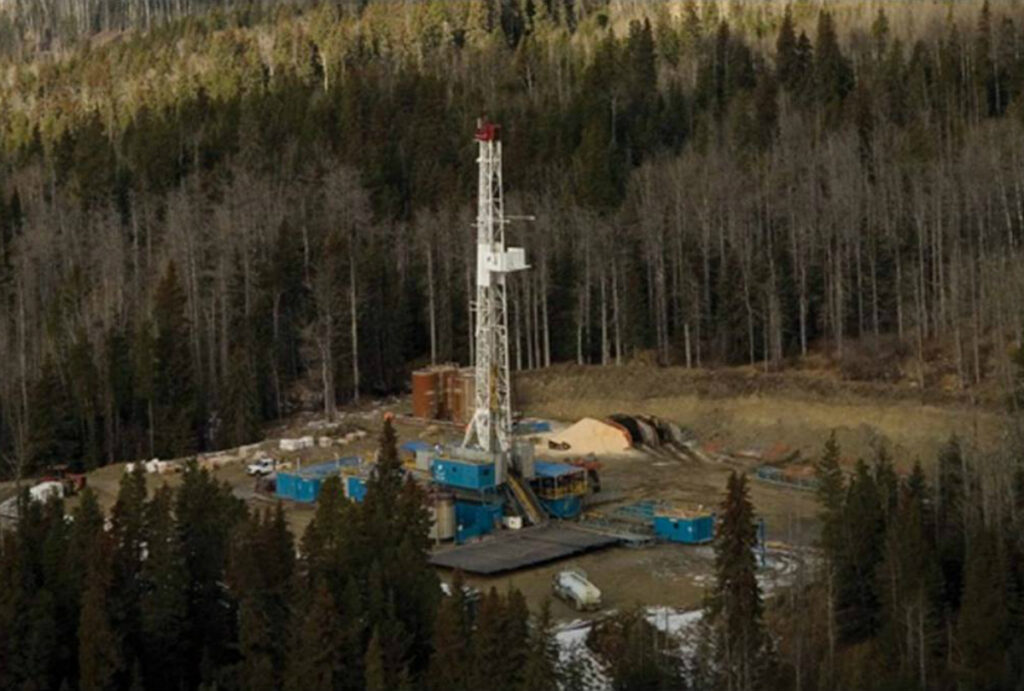
Shale’s short production cycle means wells can be turned on and off quickly. Drilled-but-uncompleted wells, known as DUCs, are among the fastest ways to raise output, with production coming online in six to nine weeks, compared with three to nine months for new wells. “I anticipate that oil-focused independent operators with meaningful DUC inventories will draw them down at a record pace over the coming months,” said Linhua Guan, CEO of Surge Energy, one of the largest private producers in the Midland Basin.
The U.S. Energy Information Administration estimates there were about 4,972 DUCs in April, the lowest on record in data going back to 2013, after 14 consecutive months of decline in DUC counts due to completions. Operators last year completed a lot of previously drilled wells to reduce the amount of money spent as oil prices were weak at around $65 a barrel for 2025. While drilling and completing a well can cost between $8 million and $10 million, completing a previously drilled well can be done for between $5 million and $6 million, analysts said.
“While DUCs would typically be completed quickly to bring production online to capitalize on high prices, this was largely unfeasible due to low counts,” said Matthew Bernstein, VP of North America Oil and Gas at consultancy Rystad.
Consultancy Enverus estimated DUCs of 3,866 in April after excluding wells that were drilled more than two years ago which they believe are unlikely to ever be completed. Some drilled wells are never completed due to energy infrastructure constraints such as limited pipeline connectivity, problems with reservoir casing and cement, or different priorities under new ownership following a wave of M&A activity in recent years, according to consultancy Novi Labs.
“This shock absorber is meant to buffer quarter-over-quarter changes, but it’s not something you can just draw down for six quarters in a row without consequences,” said Brandon Myers, head of research at Novi Labs. DUCs are often viewed as a shock absorber as they can be used to bring production online quickly.
U.S. producer Diamondback Energy raised its 2026 production forecast and plans to draw down its DUC inventory in the second quarter, running five completion crews while also adding two to three rigs over the remainder of the year, CEO Kaes Van’t Hof said earlier this month.
The number of crews performing hydraulic fracturing operations nationwide is currently at 189 after rising for five straight weeks, and is up by 21% compared with the start of the year, according to energy consultancy Primary Vision.
The EIA revised up its 2026 U.S. crude production forecast in May to 13.65 million bpd, compared with 13.51 million bpd it had projected in April.
The number of DUCs in the Permian Basin, which accounts for almost half of U.S. production, has fallen to 540 in May, down from 609 in February before the war started, Rystad said.
DUC COUNT SET TO START GROWING
As oil prices for future months rise, however, operators are already picking up more rigs to replenish their DUC inventory, according to analysts. U.S. crude futures for November delivery, when new wells would start producing, were trading at about $78 a barrel on Friday, around levels operators require to commit to drilling.
Enverus said it saw a slight uptick in the DUC count in the last three weeks, surpassing 4,100 DUCs by May 20 after it bottomed out to just below 4,000.
ConocoPhillips will be adding a rig this year to keep pace with completion efficiencies, CFO Andy O’Brien said during the company earnings in April. Patterson-UTI, one of the largest U.S. onshore drilling contractors, expects to add five active rigs in the second half of 2026, ending the year with 100 active rigs, the company said in a May investor presentation.
The U.S. onshore oil rig count has risen for four straight weeks, reaching 425 in the week to May 22, according to Baker Hughes, its highest since July 2025.
“We are experiencing an uptick in conversations with customers about rig adds starting this summer,” drilling contractor Precision Drilling CEO Carey Ford said.
Reporting by Georgina McCartney and Arathy Somasekhar in Houston; Editing by Andrea Ricci
Share This:
More News Articles