India’s renewable energy sector continues to witness strong growth as the country rapidly expands its clean energy capacity. By the end of the first half of 2026, India’s total installed solar and wind power capacity had reached around 219 GW, accounting for nearly 92.8% of the country’s total renewable energy capacity, excluding large hydro. The latest figures highlight the dominant role of solar and wind energy in India’s transition towards a low-carbon electricity system and reinforce the country’s commitment to achieving its long-term renewable energy targets.
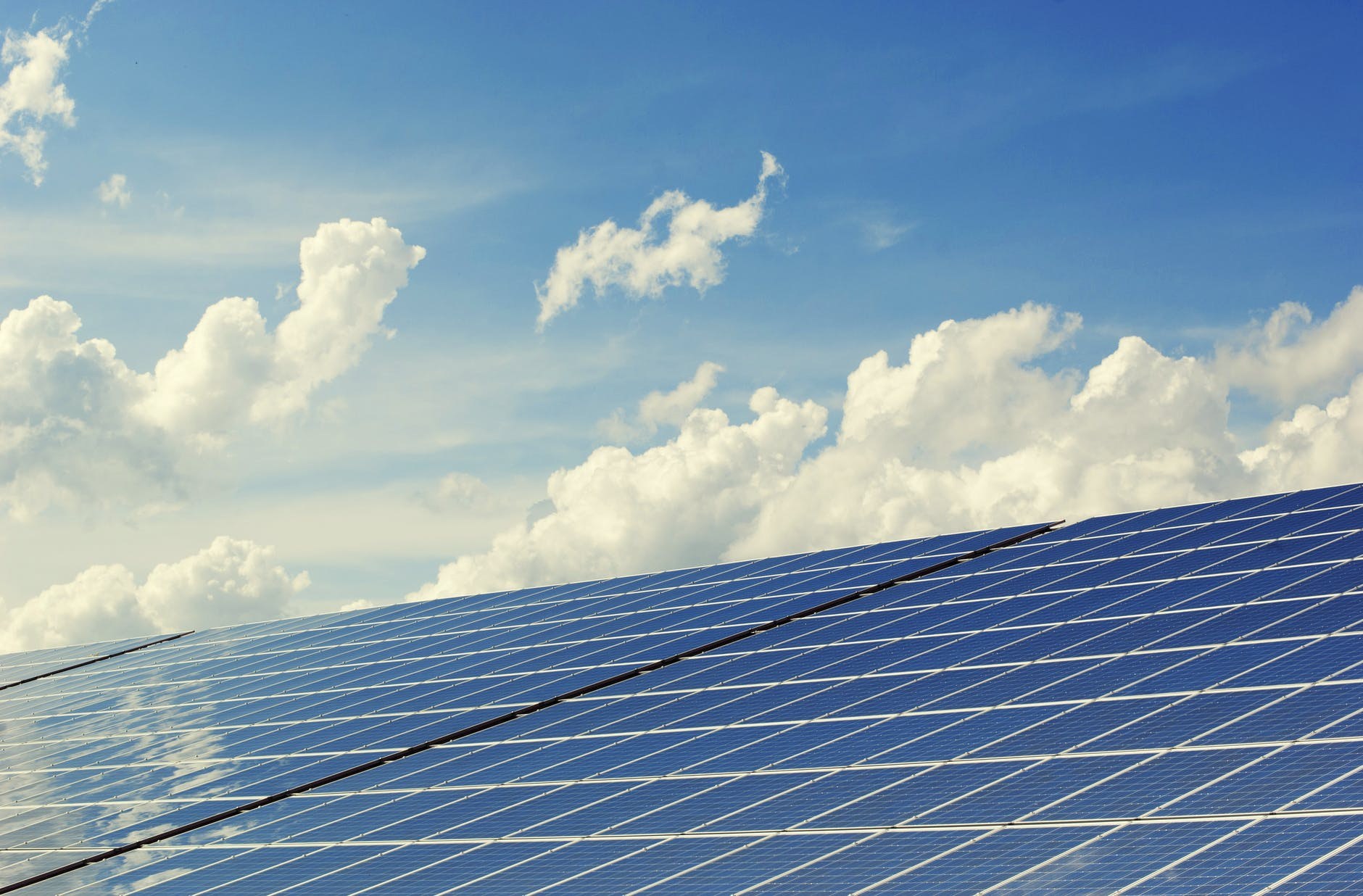
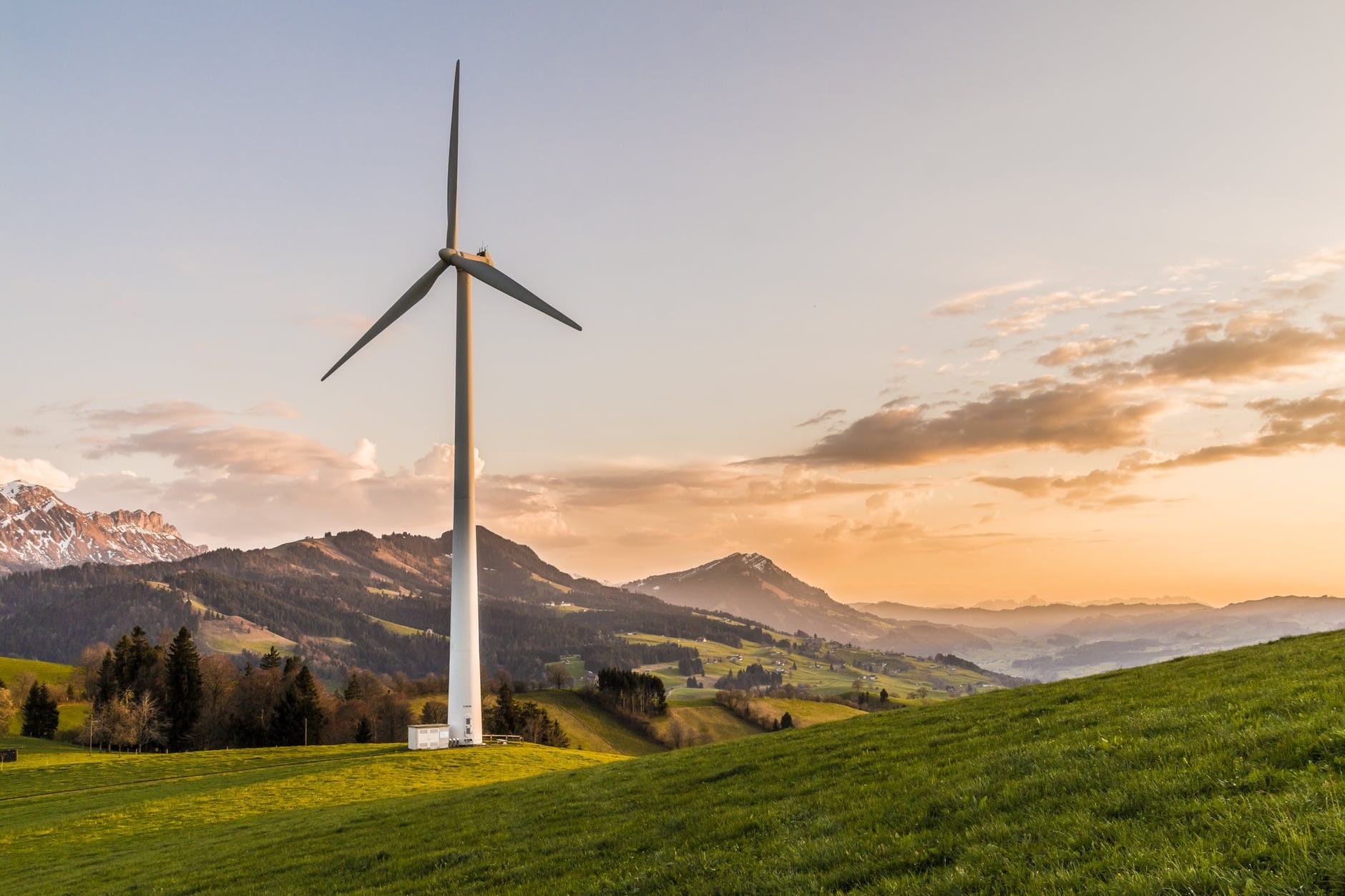
Solar energy remains the largest contributor to India’s renewable energy portfolio. Out of the combined 219 GW of installed solar and wind capacity, solar accounts for about 162 GW, representing nearly 74% of the total. Wind energy contributes approximately 26%, with an installed capacity of around 55 GW. The rapid expansion of utility-scale solar parks, rooftop solar systems, and supportive government policies has enabled solar power to become the backbone of India’s renewable energy sector.
Among all states, Gujarat has emerged as the country’s leading renewable energy state in terms of combined solar and wind installations. The state has an installed capacity of 49,306 MW, including 16,086.66 MW of wind power and 33,220.04 MW of solar capacity. Gujarat alone contributes more than 22% of India’s total installed wind and solar capacity. Its strong policy support, favourable investment environment, extensive transmission infrastructure, and availability of large tracts of land have played a significant role in driving this growth.
Rajasthan closely follows Gujarat with a combined installed capacity of 48,833.85 MW. The state has established itself as India’s largest solar power producer with an impressive 43,317.81 MW of installed solar capacity, supported by its vast desert landscape and high solar radiation levels. Wind energy contributes another 5,516.04 MW, making Rajasthan one of the country’s most important renewable energy hubs. Together, Gujarat and Rajasthan account for nearly 45% of India’s total installed wind and solar capacity.
Several other states continue to make significant contributions to the country’s renewable energy expansion. Maharashtra ranks third with a combined capacity of 26,631.08 MW, followed closely by Tamil Nadu with 26,395.15 MW. While Maharashtra’s portfolio is dominated by solar power, Tamil Nadu maintains a balanced mix of both wind and solar installations. Karnataka has also built a strong renewable energy base with 20,431.38 MW of installed capacity, while Andhra Pradesh and Madhya Pradesh have crossed 12,500 MW and 10,000 MW, respectively.
The latest capacity figures demonstrate how different regions are leveraging their natural resources to support India’s clean energy ambitions. Western states such as Gujarat and Rajasthan continue to dominate solar deployment, while southern states including Tamil Nadu and Karnataka have successfully developed both wind and solar resources. As investments continue to grow and new projects come online, India’s renewable energy sector is expected to play an even greater role in strengthening energy security, reducing carbon emissions, and supporting sustainable economic growth.

Subscribe to get the latest posts sent to your email.