Türkiye added 4.7 gigawatts of solar capacity in 2025, bringing the country’s total installed solar power close to 25 GW. According to data from Türkiye’s national transmission system operator TEİAŞ, 4,694 MW of new solar capacity was deployed last year. Although this is lower than the record installations of 2024, it still reflects strong growth for the Turkish solar market, particularly in the commercial and industrial sectors.
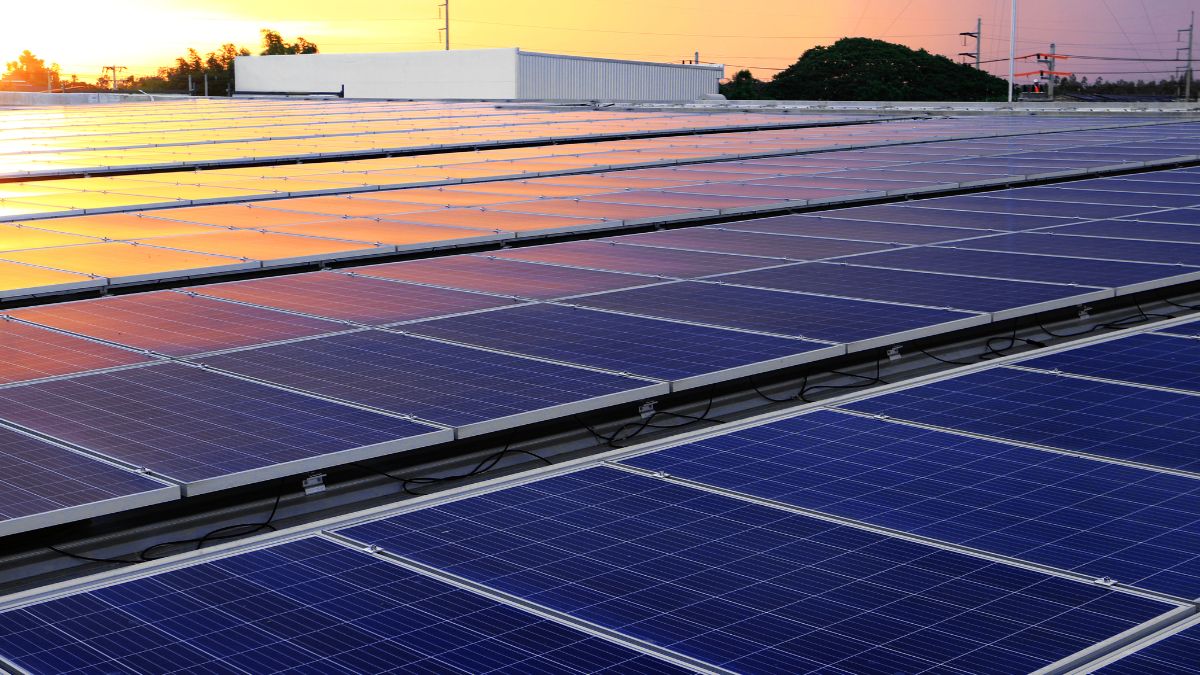
The majority of new solar installations were unlicensed power plants producing electricity for self-consumption. These contributed 4,175 MW in 2025, bringing the total unlicensed solar capacity in the country to 22,255 MW. Residential solar installations made up only a small portion of this growth, with most new capacity coming from the commercial and industrial segment.
An important factor driving self-consumption projects in 2025 was a policy mechanism allowing solar power plants to be located separately from their consumption points. This arrangement enabled businesses to deploy solar systems without being physically tied to where electricity was used. However, in the last quarter of 2025, TEİAŞ indicated that projects located at the same site as consumption would now be prioritized, signaling a shift in policy focus for future installations.
Licensed solar power plants accounted for 521 MW of new capacity in 2025, raising the total licensed solar capacity to 2,540 MW. Analysts expect licensed installations to gain momentum in 2026 due to project pipelines from previous Renewable Energy Resource Zone (YEKA) tenders, which represent over 2 GW of capacity, as well as solar projects connected to storage systems, of which about 15 GW have received preliminary licenses.
The growth of solar power in Türkiye is also being supported by the introduction of floating solar projects. The framework for floating PV was finalized in December 2025, and the country’s most recent renewable energy tender included a floating solar project for the first time. Analysts believe that while licensed solar projects may see increased additions in the coming year, unlicensed self-consumption projects will remain the main driver of growth.
To further support the solar market, experts suggest reducing bureaucratic obstacles for residential solar systems. Estimates indicate that Türkiye has at least 120 GW of rooftop solar potential, which could significantly contribute to the country’s clean energy transition if barriers are eased. Changes to net metering policies are also recommended. After switching from monthly to hourly net metering in 2025, annual net metering could provide more flexibility for residential and small-scale producers. Adjustments to grid distribution fees are suggested to avoid double charges when electricity is sold back to the grid, which could improve the financial viability of rooftop and small-scale solar projects.
Overall, Türkiye’s solar sector continues to expand rapidly, driven by commercial and industrial self-consumption projects, supportive policies, and emerging technologies such as floating PV. With motivated investors and continued policy improvements, the country is expected to see steady growth in solar capacity in the coming years.
Subscribe to get the latest posts sent to your email.