The United Arab Emirates (UAE) has officially withdrawn from the Organization of Arab Petroleum Exporting Countries (OAPEC), following the country’s landmark decision to exit OPEC and the broader OPEC+ alliance.
“While it appreciates the role played by the UAE throughout its membership period and its active contribution to supporting joint Arab action in the petroleum and energy sector, the General Secretariat of OAPEC affirms at the same time its commitment to continuing its efforts to enhance co-operation and integration among member states in a way that serves common interests through the implementation of its strategic programmes and initiatives,” OAPEC stated via its X account.
OAPEC does not impose production quotas, so the exit is not about immediate supply limits. Abu Dhabi is removing itself from a regional framework it no longer sees as necessary while it increases output capacity and controls export policy on its own terms.
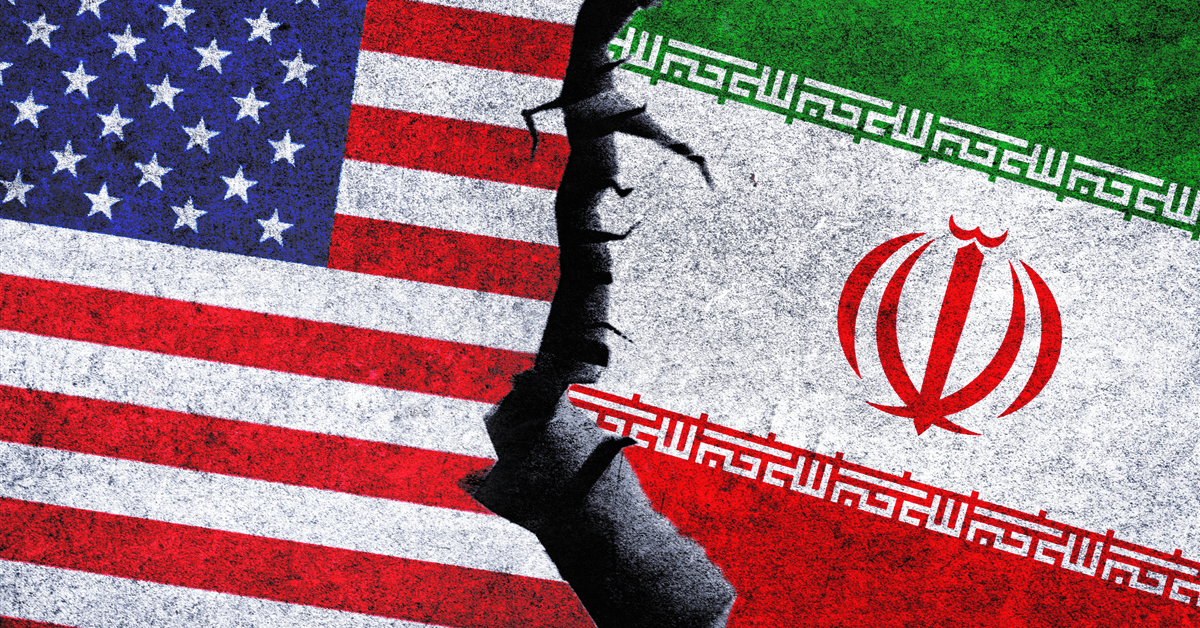
The break follows tensions with Saudi Arabia and dissatisfaction with how the group handled Iranian attacks during the conflict. Abu Dhabi faced direct security risks while still operating under cartel policies outside its control.
In a Monday statement, UAE Energy Minister Suhail Mohamed al-Mazrouei told Reuters in a telephone interview that the decision was in the national economic interest.
“This is a policy decision, it has been done after a careful look at current and future policies related to level of production,” Mazrouei said.
Monica Malik, chief economist at ADCB, told Reuters that the UAE’s cartel exit would benefit the consumers, stating, “This opens the door for the UAE to gain global market share when the geopolitical situation normalises”.
The Emirati’s state-run ADNOC has expanded capacity toward 5 million barrels per day, and the government is pushing to reach that level by 2027, which was hindered by OPEC quotas.
The UAE’s long-term economic vision includes a $150 billion capital expenditure plan through ADNOC to accelerate energy growth. Remaining in OPEC would have forced it to continue adhering to production quotas that kept its output significantly below this potential.
With global oil demand expected to peak, the UAE aims to monetize its reserves as quickly as possible before the world transitions further toward renewables. That said, the UAE’s economy is increasingly diversified, with non-oil sectors accounting for over 70% of its GDP. Its sovereign wealth funds (SWFs) collectively manage nearly $3 trillion in assets, with the financial cushion allowing it to prioritize global economic growth over high oil prices.
By Alex Kimani for Oilprice.com
More Top Reads From Oilprice.com
- China Orders Refiners to Ignore U.S. Sanctions on Key Iranian Oil Buyers
- Equinor Signs $1.8 Billion in Drilling Deals to Keep Oil and Gas Output High
- Repsol Set to Sell 49% in Spanish Renewables Portfolio to UAE’s Masdar