By
35 min ago 3 min read
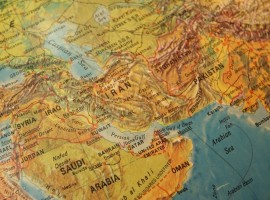
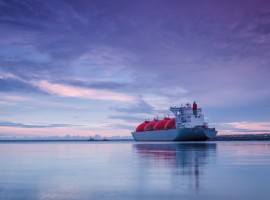
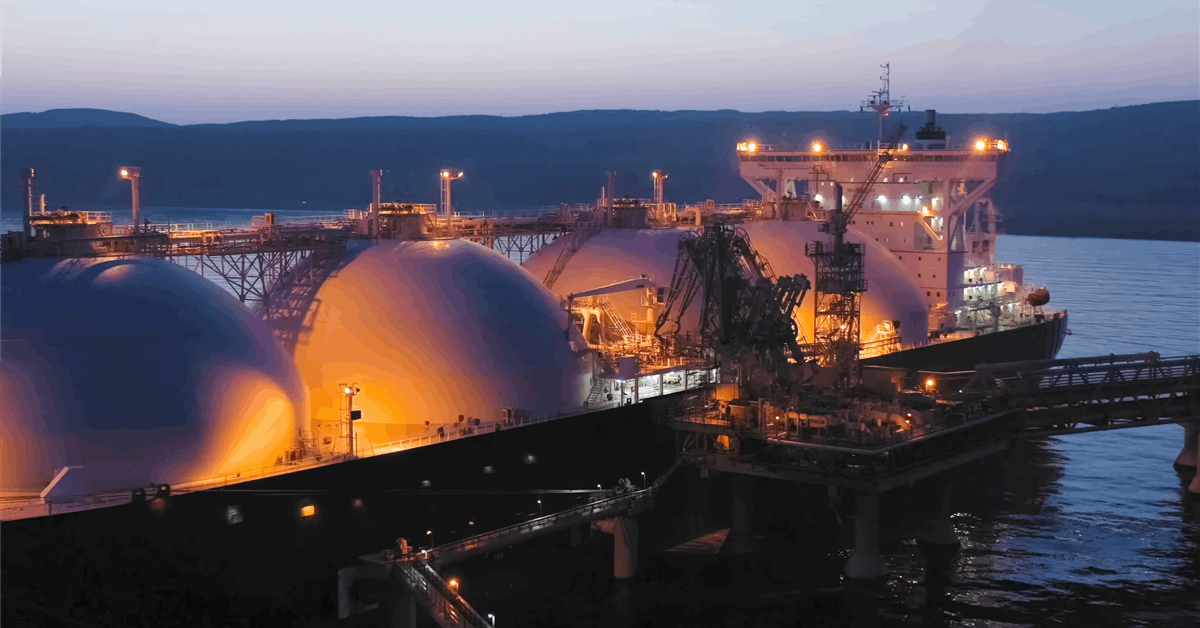
Ongoing shipping disruption in and around the Strait of Hormuz – coupled with threats of renewed hostilities in the Gulf – has caused QatarEnergy to extend its force majeure on LNG supply to mid-June, according to Bloomberg.
It is the latest significant indication of global LNG markets being disrupted into summer. QatarEnergy has been contacted for comment.
Reduced supply into the coming season presents threats to energy security, elevated energy prices and volatility, the prospect of disrupted European storage refills, and demand destruction in developing markets.
Other impacts include reduced industrial activity, long-term price pressures, increased competition for supplies between regions, and potentially power generation shortfalls, particularly in Asia.
Unnic LNG Solutions, a Mumbai-based operations consultancy, said the extended Hormuz blockade is driving a permanent structural regime change across global energy markets. Asian LNG spot prices have risen over $20 mmbtu.
“QatarEnergy’s extended force majeure has shattered traditional supply models, forcing buyers to execute radical infrastructure pivots to secure proximate resilience,” it said.
Energy alternative asset manager Kimmeridge agrees the global narrative has changed “and not in a subtle way”.
“The long-anticipated glut [in LNG supply] is no longer the base case,” it states.
“We are already seeing a shift in behaviour – large buyers re-engaging, prioritising security of supply over timing optionality … the takeaway is straightforward: as supply tightens, the value shifts to projects that are real, executable, and on a clear path to delivery. When fragility is exposed, markets don’t adjust gradually – they reset.”
QatarEnergy initially declared force majeure to its affected buyers shortly after the conflict began, on 4 March. A week later, on its LNG supply contracts for cargoes sourced from QatarEnergy.
Then on 19 March, it announced damage from will cost about $20bn a year in lost revenue and take up to five years to repair, impacting supply to markets in Europe and Asia.
The attacks damaged Trains 4 and 6 totalling 12.8 million tons per annum of production, representing approximately 17% of Qatar’s exports. Train 4 is a joint venture between QatarEnergy (66%) and ExxonMobil (34%), and Train 6 is a joint venture between QatarEnergy (70%) and ExxonMobil (30%).
The company said it values its relationships with all of its stakeholders “and will continue to communicate the latest available information”.