The World Bank has approved an $800-million loan to help the Philippines accelerate its transition to clean energy, enhance climate resilience, and improve competition in the electricity market. This funding is part of the country’s broader strategy to achieve energy security, reduce reliance on imported fuels, and mitigate environmental risks.
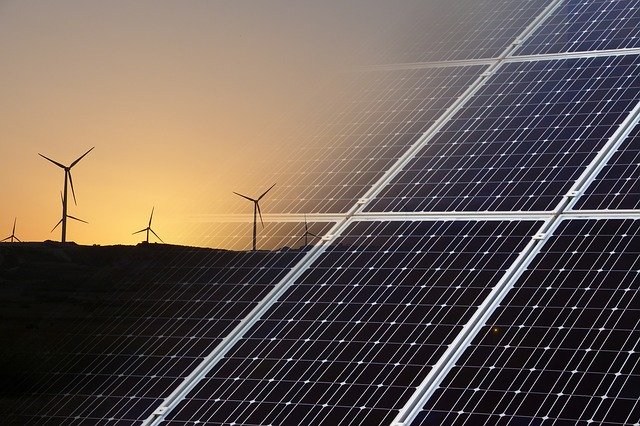
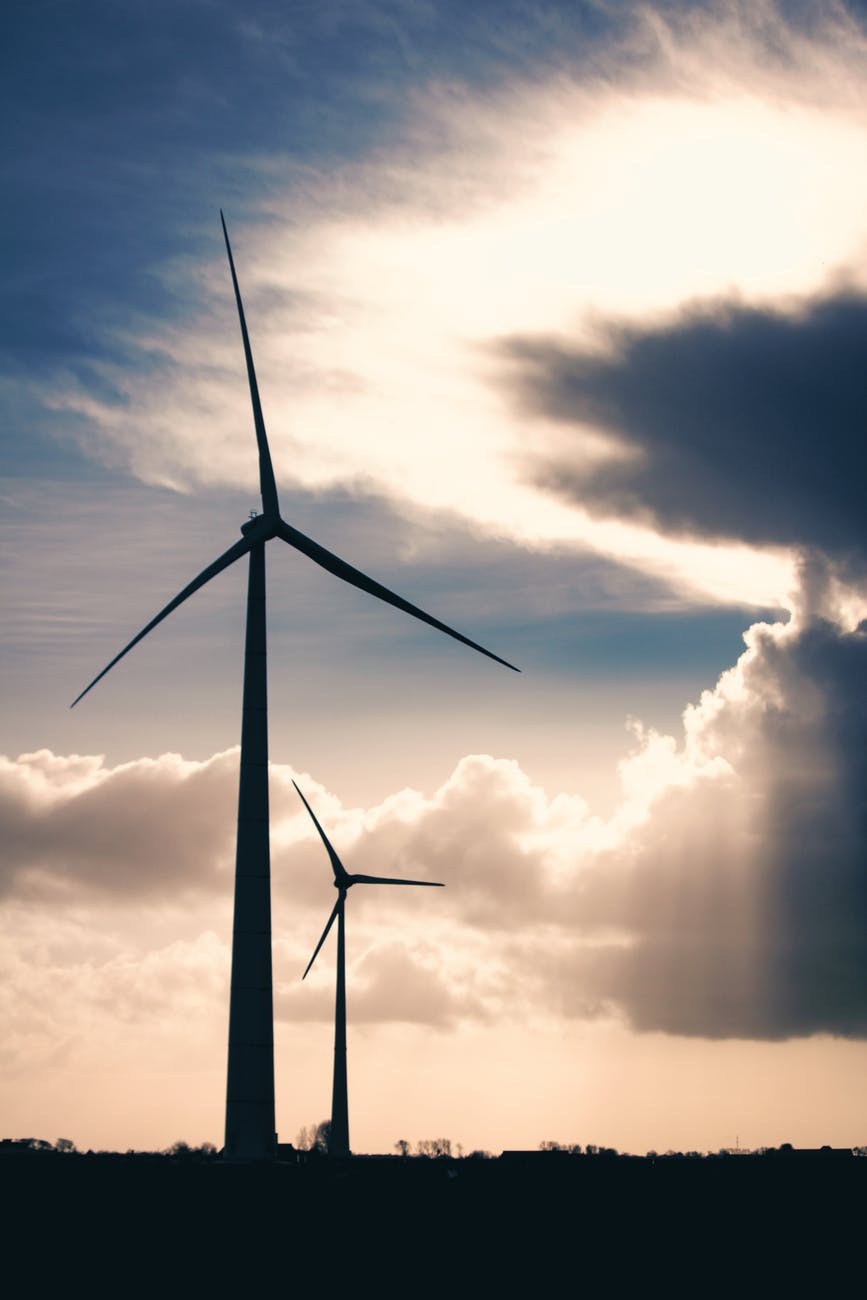
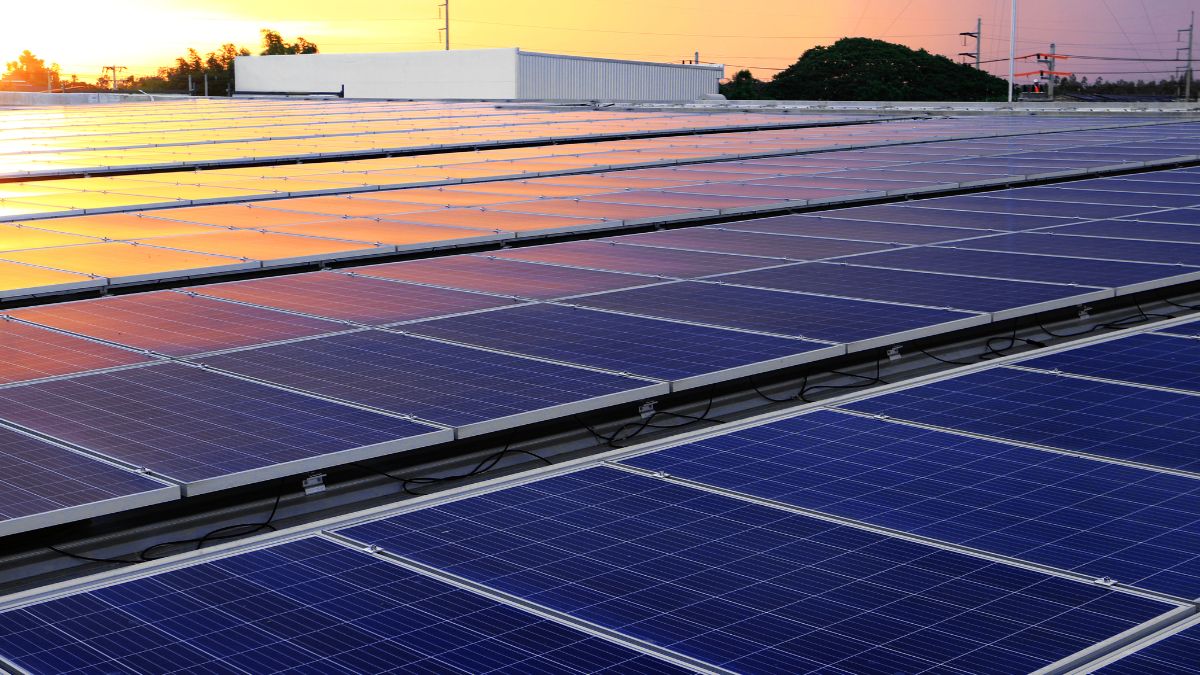
The First Energy Transition and Climate Resilience Development Policy Loan aims to increase the share of renewable energy in the Philippines’ total installed power generation capacity from 30% in 2023 to 42% by 2027. A key focus of this initiative is the procurement of 1,000 megawatts of offshore wind capacity, alongside the implementation of energy efficiency programs and the adoption of electric vehicles in the public sector.
Beyond energy sector reforms, the loan will also support policies for improved water resource management and sanitation, ensuring better coordination between national and local governments.
Despite the Philippines’ post-pandemic economic recovery, the country continues to face challenges, including rising dependence on imported energy, high electricity costs, and vulnerability to climate-related disasters. These issues highlight the urgency of transitioning to a more sustainable and self-sufficient energy system.
Zafer Mustafaoglu, the World Bank’s director for the Philippines, Malaysia, and Brunei, emphasized that prioritizing renewable energy sources and efficiency measures will be key to lowering electricity costs, improving energy security, and reducing environmental impact.
“Using more affordable renewable energy in the energy and transport sectors is crucial for the Philippines to build a strong economy,” Mustafaoglu stated.
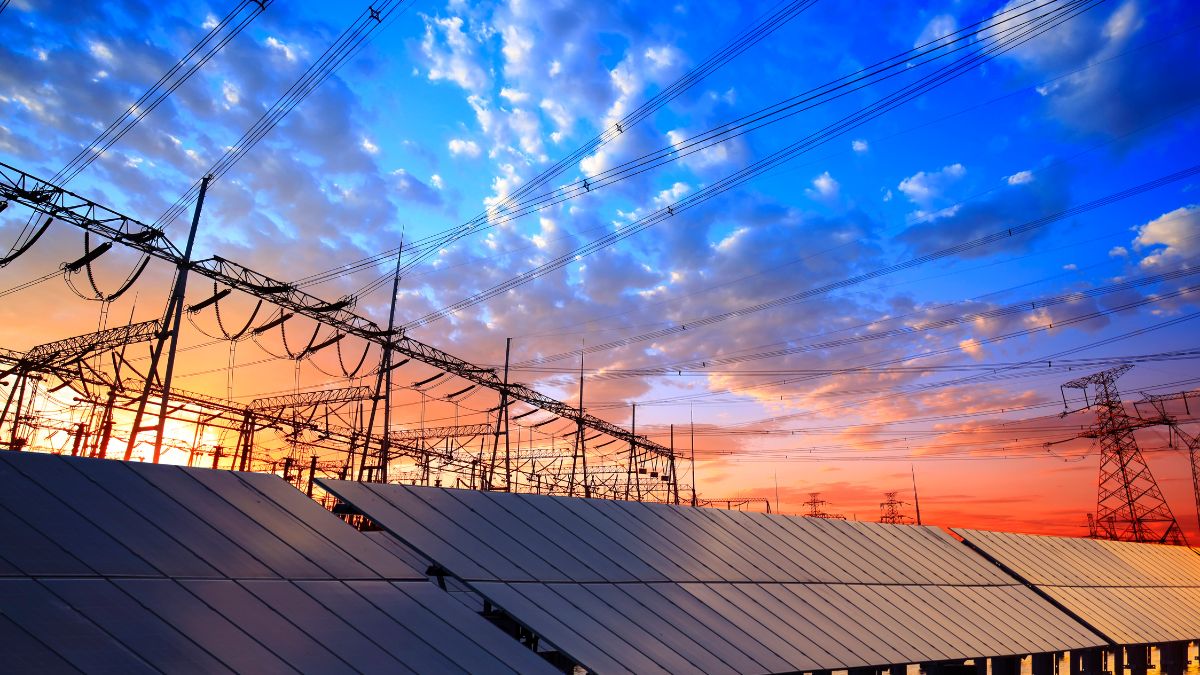
The World Bank sees policy reforms as essential to making electricity more accessible and reliable for Filipino households and businesses. Feng Liu, a senior energy specialist at the World Bank, highlighted the importance of improving the country’s power grid capacity and increasing market competition to drive down costs.
“These reforms can help lower power supply costs and improve the reliability and resilience of the power system, thereby making electricity more affordable for Filipino households and businesses,” Liu explained.
With this financial support, the Philippines is taking a significant step toward achieving energy independence and sustainability, reinforcing its position as a regional leader in the clean energy transition.