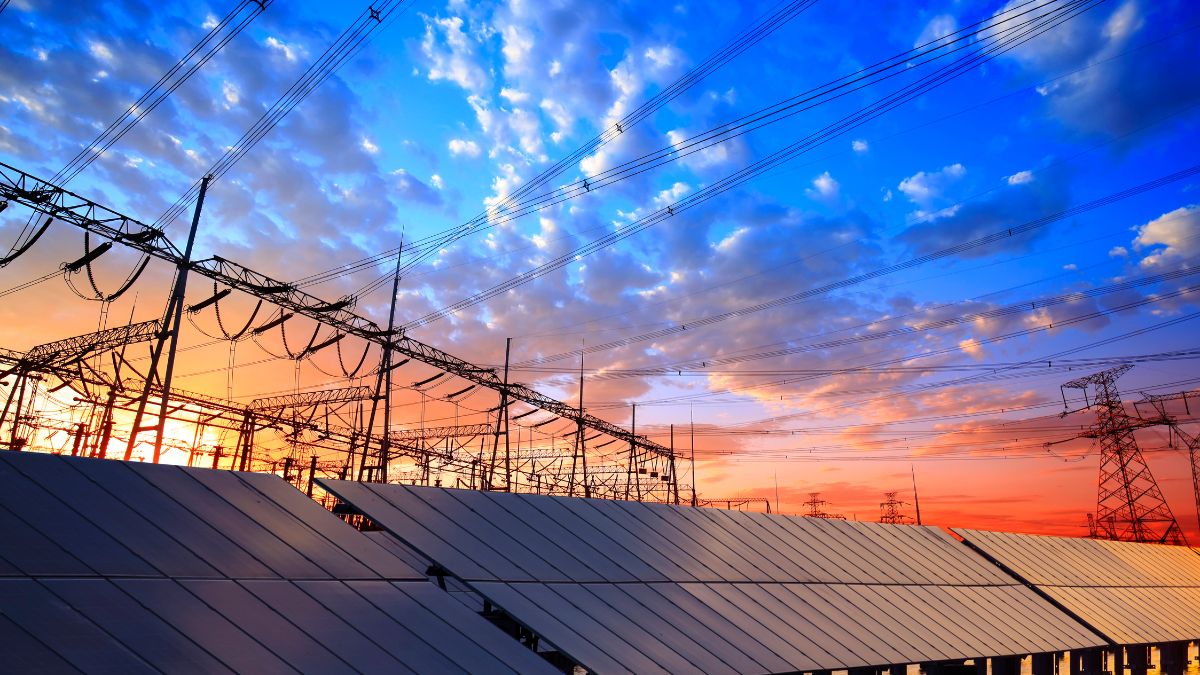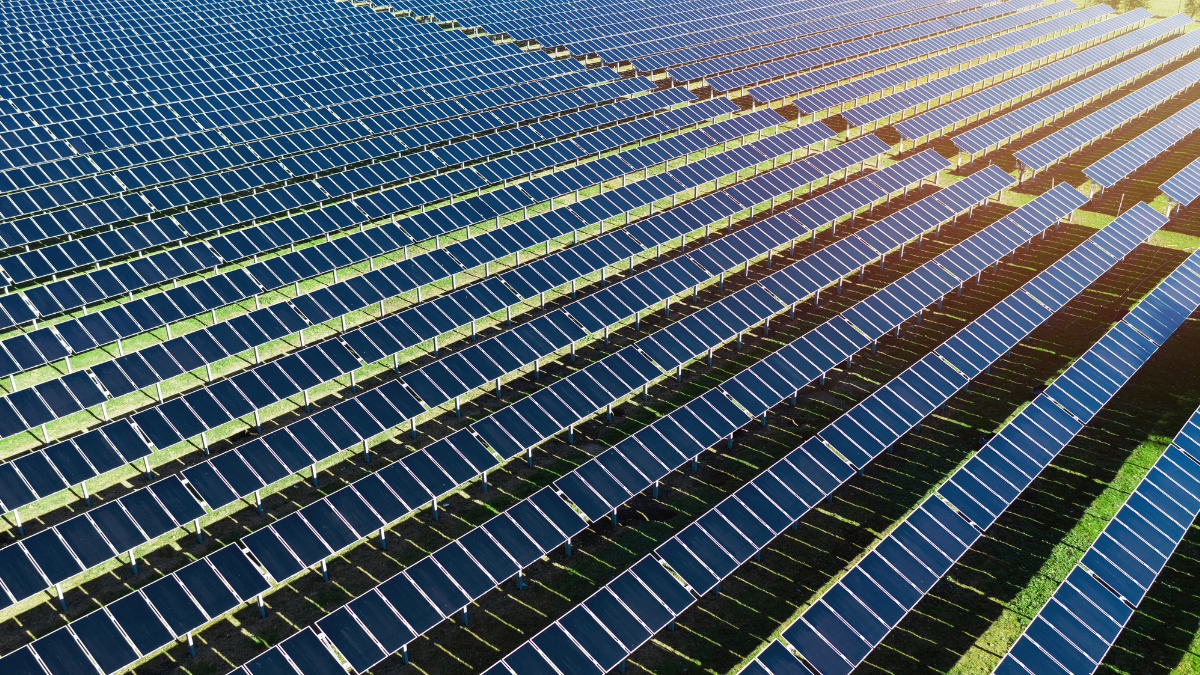
Kuwait is taking another major step in its clean energy transition as the country prepares to announce the winning bidder for its large-scale 1.1 GW solar power project in June 2026. The project combines the Al Dibdibah Power Project and the Al Shagaya Renewable Energy Project Phase III – Zone 1, and is expected to play a key role in strengthening Kuwait’s renewable energy capacity and reducing dependence on conventional fossil fuels.
The tender process for the project has been ongoing for several months. The Kuwait Authority for Partnership Projects (KAPP) first released the Request for Proposal in June 2025. Initially, developers were asked to submit their proposals by September 2025, but the deadline was later extended to January 2026. The extension was provided to allow companies more time to complete technical and financial preparations for the large-scale project.
At present, Kuwait’s authorities are reviewing the technical proposals submitted by the participating consortiums before moving ahead with the opening of financial bids. Reports suggest that out of the nine consortiums that were initially prequalified, three international groups remain in the final race. These groups are led by major renewable energy companies, including ACWA Power, Masdar, and EDF Renewables. The selected developer will be responsible for helping Kuwait expand its renewable energy infrastructure under a public-private partnership model.
The 1.1 GW solar project is part of Kuwait’s broader strategy to diversify its energy mix and improve energy security. Alongside this development, the Ministry of Electricity and Water is also moving ahead with additional renewable energy initiatives. The ministry is expected to conclude the bidding process for the second phase of the Shagaya expansion project, which is planned to add another 500 MW of renewable energy capacity.
Kuwait is also reviewing timelines for major integrated water and power projects, including Al Khairan Phase 1, with bid submission deadlines reportedly extended to late May 2026. These adjustments are aimed at ensuring better competition and stronger project proposals from developers.
The country’s renewable energy push comes as Kuwait continues to experience increasing electricity demand due to population growth and rising temperatures during the summer season. In recent years, the pressure on the national power grid has occasionally resulted in planned power cuts. Through these renewable projects, Kuwait aims to build a more reliable and sustainable electricity system while supporting its long-term target of achieving net-zero carbon emissions by 2060.
Subscribe to get the latest posts sent to your email.