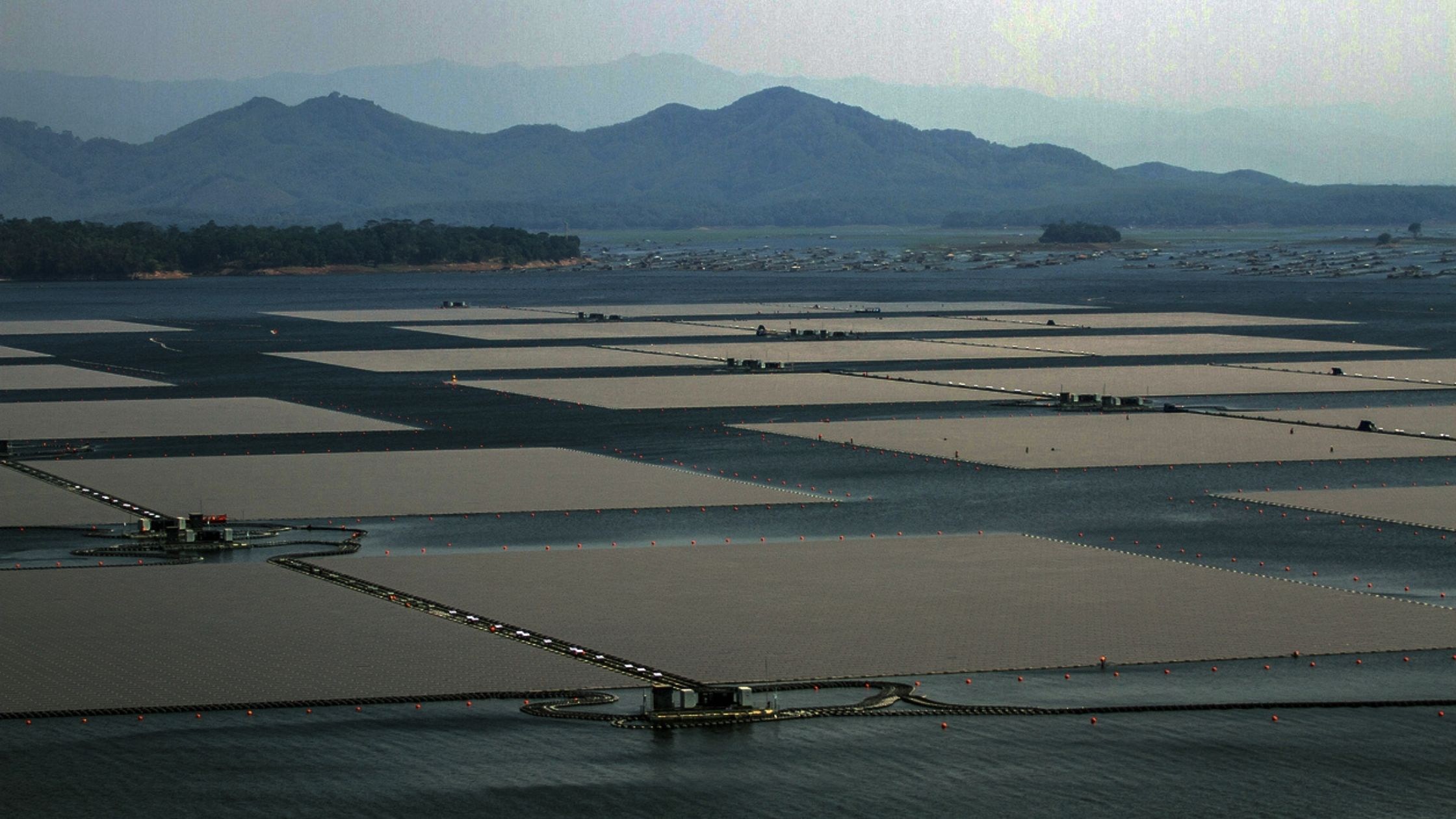
Renewable energy is increasingly emerging as a lower-cost alternative to coal-fired power generation in Indonesia, according to a new report by the Institute for Energy Economics and Financial Analysis (IEEFA), which calls for the country to adopt a dynamic least-cost approach in future electricity planning.
The report finds that rising coal, oil and gas costs, exchange-rate volatility and ageing power generation assets have weakened the historical cost advantage of fossil fuels. At the same time, declining renewable energy technology costs are improving the competitiveness of solar and wind generation.
IEEFA recommends that future revisions of Indonesia’s Electricity Supply Business Plan (RUPTL) consider current and projected generation costs, fuel price risks, financing conditions and regional differences in electricity economics rather than relying on historical assumptions about coal costs.
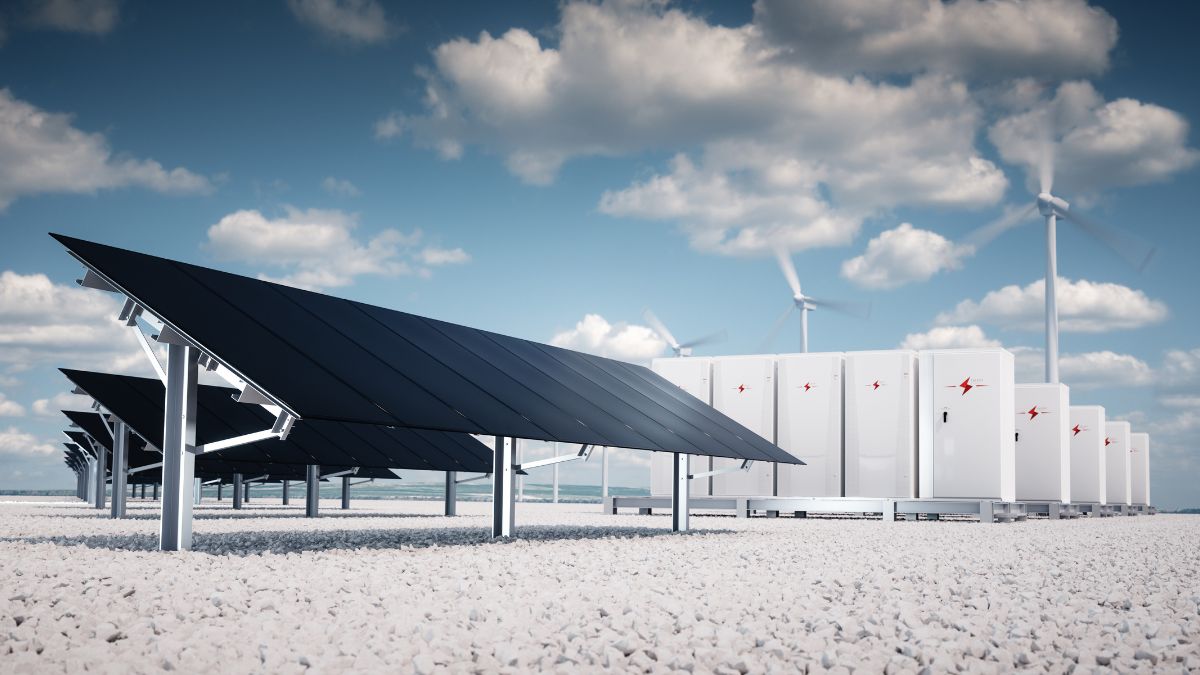
Solar and Wind Gain Cost Advantage Over Coal
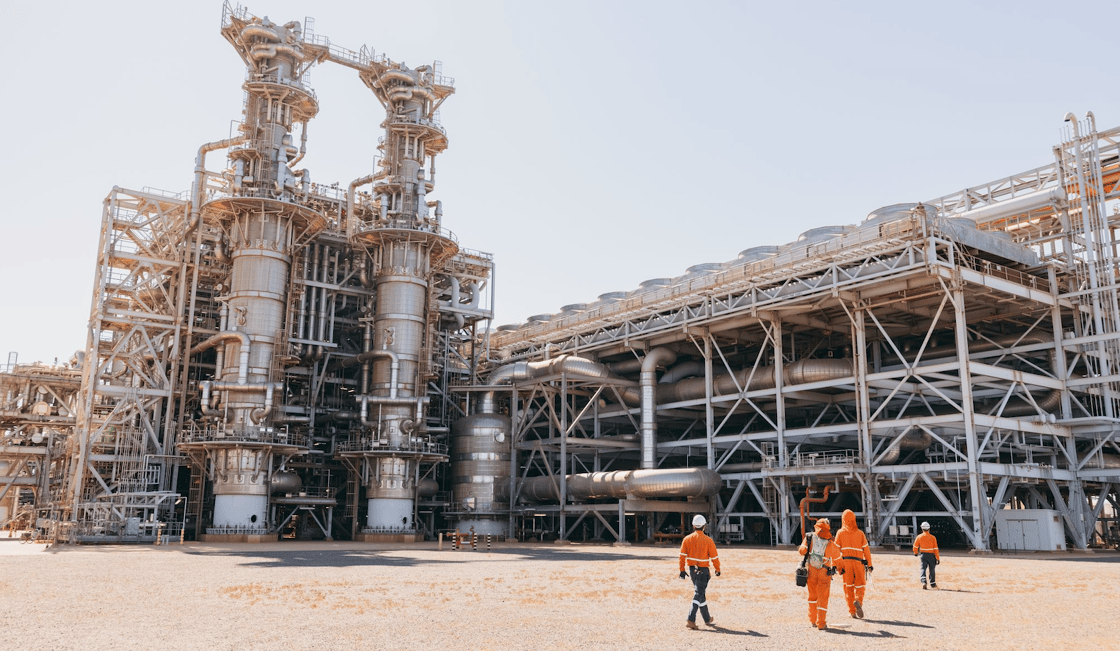
Coal-fired generation costs in Indonesia increased by 46%, from IDR637 per kilowatt-hour (kWh) in 2020 to IDR930/kWh in 2025. IEEFA estimates that the average cost could rise to approximately IDR1,060/kWh in 2026.
The report also highlights the impact of Indonesia’s Domestic Price Obligation (DPO) and Domestic Market Obligation (DMO) policies, which regulate domestic coal prices and can make coal-fired electricity appear more cost-competitive than it would be under market-based pricing.
Without the DPO, IEEFA estimates that coal generation would have cost approximately IDR1,455/kWh in 2025, compared with IDR930/kWh under the regulated pricing mechanism.
Based on levelized cost of electricity (LCOE), the report estimates coal generation at USD10.0–15.1 cents/kWh, compared with USD5.6–8.4 cents/kWh for utility-scale solar PV and USD6.8–10.3 cents/kWh for onshore wind. Gas-fired generation is estimated to be the most expensive option among the technologies assessed, at USD14.0–21.0 cents/kWh.
IEEFA estimates that utility-scale solar is approximately 44% cheaper than coal, while onshore wind is around 32% cheaper on an LCOE basis.
100 GW Solar Programme Could Support Least-Cost Planning
Indonesia’s 100 GW solar programme is identified in the report as a key opportunity to align national electricity planning with changing generation economics.
The programme was first announced by the Indonesian government in June 2025 and officially launched by President Prabowo Subianto on August 25, 2026. IEEFA recommends integrating the programme into future RUPTL revisions rather than treating it as a standalone renewable energy target.
According to the report, strategically deploying the planned solar capacity could help reduce electricity costs, strengthen energy security and accelerate Indonesia’s transition away from fossil fuel generation.
IEEFA also recommends the early retirement of inefficient fossil fuel plants, particularly coal-fired power plants, to free grid capacity for renewable energy, reduce subsidy requirements and support the deployment of the 100 GW solar programme.
Rising Subsidies Increase Financial Pressure
The changing economics of fossil fuel generation are also creating financial challenges for Indonesia’s national electricity utility, PT Perusahaan Listrik Negara (PLN), and the government.
In 2025, the average retail electricity tariff paid by consumers was approximately IDR1,112.69/kWh, while IEEFA estimates PLN’s average electricity generation cost, including business margin, at IDR1,785.64/kWh.
The resulting gap has been supported through government subsidies and compensation. These payments increased from IDR65.9 trillion in 2020 to approximately IDR200 trillion in 2025, according to the report.
IEEFA said competitive procurement and least-cost planning could help Indonesia diversify away from coal and gas while reducing long-term generation costs and easing financial pressure on PLN and the government.
Eastern Indonesia Offers Major Renewable Energy Opportunity
The report identifies Maluku, Papua, West Nusa Tenggara (NTB) and East Nusa Tenggara (NTT) as regions with some of Indonesia’s highest electricity generation costs.
While larger interconnected power systems in Java and Sumatra benefit from economies of scale, smaller and isolated systems in eastern Indonesia remain heavily dependent on expensive diesel generation.
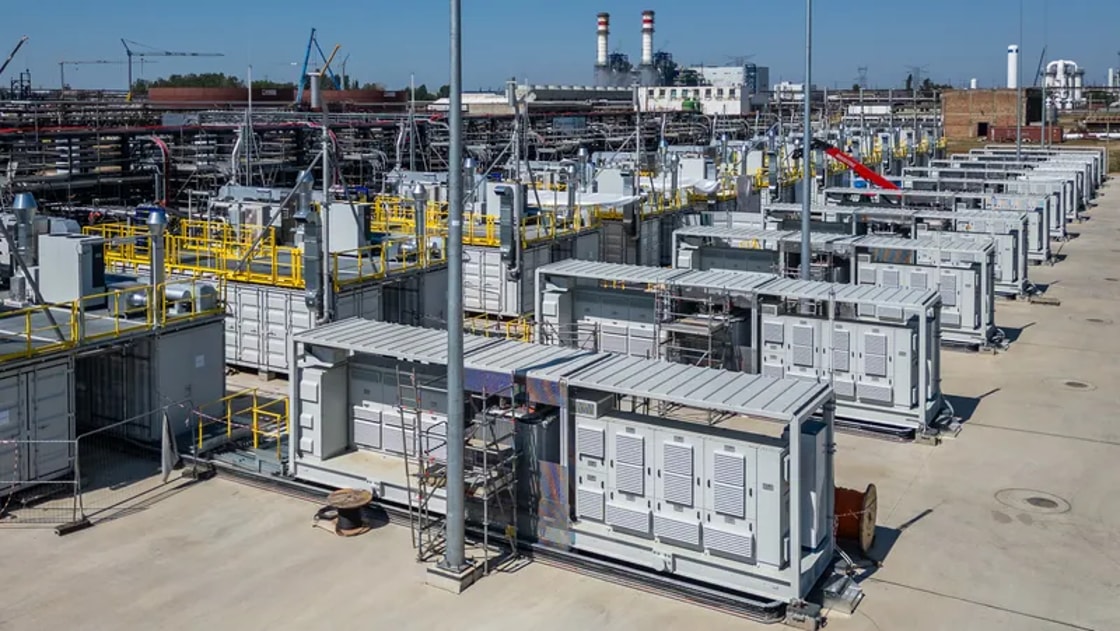
IEEFA finds that utility-scale solar combined with battery energy storage systems (BESS) can already provide electricity at a lower cost than diesel generation. Solar-plus-storage can also provide firm and dispatchable electricity, allowing it to replace diesel generation rather than simply reduce diesel consumption during daylight hours.
The report said prioritising diesel-dependent systems in eastern Indonesia could deliver lower generation costs, reduce fuel imports and improve energy security. It also recommended diversifying coal-heavy systems in western Indonesia.
RUPTL Sets Renewable Energy Expansion Framework
Indonesia’s RUPTL 2025–2034 represents a significant step in the country’s electricity transition, targeting 42.6 GW of renewable energy capacity and 10.3 GW of energy storage by 2034.
According to IEEFA, planned investment in transmission infrastructure alongside renewable energy deployment could provide a foundation for meeting rising electricity demand while improving the economics of the power system.
The report recommends that future electricity planning prioritise high-cost regions where renewable energy and storage can deliver the greatest savings, while strengthening private sector participation through bankable power purchase agreements (PPAs), transparent procurement processes and greater regulatory certainty.
IEEFA said aligning Indonesia’s electricity planning with current and projected generation economics could accelerate renewable energy deployment, reduce system costs, improve energy security and lower exposure to fuel price and exchange-rate volatility.
Subscribe to get the latest posts sent to your email.