The Rajasthan Electricity Regulatory Commission (RERC) has issued the “Terms and Conditions for Determination of Tariff” Regulations, 2025. The Commission invited public comments by publishing a draft regulation on its website and in major newspapers on November 23, 2024. The last date for submitting comments was December 23, 2024, and a public hearing was held on December 27, 2024. Stakeholders, including power companies, industry representatives, and consumer groups, participated in the discussion, and their inputs were reviewed before finalizing the regulations.
The regulations outline the process for determining electricity tariffs in Rajasthan and introduce several amendments based on stakeholder feedback. One major concern raised was that once the Multi-Year Tariff (MYT) is finalized, fundamental changes should not be allowed during the MYT period. Some stakeholders requested that the regulations be published in Hindi for better accessibility. Definitions of key terms such as “additional capital expenditure,” “availability,” and “change in law” were revised for clarity.
The regulations also address auxiliary energy consumption in power generation. Stakeholders suggested modifying the formula for calculating availability to include energy used for emission control systems. Suggestions were also made to include independent verification of availability and ensure that tariff adjustments do not lead to sudden price shocks for consumers.
Concerns about fuel supply agreements and cost calculations were raised, with recommendations to ensure transparency in pricing. Some stakeholders proposed that operational and maintenance expenses for power plants should be revised in line with inflation, employee costs, and technological advancements. The need for a structured depreciation policy and interest rate adjustments on working capital loans was also discussed.
Regarding consumer tariffs, the regulations introduce a mechanism for sharing savings on controllable costs. Some stakeholders suggested that if a power company reduces expenses below the approved level, the benefits should be shared between the company and consumers. Others argued that tariffs should be reviewed mid-term if financial conditions change significantly.
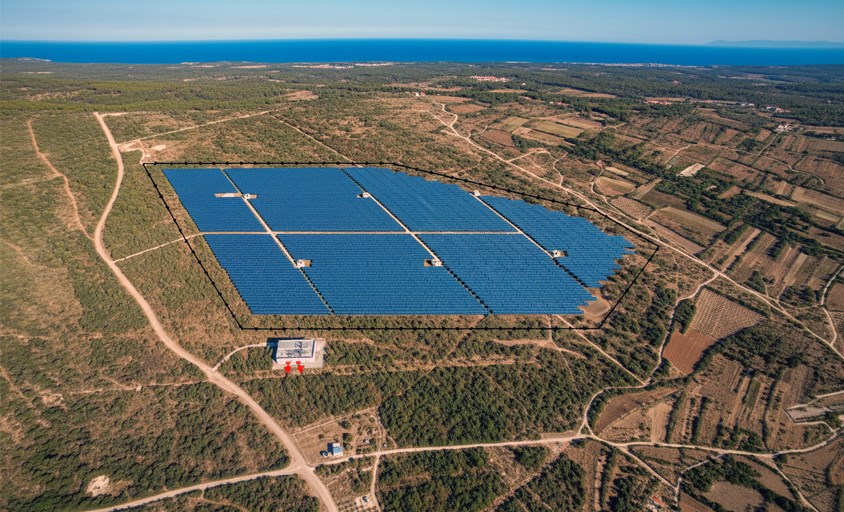
Renewable energy and clean energy mechanisms were also considered. Stakeholders recommended promoting distributed solar power and aligning state policies with national renewable energy goals. The regulations include guidelines for determining tariffs for wind and solar projects and outline incentives for green energy adoption.
The issue of late payment surcharges was discussed, with some stakeholders requesting a fixed interest rate instead of an escalating penalty. Distribution companies argued that rebates for timely payments should be maintained to encourage financial discipline.
Transparency in tariff determination was another major focus. Stakeholders recommended publishing tariff petitions in multiple newspapers and providing clear information to consumers through SMS and mobile apps. Public participation in tariff-setting processes was encouraged, with suggestions to conduct hybrid (online and offline) public hearings.
The RERC regulations also define the debt-equity ratio for power projects, return on equity, and tax adjustments. Some stakeholders proposed linking returns to performance metrics such as grid reliability and efficiency improvements.
By incorporating these amendments, RERC aims to create a balanced tariff structure that protects consumer interests while ensuring fair returns for power producers and distribution companies. The finalized regulations will serve as the foundation for electricity pricing in Rajasthan, supporting economic growth and sustainability.